
Pull to refresh
Logo
The Alexandria Files for Liquor License at San Diego's Campus Point Megacampus

The Alexandria Files for Liquor License at San Diego's Campus Point Megacampus

Built World San Diego, CA local

Destination restaurant moves toward opening at the 95%-occupied life science hub

Today: The Alexandria applies for ABC license

Overview

Updated 1 hour ago

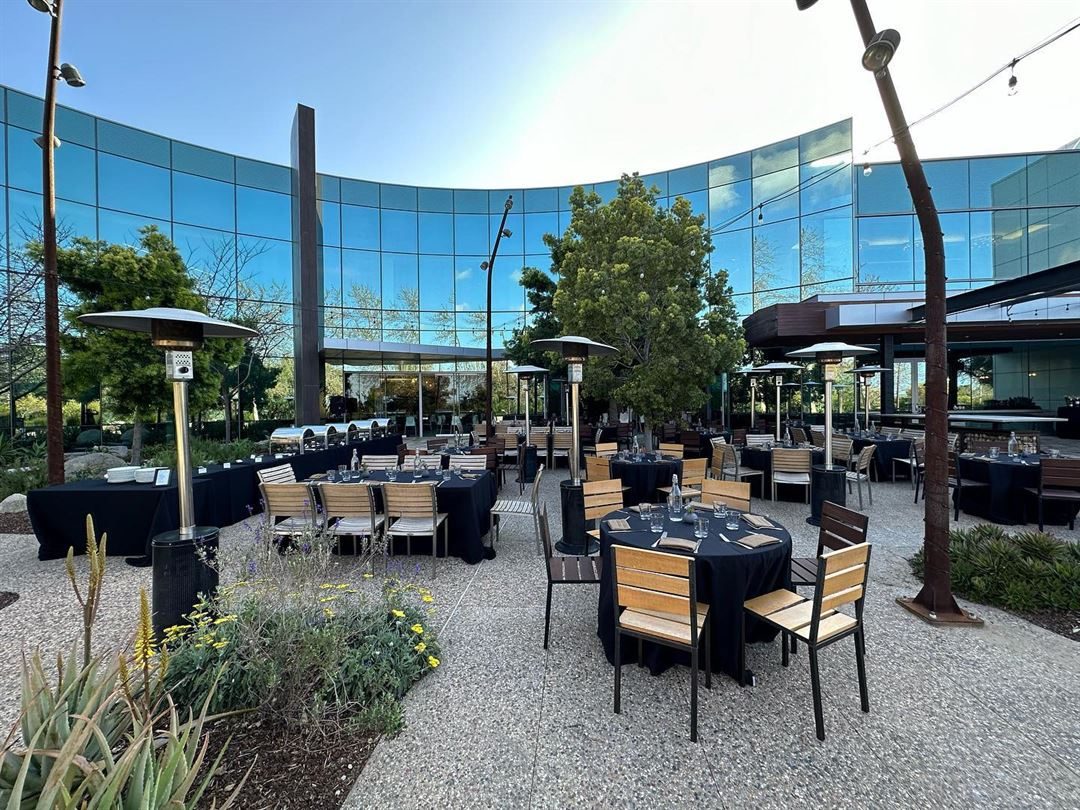
A venue called The Alexandria at 4150 Campus Point Court in San Diego applied for a California liquor license. The application appeared on the state's ABC licensing list on September 18, 2026.

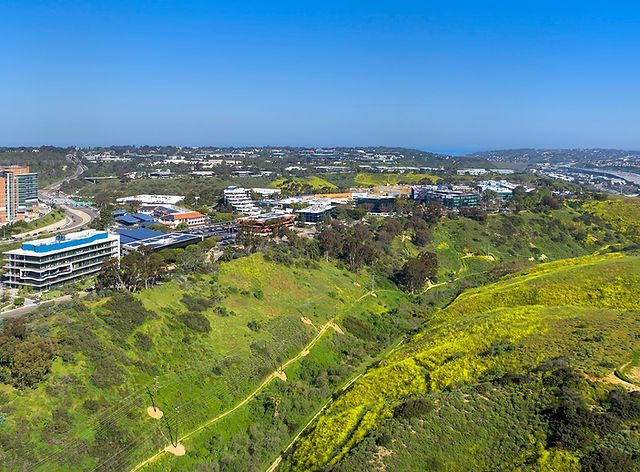
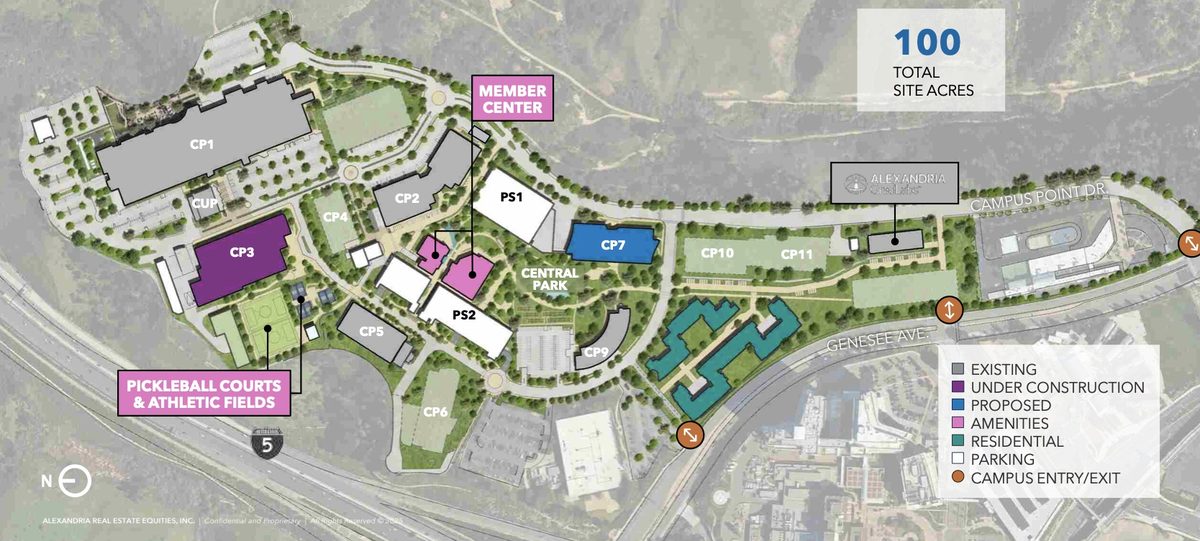
The Alexandria is the destination restaurant slot in Campus Point by Alexandria, a 2.9-million-square-foot life science megacampus that sits 95.4% occupied with anchors like Bristol Myers Squibb and Novartis. Its opening marks when a lab campus stops being a construction project and starts being a place people stay after work.

Why it matters

If The Alexandria succeeds, expect more life science campuses to build destination restaurants into their plans. If it fails, expect lab-only designs.

Questions about this story

Free account needed to ask — your question is kept and asked for you right after sign-up. Answers are public.

No questions yet — be the first to ask.

Key Indicators

95.4%
Campus Point occupancy
Occupied as of March 31, 2026
$1.1B
Novartis investment
Announced for a new Novartis headquarters at Campus Point
$20.44B
Alexandria market cap
Total market capitalization as of March 31, 2026

Voices

Curated perspectives — historical figures and your fellow readers.

Ever wondered what historical figures would say about today's headlines?

Sign up to generate historical perspectives on this story.

People Involved

Organizations Involved

Timeline

April 2022 September 2026

4 events Latest: Today
Tap a bar to jump to that date
  1. Alexandria delivers 427,000 RSF BMS hub

    Milestone

    Alexandria delivered Bristol Myers Squibb's 427,000-square-foot R&D hub at Campus Point, reaching 95.4% campus occupancy.

  2. Campus Point redevelopment tracked for 2027 completion

    Milestone

    BuildSD listed the project as under construction with 1.2 million square feet of office space and 2027 completion target.

  3. Leidos breaks ground at Campus Point

    Construction

    Leidos held groundbreaking for a new 400-seat research facility at Campus Point, developed by Alexandria Real Estate.

Scenarios

1

The Alexandria Opens for Business

Likely Resolves by Q1 2027

Discussed by: Not formally discussed; based on standard ABC review timelines for restaurant licenses in San Diego County

The state approves the ABC application without protest. Standard review for a restaurant license runs two to four months. The Alexandria opens and becomes the campus's flagship hospitality anchor, serving the daytime lab workforce and booking evening events.

2

License Delayed, Opening Pushed Into 2027

Possible Resolves by Q2 2027

Discussed by: San Diego ABC field offices' history of processing backlogs

The application faces review delays, community protest, or documentation issues. The Alexandria's opening slips from late 2026 into mid-2027, leaving Campus Point without its destination restaurant during the current construction wind-down.

3

The Alexandria Opens, Fails to Draw Crowds

Uncertain Resolves by Q2 2028

Discussed by: San Diego commercial real estate analysts watching amenity demand at lab campuses

The venue opens but the life science workforce leaves after 6 p.m. and weekends lack foot traffic. Within its first year, The Alexandria reduces hours, changes format, or closes. This tests whether amenitized lab campuses can sustain destination hospitality beyond weekday lunches.

Historical Context

2 moments from history that rhyme with this story — and how they unfolded.

1980s-2010s

Kendall Square Life Science Cluster (1980s-2010s)

MIT's underused land near Kendall Square in Cambridge became the anchor of the world's largest life science cluster. By 2020, 300+ biotech companies operated there, drawn by MIT's research output and the density of startups, VCs, and pharma outposts.

Then

Early lab construction in the 1990s drew Genzyme and Amgen; restaurants and housing followed slowly, becoming central to the district's appeal by the 2010s.

Now

Kendall Square set the benchmark for life science clustering — a cycle where lab density draws talent, which draws amenities, which draws more companies.

Why this matters now

Campus Point is Alexandria's attempt to compress that cycle — building lab space and amenities in a single megacampus rather than letting them emerge organically over decades.

2000s-2010s

UCSF Mission Bay (2000s)

UCSF built a 43-acre campus on former rail yards in San Francisco's Mission Bay, deliberately mixing research labs with housing, retail, and public space. Genentech built a 1.1-million-square-foot research center there.

Then

The campus opened in phases starting 2003; housing towers and neighborhood restaurants followed, and by 2015 Mission Bay was a thriving mixed-use district.

Now

Mission Bay became the second-largest life science cluster in the Bay Area, demonstrating that purpose-built campuses with amenities sustain long-term growth.

Why this matters now

The same principle — labs plus amenities from day one — drives Alexandria's Campus Point plan, where The Alexandria restaurant is the hospitality anchor.

Sources

(4)