
Pull to refresh
Logo
Alexandria sells Fenway lab tower before completion

Alexandria sells Fenway lab tower before completion

Money Moves Boston, MA local

Life science landlord's retreat from Boston's lab boom continues

Overview

Updated 2 hours ago

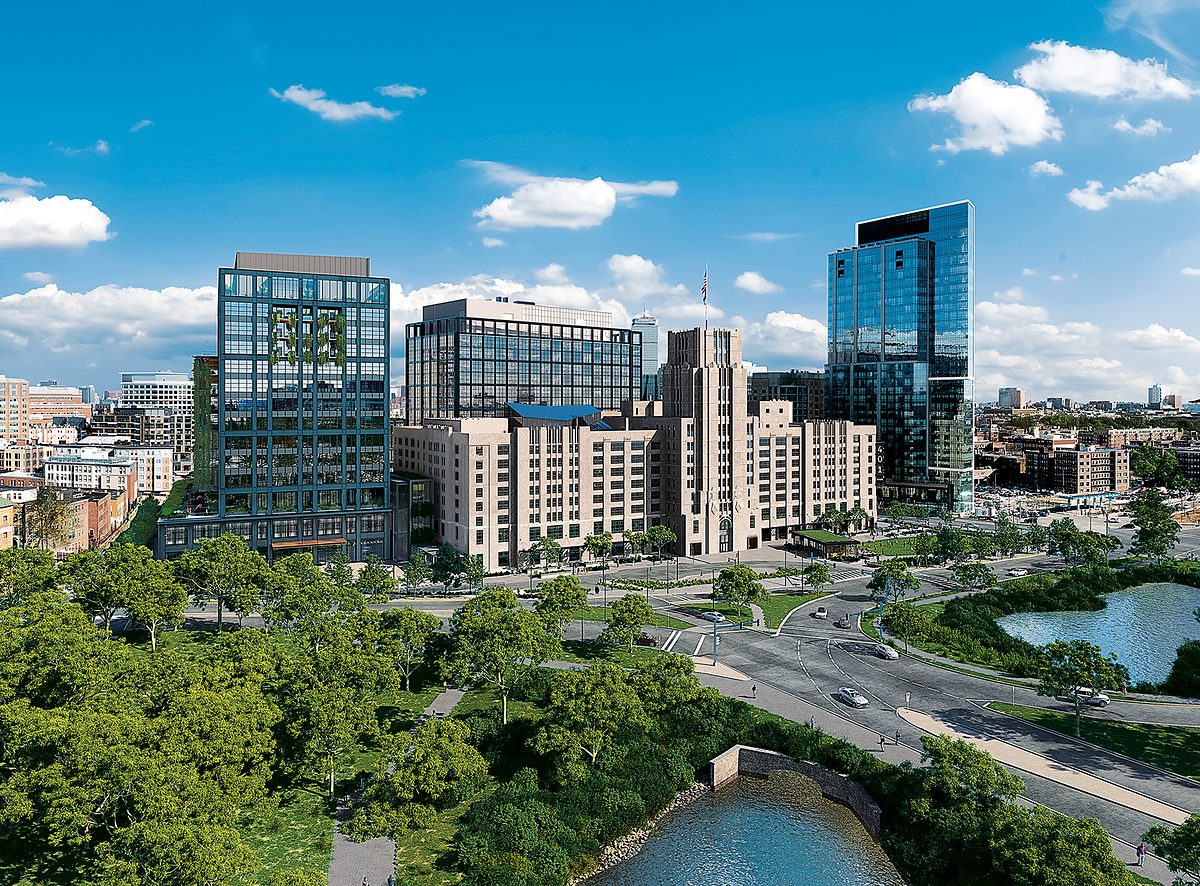
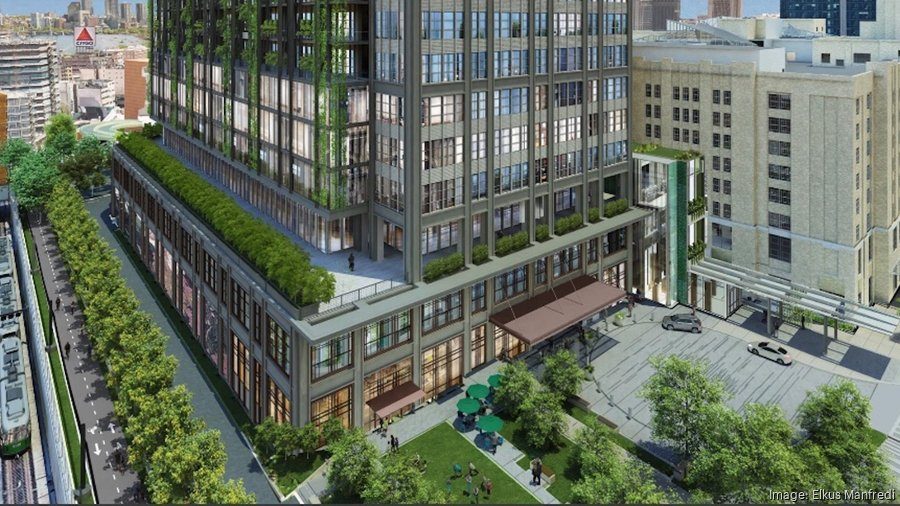
Alexandria Real Estate Equities, the nation's largest life science landlord, has agreed to sell its 421 Park Drive lab tower in Boston's Fenway before construction wraps up. The deal saves the company roughly $136 million and continues a broad asset sell-off begun as lab demand slumped.

The company reported a $1.1 billion net loss in the fourth quarter of 2025. Executives announced in January they planned to divest another $2.9 billion in properties, reversing a boom when Alexandria created the Fenway life science campus in 2021.

Why it matters

Alexandria's Fenway retreat signals the end of a life science building boom, with billions in lab projects at risk.

Monday: what changed in Boston, MA

One short email a week with the openings, closings, permits and council votes we covered. Free. Unsubscribe in one click.

Questions about this story

Free account needed to ask — your question is kept and asked for you right after sign-up. Answers are public.

No questions yet — be the first to ask.

Key Indicators

$136M
Estimated savings from pre-completion sale
Amount Alexandria saves by selling 421 Park Drive before finishing construction.
$2.9B
Additional divestiture target
Properties Alexandria plans to sell beyond 421 Park Drive, announced January 2026.
$1.1B
Net loss, Q4 2025
Alexandria's quarterly loss despite selling 26 properties for $1.5 billion.
392,000 SF
Lab space at 421 Park Drive
Square feet of leasable lab space in the tower now being sold.

Voices

Curated perspectives — historical figures and your fellow readers.

Sign up to generate historical perspectives on this story.

People Involved

Organizations Involved

Timeline

June 2021 October 2026

4 events Latest: Today
Tap a bar to jump to that date
  1. Alexandria agrees to sell 421 Park Drive

    Today Transaction

    The REIT agrees to sell the 392,000 square foot lab tower before completion, saving about $136 million in construction costs.

  2. Alexandria drops lab conversion for 401 Park

    Strategic Shift

    Executives announce the 401 Park Drive building will be leased as office, not labs, and plan to divest $2.9 billion in properties.

  3. Boston Children's buys 421 Park space

    Transaction

    Alexandria sells 268,000 square feet of 421 Park Drive to Boston Children's Hospital for $155 million, committing 48.5% of the building.

  4. Alexandria creates Fenway life science campus

    Development

    Alexandria launches the Alexandria Center for Life Science – Fenway, a 2 million square foot mega campus developed with Samuels & Associates.

Scenarios

1

Alexandria closes 421 Park sale, trims debt

Likely Resolves by Q1 2027

Discussed by: Banker & Tradesman; company filings

Alexandria completes the 421 Park Drive sale, using proceeds to reduce borrowings. The REIT continues selling assets from its $2.9 billion divestiture pipeline through 2027, with further Boston-area properties hitting the market.

2

Sale collapses, construction stalls

Unlikely Resolves by Q1 2027

Discussed by: Investors tracking the life science downturn

The buyer walks away or financing falls through. Alexandria stops work on the partially built tower and takes another impairment charge, adding to its $1.1 billion quarterly loss.

3

Alexandria expands sell-offs beyond $2.9B

Possible Resolves by Q2 2027

Discussed by: Real estate analysts covering life science leasing

Weak demand pushes Alexandria to sell more Boston-area properties than planned. Additional Fenway and Longwood Medical Area properties are marketed for sale, shrinking the company's footprint further.

Historical Context

2 moments from history that rhyme with this story — and how they unfolded.

June 2008 - 2010

Financial Crisis Commercial Real Estate Sell-Off (2008-2010)

Commercial property values fell roughly 40% from their 2007 peak. REITs including Mack-Cali and Vornado sold buildings at steep discounts to service debt and shore up balance sheets.

Then

Landlords took large writedowns and unloaded properties at distress prices.

Now

The market took years to recover. Firms that sold early survived; others were forced into bankruptcy.

Why this matters now

Shows how a major landlord's asset sales in a downturn can signal industry-wide distress and reshape markets.

March 2001 - 2003

Dot-Com Bust Office Space Glut (2001-2003)

When the dot-com bubble burst, tech companies shed millions of square feet of office space. Vacancy in Boston's suburbs hit record highs, and landlords offered concessions to attract tenants.

Then

Landlords cut rents and repurposed buildings.

Now

The market recovered as biotech companies absorbed some of the vacant space, a predecessor to today's life science boom.

Why this matters now

A prior tech-driven bust that forced landlords to repurpose buildings, similar to today's life science slump.

Sources

(4)