

Pull to refresh
Logo
SFUSD board votes to replace school lottery with neighborhood schools

SFUSD board votes to replace school lottery with neighborhood schools

Rule Changes San Francisco, CA local

5-2 vote guarantees neighborhood seats, limits choice to citywide programs

3 days ago: Board votes 5-2 for neighborhood schools

Overview

Updated Yesterday

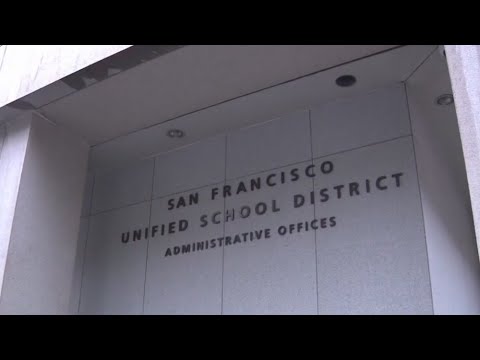
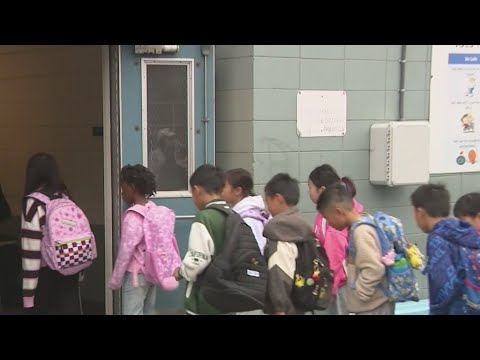
San Francisco's school board voted 5-2 on October 13 to replace the city's school assignment lottery with neighborhood schools, ending a system that has shaped family life in the city since 2011. Every family will be guaranteed a seat at their neighborhood elementary school, even if they apply late, but can apply elsewhere only to citywide programs like language immersion and special education.

The vote is the most consequential school policy decision in San Francisco in years, and it split the coalition that had long agreed the lottery had to go. Superintendent Maria Su pushed the board toward the more restrictive Option C, arguing that any remaining choice would preserve the status quo. Critics warn neighborhood schools will be segregated by definition, given the city's housing patterns shaped by historic zoning laws.

Why it matters

The end of school choice in San Francisco could push more families out of the district before neighborhood schools improve, deepening the enrollment crisis.

Monday: what changed in San Francisco, CA

One short email a week with the openings, closings, permits and council votes we covered. Free. Unsubscribe in one click.

Questions about this story

Free account needed to ask — your question is kept and asked for you right after sign-up. Answers are public.

No questions yet — be the first to ask.

Key Indicators

5-2
Board vote for neighborhood schools
Board voted 5-2 for Option C over the more flexible Option B.
50,000
Current SFUSD enrollment
Down from more than 60,000 students in recent years.
2011
Year lottery was established
Citywide choice lottery has been in place since 2011.
2028-29
School year new system takes effect
Families apply under the new system in fall 2027.

Voices

Curated perspectives — historical figures and your fellow readers.

Ever wondered what historical figures would say about today's headlines?

Sign up to generate historical perspectives on this story.

People Involved

Organizations Involved

Timeline

2011 April 2027

8 events Latest: 3 days ago
Tap a bar to jump to that date
  1. Final policy vote scheduled

    Upcoming Policy

    Board scheduled to adopt the final policy with attendance boundaries and program decisions.

  2. Board votes 5-2 for neighborhood schools

    Latest Policy

    Board chooses Option C, guaranteeing neighborhood seats and limiting choice to citywide programs.

  3. Board narrows options from 3 to 2

    Policy

    Board eliminates Option A, a small-zone guarantee.

  4. Su's revised timeline revealed via Chronicle

    Controversy

    Board members learn about Su's revised overhaul timeline from the newspaper.

  5. Maria Su becomes superintendent

    Leadership

    Su takes over as SFUSD superintendent.

  6. Matt Wayne resigns as superintendent

    Leadership

    Wayne resigns after the district released a school closure list without board sign-off.

  7. District begins efforts to replace lottery

    Policy

    SFUSD starts working on replacing the assignment system.

  8. Citywide choice lottery established

    Policy

    SFUSD begins assigning elementary students through a citywide lottery based on ranked preferences.

Scenarios

1

Board adopts final neighborhood school policy in April 2027

Likely Resolves by Apr 14, 2027

Discussed by: The Standard, Mission Local

The board follows through on its October vote, adopting a final policy on April 13, 2027 that includes new attendance boundaries and program locations. The district continues community engagement through three public study sessions. Families apply under the new system in fall 2027, and it takes effect for students entering school in August 2028.

2

Policy stalls amid community opposition and legal challenges

Possible Resolves by Apr 14, 2027

Discussed by: Mission Local commenters, parent advocates

Parent groups like SF Parents organize opposition, and commissioners face political pressure ahead of the November election. The board delays the April 2027 vote or significantly modifies the policy in response to community concerns. Legal challenges could also emerge over the segregation implications of neighborhood schools.

3

Board reverses course after parent backlash

Unlikely Resolves by Apr 14, 2027

Discussed by: SF Parents blog post

Organized parent opposition, combined with the November 2026 election results, leads the board to reconsider. A new board majority votes to revisit the October decision, potentially restoring a version of school choice. This would require a new motion and a new vote.

Historical Context

2 moments from history that rhyme with this story — and how they unfolded.

2013-2014

Boston's school assignment overhaul (2013-2014)

Boston Public Schools replaced its citywide choice lottery with a zone-based system after a two-year community process. The new system guaranteed students a seat in one of three to five schools in their zone, reducing commuting distances.

Then

The change was implemented in 2014-15. It reduced travel times for many students.

Now

Boston's experience shows both the appeal and the limits of moving from citywide choice to proximity-based assignment.

Why this matters now

Boston faced the same trade-off San Francisco is now making: predictability and neighborhood cohesion versus the flexibility of citywide choice.

February 2022

SFUSD school board recall (2022)

Three SFUSD board members were recalled amid parent anger over school closure plans and COVID-era policies. The recall succeeded, reshaping the board.

Then

New board members were appointed, and the district's approach to school closures and enrollment changed.

Now

The recall signaled that San Francisco parents would hold board members accountable for unpopular decisions.

Why this matters now

The current board's 5-2 vote could face similar political backlash, especially from organized parent groups like SF Parents.

Sources

(4)