
Pull to refresh
Logo
Tenderloin theater district gets $500,000 arts activation pilot

Tenderloin theater district gets $500,000 arts activation pilot

Money Moves San Francisco, CA local

Public-private funding targets vacant storefronts and street life on the 900 block of Market Street

Today: $500,000 theater district pilot announced

Overview

Updated 1 hour ago

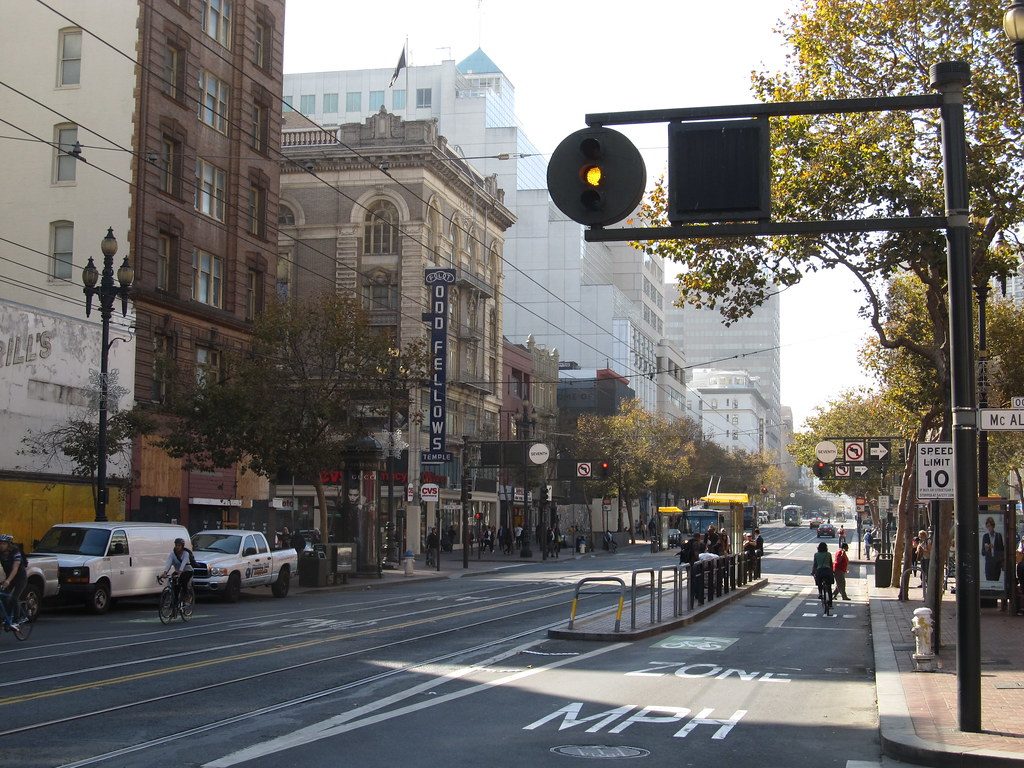
San Francisco officials and business leaders announced a $500,000 investment on Thursday to turn the 900 block of Market Street into a lively arts and theater district. The 12-month pilot will fund public art, interactive lighting, and subsidized leases to fill vacant storefronts with cultural spaces.

The money comes from the Downtown Development Corporation, a nonprofit founded by Mayor Daniel Lurie's allies in 2025, Ripple Labs co-founder Chris Larsen, and Proper Hotel Group. Supervisor Bilal Mahmood called it the first downtown revitalization investment to reach west of Powell Street into the Tenderloin.

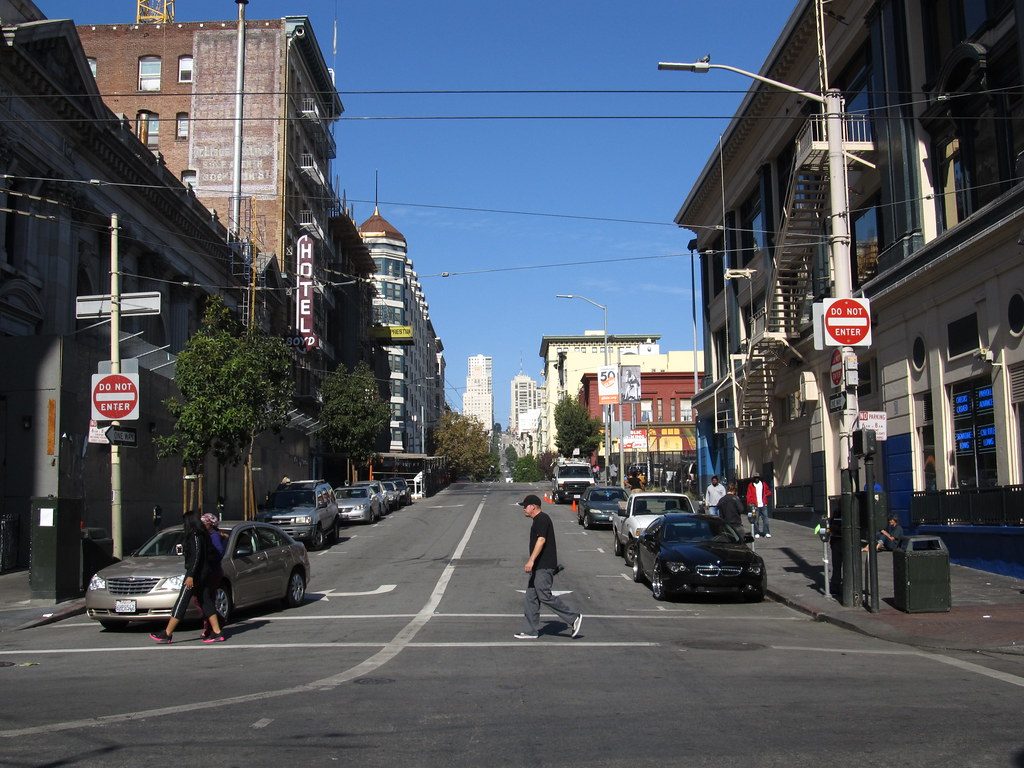
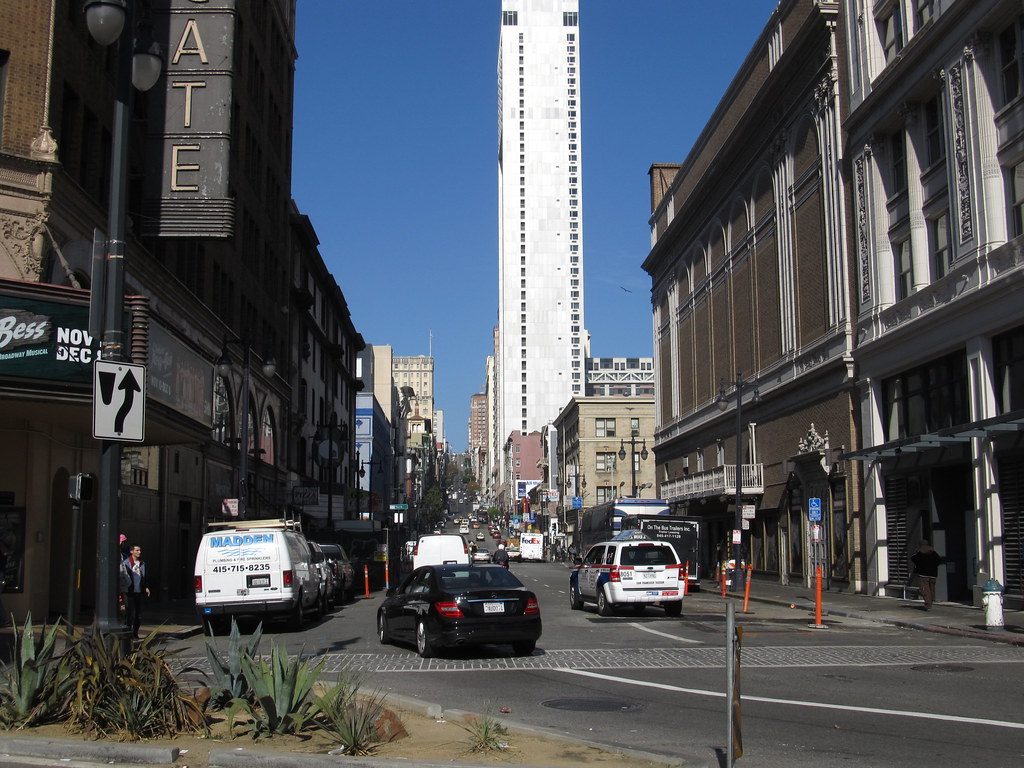
The project is a test of whether arts activation can revive a neighborhood long associated with open-air drug markets and street crime. But the district already draws a million visitors a year to venues like the Golden Gate Theatre, the Warfield, and the Orpheum.

Why it matters

If this pilot works, it could shift how San Francisco spends on downtown recovery—from public safety enforcement toward cultural activation, and prove whether a $50 billion tech capital can revive its urban core.

Monday: what changed in San Francisco, CA

One short email a week with the openings, closings, permits and council votes we covered. Free. Unsubscribe in one click.

Questions about this story

Free account needed to ask — your question is kept and asked for you right after sign-up. Answers are public.

No questions yet — be the first to ask.

Key Indicators

$500,000
Initial seed funding
Committed by the Downtown Development Corporation, Chris Larsen, and Proper Hotel Group for a 12-month pilot.
15,000
Live performance seats
Total seats across the Strand, Golden Gate, Bill Graham Civic Auditorium, Orpheum, and the Warfield.
1 million
Annual visitors to the district
Estimated yearly visitors to the theater district, according to Supervisor Mahmood.
50+
Events at inaugural festival
The Market Street Arts & Theater Festival on Oct. 17 will feature more than 50 experiences across six blocks.
$1 billion
Projected annual revenue potential
Mahmood's estimate of what a fully active theater district could bring to the city annually.

Voices

Curated perspectives — historical figures and your fellow readers.

Ever wondered what historical figures would say about today's headlines?

Sign up to generate historical perspectives on this story.

People Involved

Organizations Involved

Timeline

December 2021 October 2026

5 events Latest: Today
Tap a bar to jump to that date
  1. Inaugural Market Street Arts & Theater Festival

    Upcoming Event

    The Mid-Market Foundation hosts a festival with over 50 arts and entertainment experiences across six blocks of Mid-Market, showcasing the district's potential.

  2. $500,000 theater district pilot announced

    Today Funding

    Supervisor Mahmood and the Mid-Market Business Association unveiled a 12-month pilot for the 900 block of Market Street, funded by the Downtown Development Corporation, Chris Larsen, and Proper Hotel Group.

  3. Downtown Development Corporation founded

    Organizational

    Allies of Mayor Daniel Lurie created a nonprofit to channel private investment into downtown revitalization.

  4. Breed allocates $4 million for Tenderloin community projects

    Funding

    The allocation funded community-sponsored projects including small business support, youth services, and public space improvements.

  5. Mayor declares State of Emergency in Tenderloin

    Policy

    Mayor London Breed declared a 90-day State of Emergency to address health and safety conditions, leading to the Tenderloin Emergency Initiative.

Scenarios

1

Pilot Proves the Model, District Expands West

Possible Resolves by Oct 15, 2027

Discussed by: Supervisor Mahmood, Mid-Market Business Association

The 12-month pilot succeeds in filling vacant storefronts with cultural tenants, drawing increased foot traffic, and reducing public safety incidents. Success triggers additional funding from the Downtown Development Corporation and other private investors to expand the district's boundaries further into the Tenderloin, creating a self-sustaining arts economy.

2

Pilot Stalls, Funding Ends After 12 Months

Likely Resolves by Oct 15, 2027

Discussed by: Mission Local reader comments, skeptical observers

The pilot fails to overcome the fundamental challenges: high rents, large floor plans, and street conditions deter tenants. The storefronts remain vacant after the pilot concludes, and the $500,000 is spent on temporary art installations that do not create lasting economic change. The Downtown Development Corporation redirects its remaining capital to other downtown projects.

3

Public Safety Crisis Interrupts Revitalization

Unlikely Resolves by Apr 15, 2027

Discussed by: KQED reporting on Tenderloin conditions

A major public safety incident or a spike in open-air drug activity near the 900 block scares off potential tenants and visitors. The pilot continues but fails to attract the critical mass of foot traffic needed, and the district's recovery is set back. City attention shifts back to enforcement-focused strategies.

Historical Context

2 moments from history that rhyme with this story — and how they unfolded.

1980s-1990s

Yerba Buena Center / SoMa Arts District (1980s-1990s)

San Francisco invested in a major arts complex, including the Museum of Modern Art and the Yerba Buena Center for the Arts, to turn a blighted, largely vacant area south of Market Street into a cultural destination. The city used redevelopment agency powers to assemble land and subsidize development.

Then

The district attracted national attention, new museums, and residential and hotel development, transforming SoMa's eastern edge.

Now

It created a model for using arts as an anchor for urban revitalization—and a cautionary tale, as some critics argued it displaced existing communities and prioritized tourists over locals.

Why this matters now

The current pilot is a smaller, less government-directed version of this approach, relying on private capital and tenant subsidies rather than redevelopment agency power, and targeting an area that has not yet seen the benefits of the earlier boom.

1990s

Times Square / 42nd Street Revitalization (1990s)

New York City used a combination of zoning changes, eminent domain, and public-private partnerships to clear adult businesses and attract family-friendly entertainment, retail, and corporate headquarters to a theater district that had become a symbol of urban decay. The 42nd Street Development Project was the centerpiece.

Then

Crime dropped, property values soared, and Times Square became a global tourist destination.

Now

The district's theaters benefited from increased visitors, but the effort was criticized for corporate homogenization and the displacement of the area's edgier character.

Why this matters now

Mahmood and others explicitly reference Broadway's success as the target model. The Tenderloin project is a low-cost attempt to replicate the 'theater district as economic engine' effect without the massive public investment and governmental powers New York used.

Sources

(3)