
Madison school board weighs redrawn attendance boundaries as enrollment shifts
Rule Changes Madison, WI localDistrict aims to balance utilization, expand full-day 4K, and cut non-contiguous zones
6 days ago: MMSD board retreat reviews data and draft boundary scenariosNew here? Follow stories to track developments over time. Create a free account to get updates when stories you care about change.
Overview
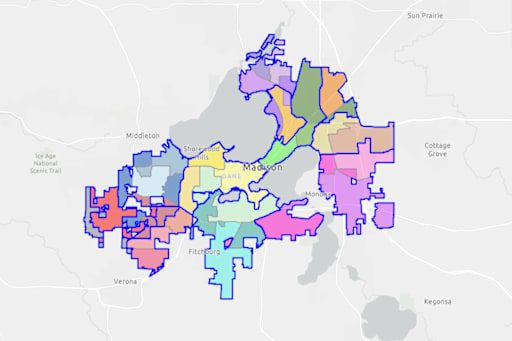
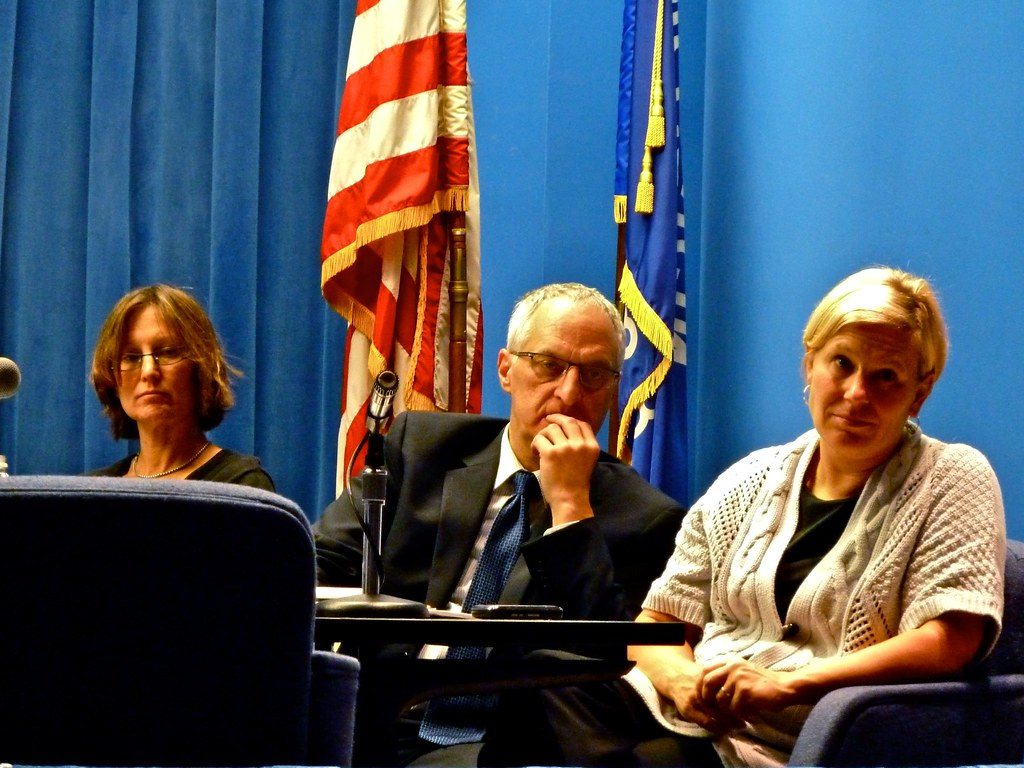
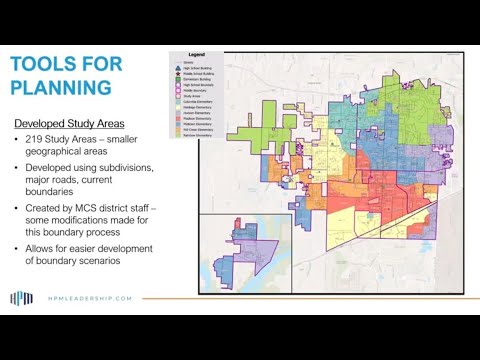
Updated 57 minutes agoThousands of Madison families could see their children's school assignments change as the district pushes forward with a two-year boundary review. At an August 28 board retreat, administrators presented draft attendance-area scenarios—the product of a year of data gathering—and readied them for a second round of community feedback.
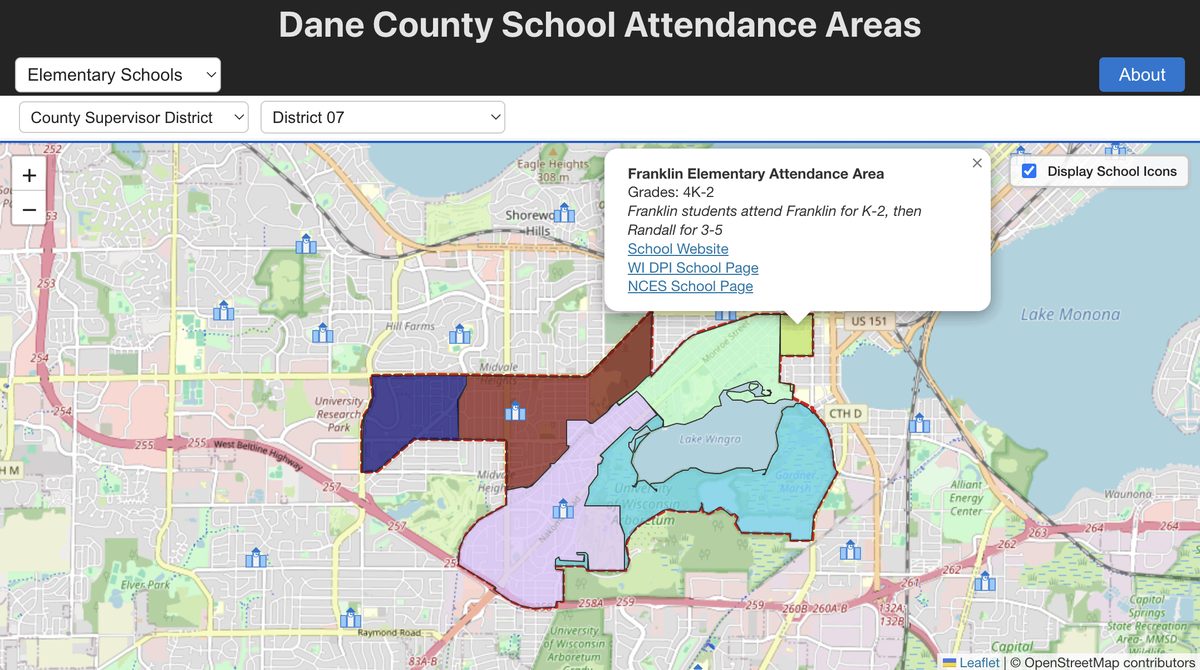
The goals are concrete: balance enrollment across schools as the city grows, expand full-day 4-year-old kindergarten, and eliminate attendance areas that are non-contiguous—islands separated by other schools' zones. The board has yet to vote, but the scenarios will shape which schools thousands of students attend and how the district invests in facilities.
Why it matters
If adopted, these boundaries will reassign thousands of Madison students, altering busing, class size, and neighborhood school identity.
Questions about this story
Free account needed to ask — your question is kept and asked for you right after sign-up. Answers are public.
No questions yet — be the first to ask.
Key Indicators
Voices
Curated perspectives — historical figures and your fellow readers.
Play
Exploring all sides of a story is often best achieved with Play.
Higher or Lower
A number from this story, against one from elsewhere in the news — guess which is bigger, then keep the chain going. 5 rounds, 3 strikes; a miss costs a strike and resets your streak.
Keyboard: ↓/L lower · ↑/H higher
0 points — sign up to put that on the leaderboard.
Connections
Sixteen names from the news. Find the four hidden groups of four. Four mistakes max.
Sign up to keep a daily streak — a new puzzle lands every day.
Exit debate?
Your progress in this debate will be lost.
- 1 Two AI personas square off on this story.
- 2 You predict who'll win each round — correct picks earn XP.
- 3 One crossfire question is yours to fire. Pick it carefully.
Couldn't generate a topic
Select Your Champions
Choose one persona for each side of the debate
DEBATE TOPIC
Choose personas with different perspectives for a more dynamic debate.
Select debater for this side:
No debate personas available right now.
Select debater for this side:
No debate personas available right now.
Who's Got This Round?
Make your prediction before the referee scores
The referee scores both sides on
Round Results
Set the Crossfire
Pick the question both personas must answer in the final round
Debate Oracle! You called every round!
Sharp Instincts! You know your debaters!
The Coin Flip Strategist! Perfectly balanced!
The Contrarian! Bold predictions!
Inverse Genius! Try betting the opposite next time!
XP Breakdown
Prediction History
People Involved
Organizations Involved
Second-largest school district in Wisconsin, serving over 25,000 students across 52 schools.
Specializes in school district boundary and attendance area reviews.
Timeline
June 2025 August 2026
-
MMSD board retreat reviews data and draft boundary scenarios
Latest RetreatPresentations covered end-of-year results and readiness of draft attendance areas for second feedback round.
-
First community engagement sessions begin
Public MeetingSessions across Madison presented draft scenarios and gathered feedback.
-
Community survey closes
OutreachSurvey collected family values to guide boundary planning principles.
-
MMSD board begins boundary review discussion
MeetingBoard of Education held initial meeting on Building for the Future review process.
Historical Context
2 moments from history that rhyme with this story — and how they unfolded.
Madison's Desegregation Pairing Plan (1979)
A federal court ordered Madison to desegregate its schools, leading to the pairing of elementary schools in different neighborhoods. Students were bused between pairings to achieve racial balance. The plan faced years of legal and community challenges.
Desegregation improved racial diversity but created long bus rides and resentment from some families.
The pairing system was later dismantled as courts released districts from oversight. MMSD still uses some feeder patterns from that era.
Today's boundary review must balance diversity goals, neighborhood integrity, and student assignment—echoing the tensions of the 1979 plan.
Minneapolis School Boundary Redraw (2019)
Minneapolis Public Schools redrew attendance boundaries to reduce racial and economic segregation. The plan reassigned about 5,000 students, sparking protests and a recall effort against some board members.
The new boundaries improved integration metrics but faced intense backlash from parents unhappy with changed school assignments.
The experience highlighted how boundary changes inevitably trigger political opposition, even when data shows benefits.
Madison's effort shares the same core challenge: using data to reshape school assignments while managing community unrest.
