





Pull to refresh
Logo
San Francisco supervisors weigh four engineering contracts worth up to $20 million each

San Francisco supervisors weigh four engineering contracts worth up to $20 million each

Money Moves San Francisco, CA local

Four 'as-needed' agreements with major firms would add $80 million in potential spending as city faces federal funding cuts

September 1st, 2026: Contracts placed on Board agenda

Overview

Updated 1 hour ago

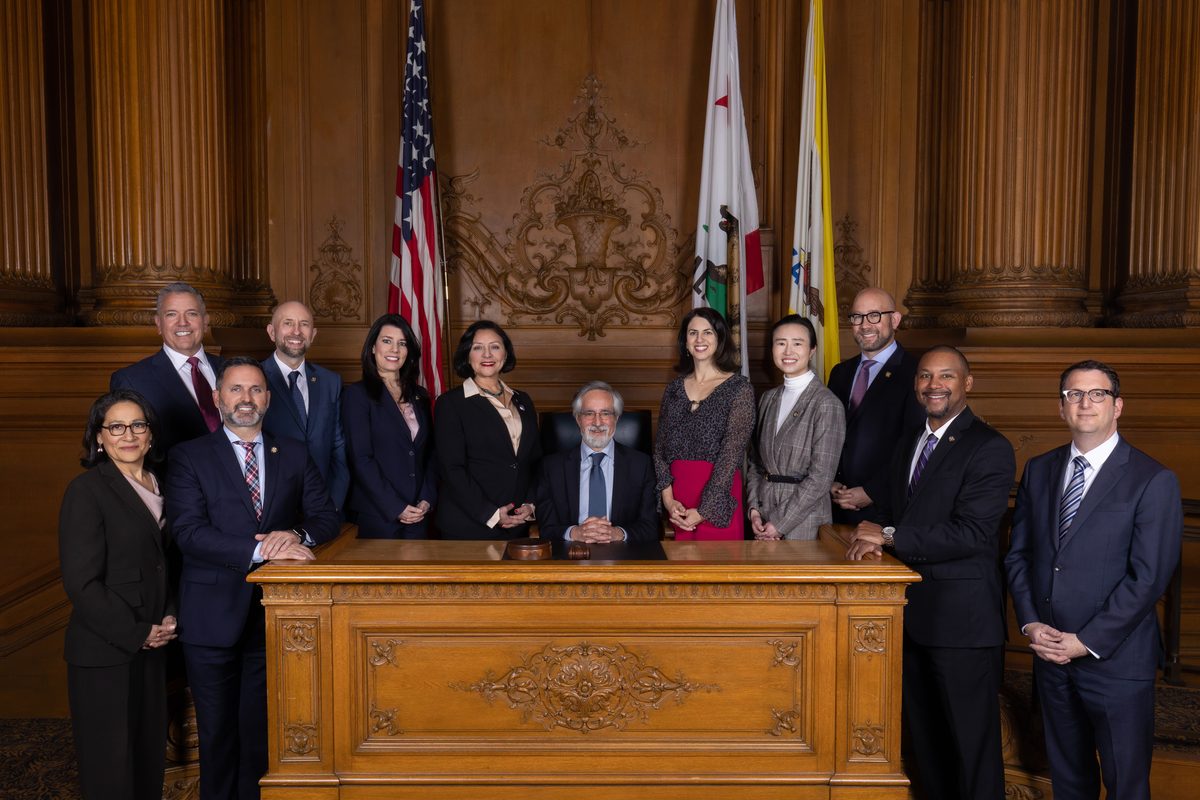
San Francisco's Board of Supervisors meets September 1 with four professional services agreements on the agenda, each worth up to $20 million with Stantec, AECOM, Jacobs, and LEE Inc. The 'as-needed' contracts authorize up to $80 million in potential outside spending on specialized engineering and technical services.

The vote comes as federal Medicaid cuts squeeze city hospitals and clinics. Labor unions backing the Overpaid CEO Act say the city should tax large corporations whose CEOs earn over 100 times their median worker, raising over $200 million a year. Supporters see a city buying flexibility; critics see outsourcing that drains services.

Why it matters

Approving up to $80 million in outside contracts would come as the city says federal cuts already threaten core services.

Questions about this story

Free account needed to ask — your question is kept and asked for you right after sign-up. Answers are public.

No questions yet — be the first to ask.

Key Indicators

$80M
Total ceiling on four as-needed contracts
Combined maximum for the four agreements on the September 1 agenda.
$200M+
Projected annual revenue from Overpaid CEO Act
Coalition estimate of what the corporate surcharge would raise yearly.
4
Contracts under consideration
Stantec, AECOM, Jacobs, and LEE Inc. would each hold a $20 million ceiling.
100:1
CEO-to-worker pay ratio threshold
Companies whose CEOs earn over 100 times their median worker would pay the surcharge.

Voices

Curated perspectives — historical figures and your fellow readers.

Ever wondered what historical figures would say about today's headlines?

Sign up to generate historical perspectives on this story.

People Involved

Organizations Involved

Timeline

November 2025 September 2026

3 events Latest: September 1st, 2026 · 3 weeks ago
  1. Contracts placed on Board agenda

    Latest Legislative

    Four professional services agreements, each up to $20M with Stantec, AECOM, Jacobs, and LEE Inc., listed for full board consideration.

  2. Signature collection begins

    Ballot Initiative

    Approximate date: coalition starts gathering signatures for the Overpaid CEO Act.

  3. Overpaid CEO Act submitted

    Ballot Initiative

    Stand Up for SF coalition files the measure with the city registrar, targeting the June 2026 ballot.

Scenarios

1

Supervisors Approve All Four Contracts

Likely Resolves by Q3 2026

Discussed by: SF board staff and the Mayor's Budget Office, which prepared the agenda items

The board votes to approve all four agreements at its September 1 meeting or shortly after. San Francisco gains on-call access to specialized engineering and technical services without re-competition. This follows how similar as-needed agreements with major firms have been handled in prior years.

2

Board Approves With New Conditions

Possible Resolves by Oct 31, 2026

Discussed by: Board members who have questioned city outsourcing costs

Some supervisors seek amendments before voting: lower ceilings, annual utilization reports, local hiring preferences, or limits on change orders. The agreements get approved but with tighter oversight and reporting than originally proposed.

3

Board Delays or Rejects Contracts

Unlikely Resolves by End of 2026

Discussed by: Fiscal watchdogs and labor groups concerned about outsourcing while cutting services

Given the federal funding squeeze and the pending CEO tax measure, the board tables one or more contracts for fiscal review, citing the city's need for internal capacity or the optics of large outside fees while reducing services. A referral to the Budget and Finance Committee would delay action.

Historical Context

3 moments from history that rhyme with this story — and how they unfolded.

November 2018

San Francisco Prop C (2018)

Voters approved a gross receipts tax on businesses earning over $50 million, raising an estimated $300 million a year for homeless services. Salesforce CEO Marc Benioff championed it; the Chamber of Commerce opposed it.

Then

The Chamber sued, arguing a two-thirds vote was needed; a lower court agreed in 2020, but the state appeals court reversed in 2022, upholding the measure.

Now

Revenue now funds mental health, housing, and street sanitation. The fight set a precedent that corporate taxes in San Francisco face litigation.

Why this matters now

Shows San Francisco voters will back corporate taxes for services, and that such measures face legal hurdles. The Overpaid CEO Act faces a similar political and legal path.

May 2018

Portland CEO Pay Tax Measure (2018)

Portland voters rejected a measure that would have raised business taxes on companies whose CEOs earned more than 200 times their median worker, to fund affordable housing and climate programs.

Then

The measure failed by a wide margin; business groups argued it would push companies out.

Now

Portland has not revived a CEO-pay-ratio tax. It remains an example of voters rejecting such targeted levies.

Why this matters now

Contrasts with Prop C, showing voter appetite for CEO-pay-targeted taxes varies. The San Francisco Overpaid CEO Act uses a stricter 100:1 threshold, which could affect its reception.

First disclosures 2018

SEC CEO-Pay-Ratio Rule (2018)

Public companies were required to disclose the ratio of CEO pay to median worker pay under the 2010 Dodd-Frank Act, after years of rulemaking and court challenges. The first proxy disclosures showed ratios from 1:1 to over 1,000:1.

Then

The data became a tool for shareholder activists and campaigners; companies complained about compliance costs.

Now

The rule normalized the CEO-to-worker pay ratio as a metric in policy debates, underpinning measures like the Overpaid CEO Act.

Why this matters now

Without the federal disclosure requirement, the Overpaid CEO Act's 100:1 threshold could not be easily verified or enforced. The rule is the infrastructure the coalition relies on.

Sources

(3)

More from San Francisco, CA

Openings, permits and council decisions in San Francisco, CA, in your inbox every Monday.