
Pull to refresh
Logo
San Francisco narrows César Chavez Street replacement to two names

San Francisco narrows César Chavez Street replacement to two names

Rule Changes San Francisco, CA local

Labor leader's name could become 'Sí, Se Puede' or 'Las Campesinas' after abuse allegations

Today: Working group announces two finalist names for street

Overview

Updated 1 hour ago

San Francisco's renaming working group has narrowed the choice to replace César Chavez Street to two finalists: "Las Campesinas" (female farmworkers) and "Sí, Se Puede" (Yes, you can), a rallying cry coined by United Farm Workers co-founder Dolores Huerta. The committee will make a final recommendation next week, followed by legislation, a public hearing, and a Board of Supervisors vote.

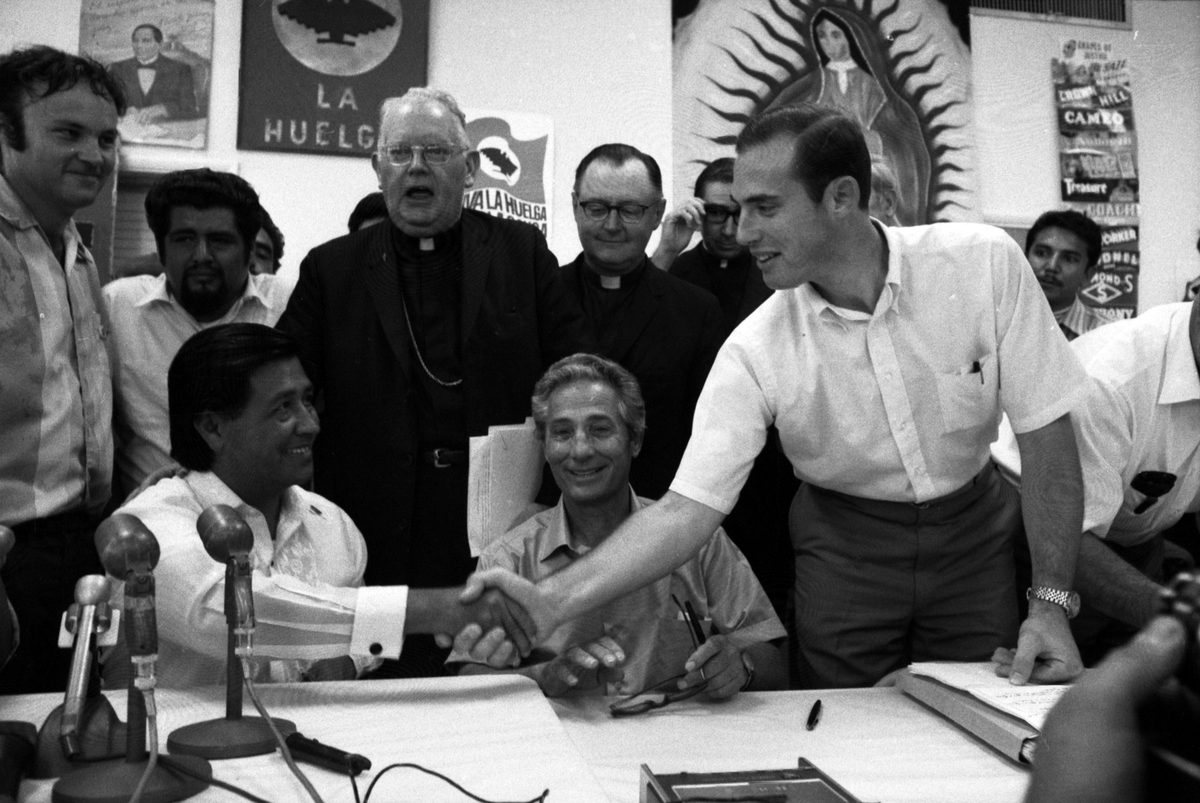
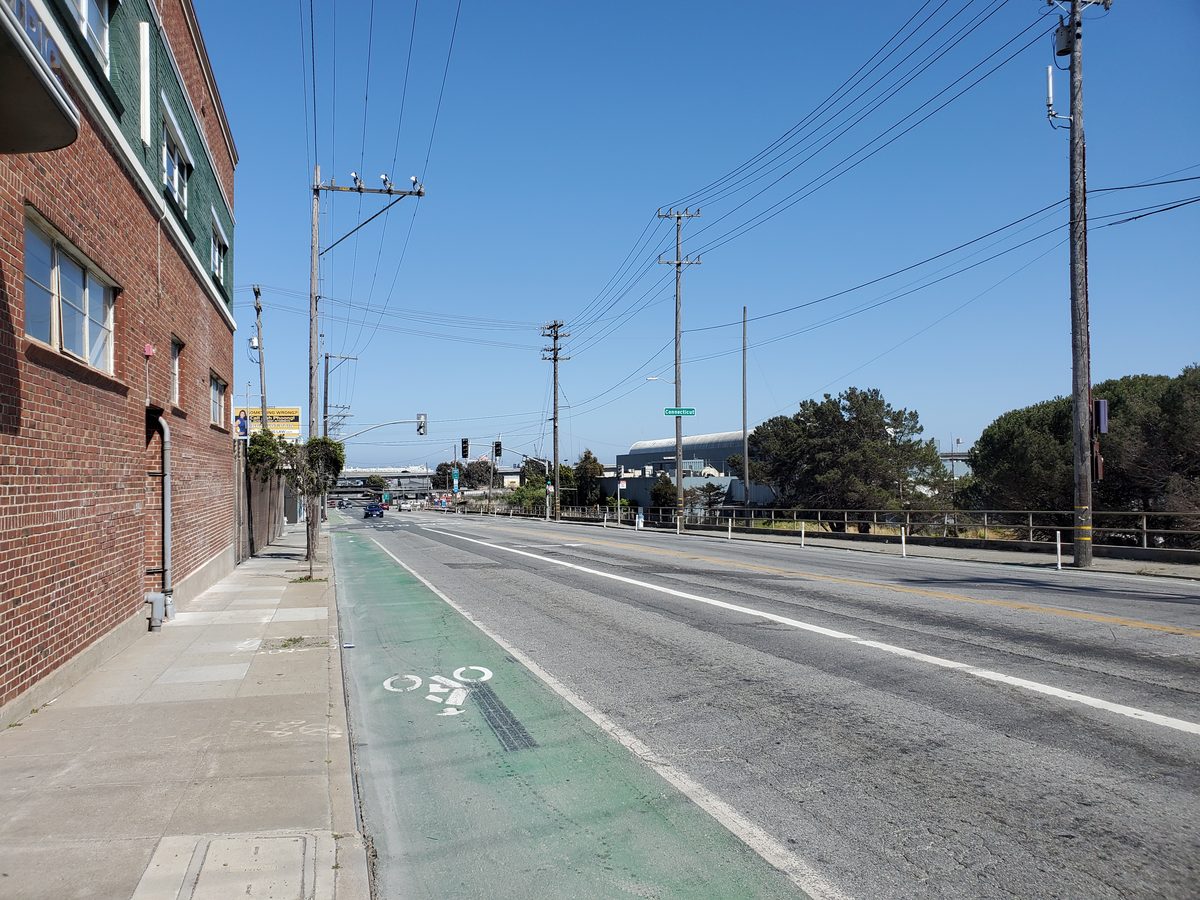
The renaming follows a March New York Times investigation alleging Chávez sexually abused women and girls in the 1970s. The 3-mile thoroughfare has carried his name since 1995, when supervisors renamed Army Street in his honor after a bitter fight that went to the ballot. Now the city faces a harder question: how to keep honoring the farmworker movement without its disgraced figurehead.

Why it matters

The decision sets a national precedent for how cities strip and replace the name of a union icon, and it will force thousands of address and delivery system changes along the corridor.

Questions about this story

Free account needed to ask — your question is kept and asked for you right after sign-up. Answers are public.

No questions yet — be the first to ask.

Key Indicators

2
Finalist names under consideration
Las Campesinas and Sí, Se Puede
$107K
Estimated cost to replace signs and etchings
Working group's estimate; earlier city estimate was $115K
59
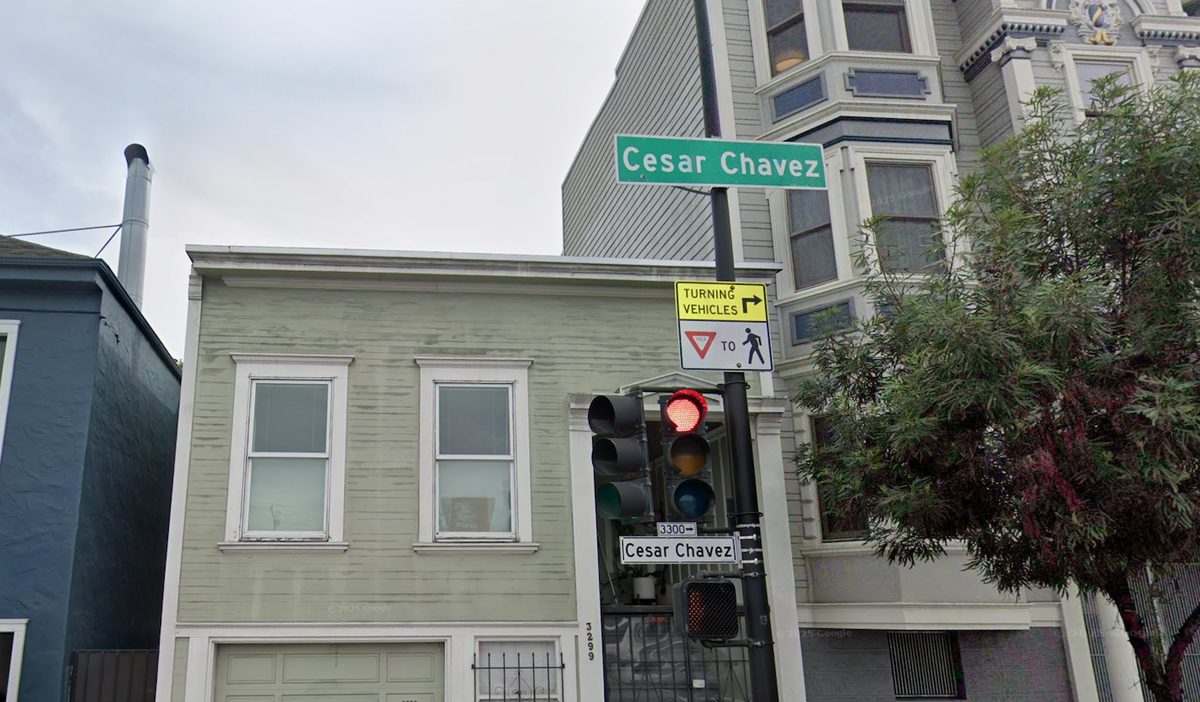
Street signs bearing Chávez's name
Counted by a reporter walking the full corridor
85
Sidewalk engravings bearing Chávez's name
Each intersection re-etching costs about $1,800

Voices

Curated perspectives — historical figures and your fellow readers.

Ever wondered what historical figures would say about today's headlines?

Sign up to generate historical perspectives on this story.

People Involved

Organizations Involved

Timeline

March 1995 September 2026

7 events Latest: Today
Tap a bar to jump to that date
  1. Working group announces two finalist names for street

    Today Announcement

    Committee confirms 'Las Campesinas' and 'Sí, Se Puede' as candidates to replace César Chavez Street. Final recommendation next week.

  2. Community meeting draws support for 'Sí, Se Puede'

    Public Meeting

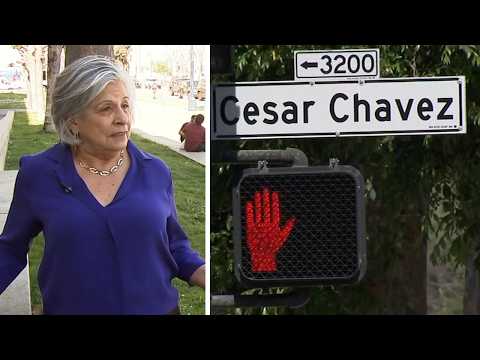
    Residents at Flynn Elementary discussed the two name options. SEIU Local 87 president Olga Miranda drew parallels to 1995 anti-immigrant sentiment.

  3. SF forms working group to study renaming

    City Action

    Mayor Lurie commissioned the group; former supervisor Susan Leal and assessor-recorder Joaquín Torres co-chair.

  4. California cities race to strip Chávez's name

    Response

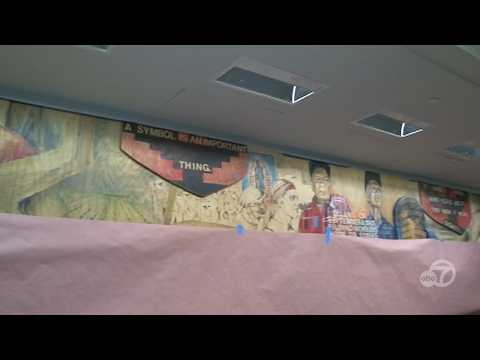
    Sacramento moved to rename Cesar Chavez Plaza; San Jose covered a plaza engraving; San Diego and LA began renaming assets. State renamed César Chavez Day as Farmworkers Day.

  5. Ballot measure to restore Army Street name fails

    Election

    Voters rejected the repeal by a wide margin after a divisive campaign backed by UFW volunteers.

  6. San Francisco renames Army Street to César Chavez Street

    City Action

    Supervisors voted unanimously; new signs unveiled on Chávez's birthday. A campaign to repeal the change began.

Scenarios

1

San Francisco approves 'Sí, Se Puede' as street's new name

Likely Resolves by Q2 2027

Discussed by: KQED; community members at the Sept 24 meeting

The working group finalizes its recommendation in early October. Supervisor Jackie Fielder introduces legislation, the Board of Supervisors holds a public hearing and votes before the end of the year. City crews then begin replacing 59 street signs and 85 sidewalk engravings at an estimated cost of $107,000. Alicia Bustos Sandoval, who worked for the union for seven years, described the phrase as giving people 'esperanza' — hope.

2

San Francisco approves 'Las Campesinas' as street's new name

Possible Resolves by Q2 2027

Discussed by: KQED; working group members

The committee picks the tribute to female farmworkers, honoring the women who built the movement and those harmed by Chávez. The same legislative path follows, with a vote by the Board of Supervisors before the end of 2026 or early 2027. The name would offer a more permanent statement about who the city chooses to commemorate.

3

César Chavez Street renaming stalls amid dispute

Unlikely Resolves by End of 2027

Discussed by: SF Standard; residents who prefer reverting to Army Street

The working group's final recommendation draws pushback from residents or business owners who object to another costly renaming. A ballot challenge like the 1995 repeal effort could emerge, or the legislative process drags past early 2027 without a vote. Some residents interviewed by SF Standard suggested reverting to 'Army Street' or naming the street after local figures.

Historical Context

3 moments from history that rhyme with this story — and how they unfolded.

March-April 1995

Army Street becomes César Chavez Street (1995)

San Francisco supervisors voted unanimously to rename Army Street for the late labor leader, unveiling new signs on Chávez's birthday in March 1995. A coalition of Mission District residents and United Farm Workers volunteers backed the change.

Then

Opponents put a repeal measure on the November 1995 ballot; it failed by a wide margin.

Now

The street kept Chávez's name for three decades, and city leaders who fought for it, like Susan Leal, now co-lead the effort to remove it.

Why this matters now

The same community that won the 1995 fight now faces the question of whether and how to reverse it, and some residents draw direct parallels between the anti-immigrant climate of 1995 and today.

August 2017 - 2021

Confederate monument removals (2017-2021)

After the Charlottesville rally, cities from Baltimore to New Orleans removed statues of Confederate generals and renamed streets, schools, and parks. The movement peaked again after George Floyd's murder in 2020.

Then

Dozens of cities stripped Confederate names from public spaces, often after heated debate.

Now

It established a precedent that public honors can be removed when a figure's legacy is deemed unacceptable, and opened debate about how to replace them.

Why this matters now

San Francisco's renaming is part of this broader pattern, but adds a new twist: honoring a movement rather than an individual.

June-November 2020

Woodrow Wilson at Princeton (2020)

Princeton University removed Woodrow Wilson's name from its public policy school and a residential college after protests highlighted Wilson's segregationist policies and racism. Wilson, a progressive icon and former U.S. president, had been honored for decades.

Then

The university trustees voted to strip Wilson's name, citing his 'racist thinking and policies.'

Now

It showed that even beloved historical figures can lose their honorifics when their full record comes to light.

Why this matters now

Like Wilson, Chávez was a civil rights icon whose personal failings prompted institutions to reconsider his legacy. Princeton's move shows how a single revelation can overturn decades of veneration.

Sources

(4)

More from San Francisco, CA

Openings, permits and council decisions in San Francisco, CA, in your inbox every Monday.