



Pull to refresh
Logo
San Francisco supervisor bill would legalize home-kitchen food sales

San Francisco supervisor bill would legalize home-kitchen food sales

Rule Changes San Francisco, CA local

Fielder's ordinance cleared the Board of Supervisors 11-0 and creates an $828 home-kitchen permit for cooks priced out of commercial rentals

Overview

Updated 6 hours ago

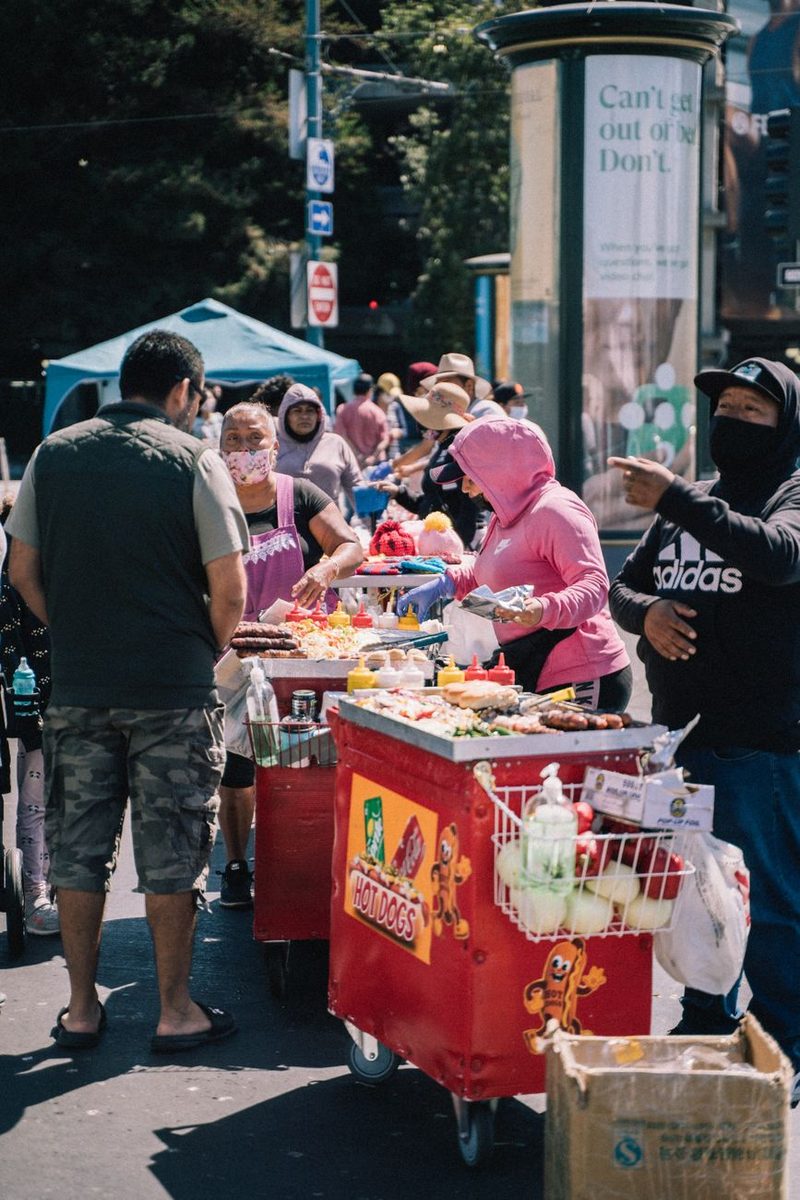
San Francisco supervisors voted unanimously on Nov. 10 to let residents cook and sell food from their home kitchens, opting the city into a state law that took effect in 2019. The ordinance from District 9 Supervisor Jackie Fielder creates a city permit costing $828 a year.

Until now, city rules pushed vendors toward certified commissary kitchens that charge around $1,000 a month. The budget committee amended the bill Nov. 4 with landlord-notice, delivery and permit-cap rules, then sent it to the full board. Board records list the ordinance as unfinished business awaiting final passage, and Fielder's office says the rollout timeline is undetermined.

Why it matters

If the bill passes, San Francisco home cooks can sell meals legally without a $1,000-a-month commissary rental, opening food businesses to low-income vendors.

Last Monday's email for San Francisco, CA

Sent Nov 9. It carried:

Get next Monday's: one short email a week. Free. Unsubscribe in one click.

Questions about this story

Free account needed to ask — your question is kept and asked for you right after sign-up. Answers are public.

No questions yet — be the first to ask.

Key Indicators

90 meals/week
Weekly meal cap for home kitchens
Home kitchens are limited to 90 meals a week. Vendors selling from a pushcart or wagon can go up to 200.
$100,000
Annual sales cap
$100,000 a year under the ordinance as Mission Local reported it, adjusted for inflation. Telemundo reported $110,000.
$828
Annual home-kitchen permit fee
Applicants pay the fee and pass a health inspection, then renew the permit every year.
$1,000/month
Average commissary kitchen rental
The commercial kitchen cost that pushed vendors to seek the home-kitchen option.
7 plus Berkeley
Counties that adopted MEHKO before SF
Santa Cruz, Monterey, Santa Clara, Sonoma, Alameda, San Mateo and Contra Costa, plus the city of Berkeley.

Voices

Curated perspectives — historical figures and your fellow readers.

Sign up to generate historical perspectives on this story.

People Involved

Organizations Involved

Timeline

September 2018 November 2026

9 events Latest: Yesterday
Tap a bar to jump to that date
  1. Supervisors vote unanimously to legalize home kitchens

    Latest Legislation

    The Board of Supervisors approved the MEHKO ordinance without discussion in a vote that lasted under two minutes. Board records list it as unfinished business awaiting final passage.

  2. Budget committee amends and advances home-kitchen rules

    Legislation

    The Budget and Finance Committee added landlord-notice, delivery, shared-kitchen and permit-cap amendments, then recommended the ordinance to the full board. Analysts said other jurisdictions reported few complaints.

  3. Home-kitchen bill introduced

    Legislation

    Fielder introduces the MEHKO ordinance with five co-sponsors; it will sit 30 days before committee.

  4. Fielder requests cost study

    Policy

    Supervisor asks the budget analyst to evaluate establishing MEHKO in San Francisco.

  5. Health department drafts commissary rules

    Regulation

    New rules would force vendors to rent certified commissary kitchens at about $1,000 a month.

  6. Vendors raise alarm over new rules

    Protest

    Mission District street vendors warn proposed city rules could drive them out of business.

  7. Counties pilot MEHKO

    Program

    Santa Cruz and Contra Costa counties launch two-year home kitchen pilots.

  8. California passes AB 626

    Legislation

    State lawmakers create the microenterprise home kitchen license for cooked meals.

Scenarios

1

San Francisco adopts the home-kitchen program

Likely Resolves by Mar 1, 2027

Discussed by: Mission Local; Cook Alliance and vendor advocates

The ordinance cleared the Budget and Finance Committee on Nov. 4 and the full board voted 11-0 on Nov. 10. Final passage and a mayoral signature would add San Francisco to the seven counties and Berkeley that already license microenterprise home kitchens, at 90 meals a week and $100,000 in annual sales, with health inspectors certifying home kitchens.

2

Amendments narrow the bill before passage

Possible Resolves by Q2 2027

Discussed by: Mission Local commenters; neighborhood groups wary of commercial home use

Supervisors add equipment requirements, tighter meal caps, or limits on which neighborhoods qualify, after pressure from residents who fear home kitchens bring noise, trash and commercial activity to residential buildings. The program passes but covers fewer vendors, and the commissary relief is partial rather than the broad option Fielder proposed.

3

Measure stalls in committee

Unlikely Resolves by Q2 2027

Discussed by: Deadline reports; licensed commissary operators

This path did not play out. The Budget and Finance Committee recommended the amended ordinance on Nov. 4 and the full board passed it 11-0 on Nov. 10. Vendors keep operating without permits until the program's rollout, which Fielder's office says has no set timeline.

Historical Context

3 moments from history that rhyme with this story — and how they unfolded.

January 2013

California Cottage Food Law (2013)

California passed the Cottage Food Act, letting residents sell shelf-stable foods like jam, popcorn and dried fruit made in home kitchens. Counties had to inspect and certify the kitchens.

Then

Home bakers and jam makers gained a legal sales channel without commercial rentals.

Now

It built the inspection-and-certification model that MEHKO later expanded to cooked meals.

Why this matters now

Santa Cruz officials cited their Cottage Food experience as the reason adopting MEHKO was manageable, proving the same agencies can handle cooked-food inspections.

January 2019

AB 626 / MEHKO (2019)

A state law took effect letting each county decide whether to license microenterprise home kitchens selling cooked meals. Santa Cruz and Contra Costa ran pilot programs starting in 2024.

Then

Pilot counties reported minimal complaints and recommended making the programs permanent.

Now

A proven county template now exists that San Francisco can adopt wholesale.

Why this matters now

Fielder's bill is essentially a request to copy the program these counties already run, lowering the political and administrative risk.

November 2018

San Francisco street vending legalization (2018)

San Francisco legalized sidewalk vending after years of ticketing vendors, creating a permitting system for street sellers. The shift followed sustained advocacy from immigrant vendor groups.

Then

Vendors gained permits and city recognition instead of fines.

Now

It established a city pattern of legalizing small street commerce rather than trying to stamp it out.

Why this matters now

The home-kitchen bill follows the same playbook: turn an activity the city can't easily eliminate into a licensed, inspected business.

Sources

(9)