


Pull to refresh
Logo
San Francisco police must now delete Flock license plate data after 30 days

San Francisco police must now delete Flock license plate data after 30 days

Rule Changes San Francisco, CA local

Mayor Lurie's new rules link every search to an investigation, add audits, and keep the cameras running amid a national privacy backlash.

Today: Lurie announces 30-day data retention rule

Overview

Updated 1 hour ago

San Francisco police will now delete license plate data from Flock's platform 30 days after capture, down from 12 months. Mayor Daniel Lurie imposed the change administratively, along with rules requiring every search to cite an open investigation and monthly internal audits.

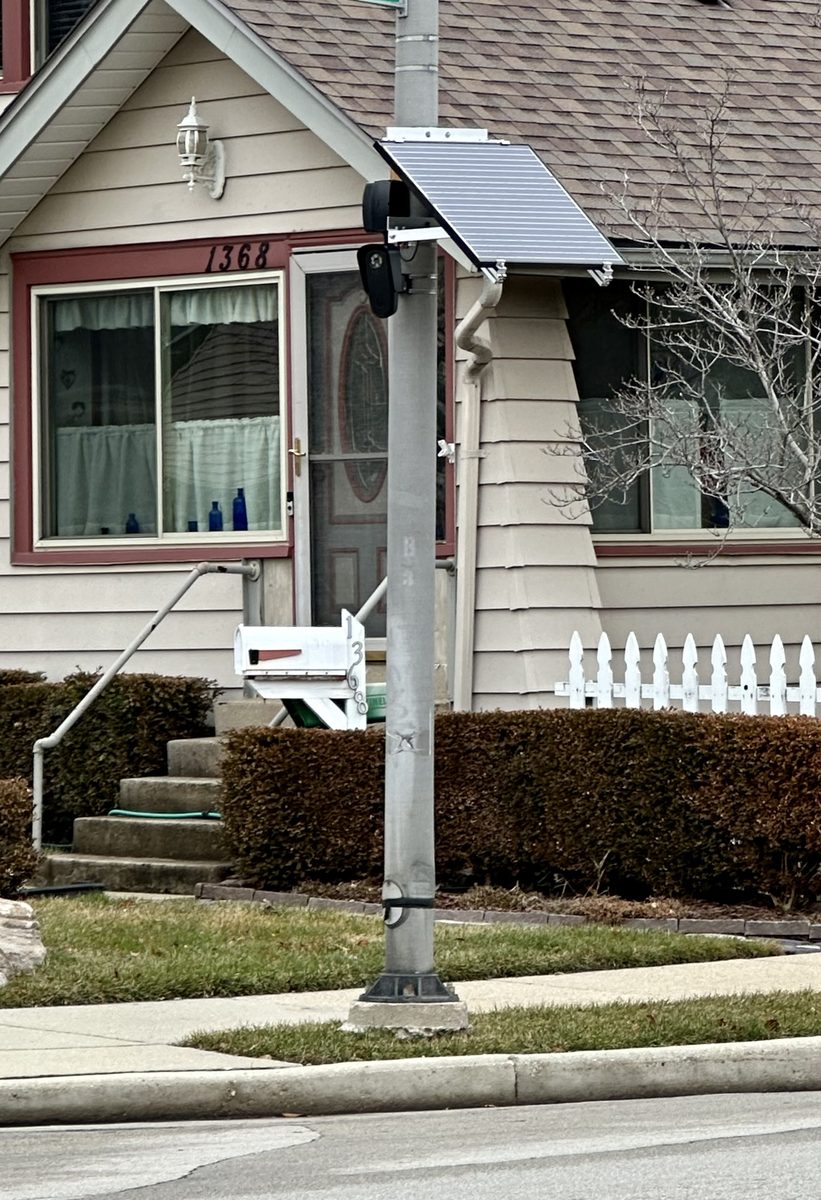
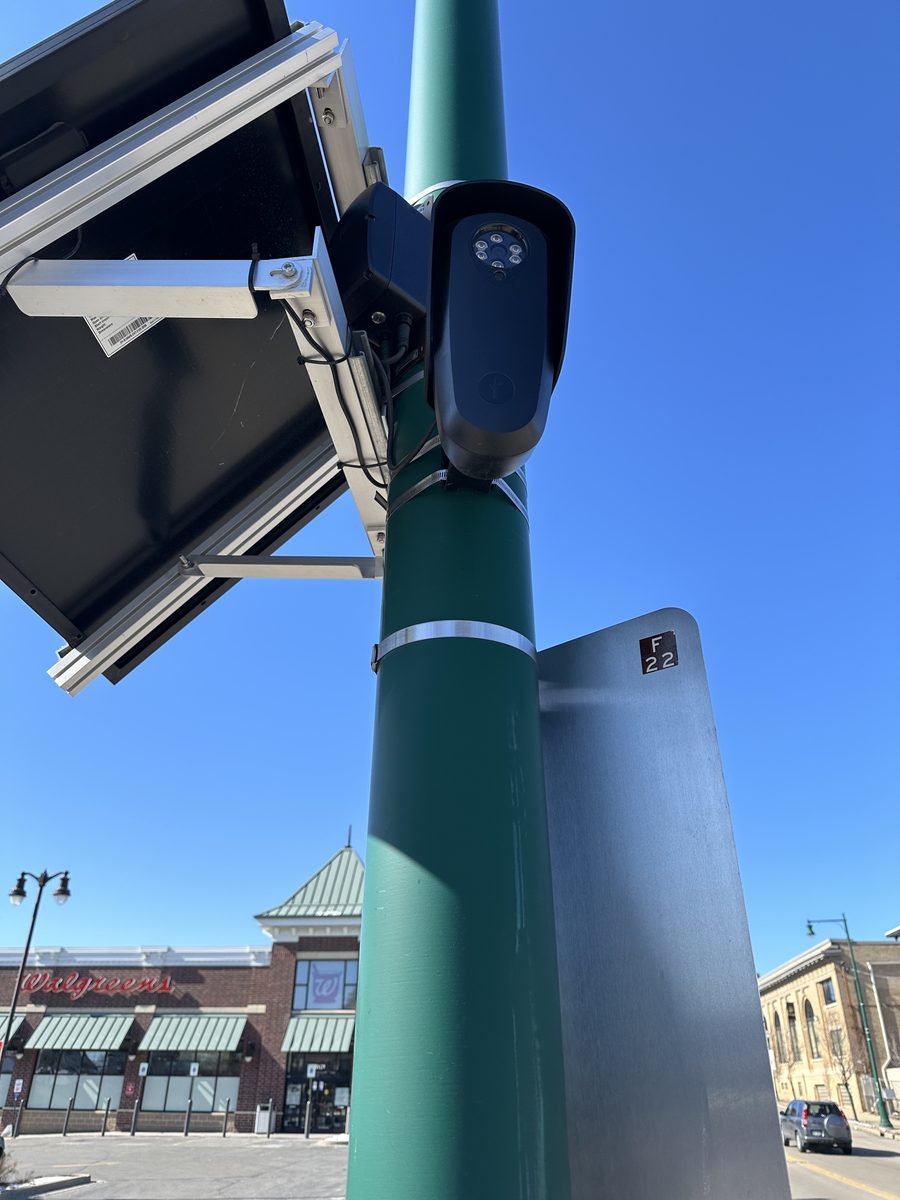
The guardrails follow a national scandal over Flock's cameras: 1.6 million unauthorized accesses by out-of-state agencies and cases of officers using scans to stalk partners. The city keeps its 400-plus cameras, but the balance between crime-fighting and privacy has shifted.

Why it matters

San Francisco runs one of the country's largest Flock networks; its 30-day retention rule could become the template for hundreds of police departments.

Questions about this story

Free account needed to ask — your question is kept and asked for you right after sign-up. Answers are public.

No questions yet — be the first to ask.

Key Indicators

30 days
New ALPR data retention limit
SFPD must delete Flock data from the platform after 30 days, down from 12 months.
1.6M
Unauthorized database accesses
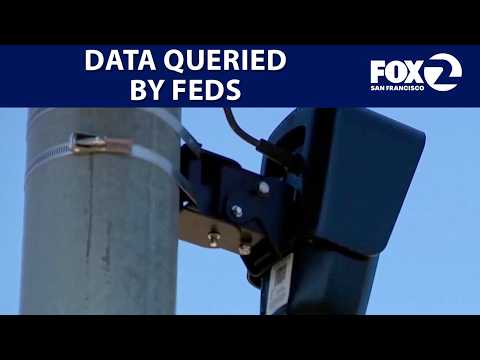
Out-of-state agencies accessed SF's Flock database 1.6 million times without authorization, revealed in a Sept 2025 investigation.
400+
Flock cameras in San Francisco
The city's ALPR network, all contracted through Flock Safety, spans over 400 devices.
150+
Cities that canceled Flock contracts
Nearly 150 cities and local governments have deactivated cameras or canceled contracts amid privacy backlash.

Voices

Curated perspectives — historical figures and your fellow readers.

Ever wondered what historical figures would say about today's headlines?

Sign up to generate historical perspectives on this story.

People Involved

Organizations Involved

Timeline

March 2024 February 2027

8 events Latest: Today
Tap a bar to jump to that date
  1. Board of Supervisors to vote on Flock contract

    Upcoming Political

    The Board of Supervisors is expected to vote on whether to extend Flock's contract with the city early in 2027, with activists pushing for cancellation and city officials defending the program.

  2. Haney expected to introduce state bill

    Upcoming Legislation

    Assemblymember Matt Haney plans to introduce a bill making it a crime for officers to improperly use or share license plate reader data, with support from the district attorney and mayor.

  3. Lurie announces 30-day data retention rule

    Today Policy Change

    Mayor Lurie imposes new rules requiring SFPD to delete Flock data after 30 days, link searches to investigations, and submit to monthly audits. He also announces plans for state legislation penalizing data misuse.

  4. Human Rights Commission releases Flock report

    Report

    The commission's report on the 1.6 million unauthorized searches finds no sanctuary city violation but recommends shorter data retention and clearer search justifications.

  5. SF Democratic Party reaffirms Flock support

    Political

    The San Francisco Democratic County Central Committee votes to reaffirm support for existing Flock guidelines despite protests from activists.

  6. San Jose officer fired for Flock misuse

    Incident

    An off-duty San Jose police officer is fired after allegedly using Flock to track a woman accusing his cousin of domestic abuse, then sharing the data with the accused. The case exposed that no state law penalizes such misuse.

  7. Voters approve Proposition E

    Election

    San Francisco voters pass a ballot measure expanding SFPD authority to use drones and cameras, part of a get-tough approach that paved the way for Flock's expansion.

Scenarios

1

SF supervisors extend Flock contract with new guardrails

Likely Resolves by Apr 1, 2027

Discussed by: SF Standard, Mission Local

The Board of Supervisors votes to extend Flock's contract in early 2027. The new retention and audit rules satisfy the moderate majority, which points to the city's crime decline, including car break-ins at a 22-year low. Progressive opposition holds protests but lacks votes, and the contract passes with conditions attached.

2

California makes license plate data misuse a crime

Possible Resolves by Oct 1, 2027

Discussed by: Mission Local, San Francisco Chronicle

Assemblymember Matt Haney introduces the bill in December 2026. The legislation creates penalties for officers who improperly use or share ALPR data, closing a gap exposed by the San Jose tracking case. The bill moves through committees in 2027, with passage depending on law enforcement support and the legislative calendar.

3

SF supervisors reject Flock contract amid privacy backlash

Unlikely Resolves by Apr 1, 2027

Discussed by: Progressive activists, privacy advocates

The contract vote fails after new revelations of misuse surface or the board shifts left politically. SFPD loses access to its ALPR network and must rely on other surveillance tools. This is less likely given the moderate majority and the city's focus on crime reduction.

Historical Context

3 moments from history that rhyme with this story — and how they unfolded.

May 2019

San Francisco's facial recognition ban (2019)

San Francisco's Board of Supervisors voted 8-1 to ban city departments, including police, from using facial recognition technology, the first US city to do so. The ordinance required all surveillance technologies to have approved policies before use.

Then

City agencies were barred from facial recognition use, and the vote set off a national wave of similar bans.

Now

Within five years, SF reversed course under new leadership, expanding drone and camera authority through Proposition E while keeping the policy-approval framework the 2019 ordinance created.

Why this matters now

The swing from facial recognition ban to Flock embrace frames today's debate: both sides use the 2019 ordinance's framework to argue for or against stricter controls on surveillance.

2023-2026

National backlash against Flock (2023-2026)

Nearly 150 cities and local governments deactivated Flock cameras or canceled their contracts amid privacy concerns, unauthorized federal access, and cases of officers using the data to stalk or intimidate. A Senate hearing this year scrutinized the company's practices.

Then

Flock lost contracts across the country while defending its platform and data-sharing model.

Now

The backlash pushed agencies like San Francisco to adopt retention limits and audit requirements rather than abandon the technology entirely.

Why this matters now

SF is following the opposite path of the canceling cities, keeping Flock but tightening controls. The early 2027 contract vote will test whether that middle ground holds.

2020s

Oregon's ALPR privacy rules (2020s)

Oregon adopted statewide limits on how long police can retain automated license plate reader data and who can access it, setting a standard for other states.

Then

Oregon's police departments adjusted their retention and access practices to comply.

Now

Oregon became a model for other jurisdictions; Lurie's office explicitly cited it as the template for San Francisco's new policy.

Why this matters now

The adoption of Oregon's approach shows the ALPR policy debate is converging on standardized guardrails rather than outright bans.

Sources

(4)

More from San Francisco, CA

Openings, permits and council decisions in San Francisco, CA, in your inbox every Monday.