

Pull to refresh
Logo
San Francisco shifts homeless shelter beds toward addiction treatment

San Francisco shifts homeless shelter beds toward addiction treatment

Rule Changes San Francisco, CA local

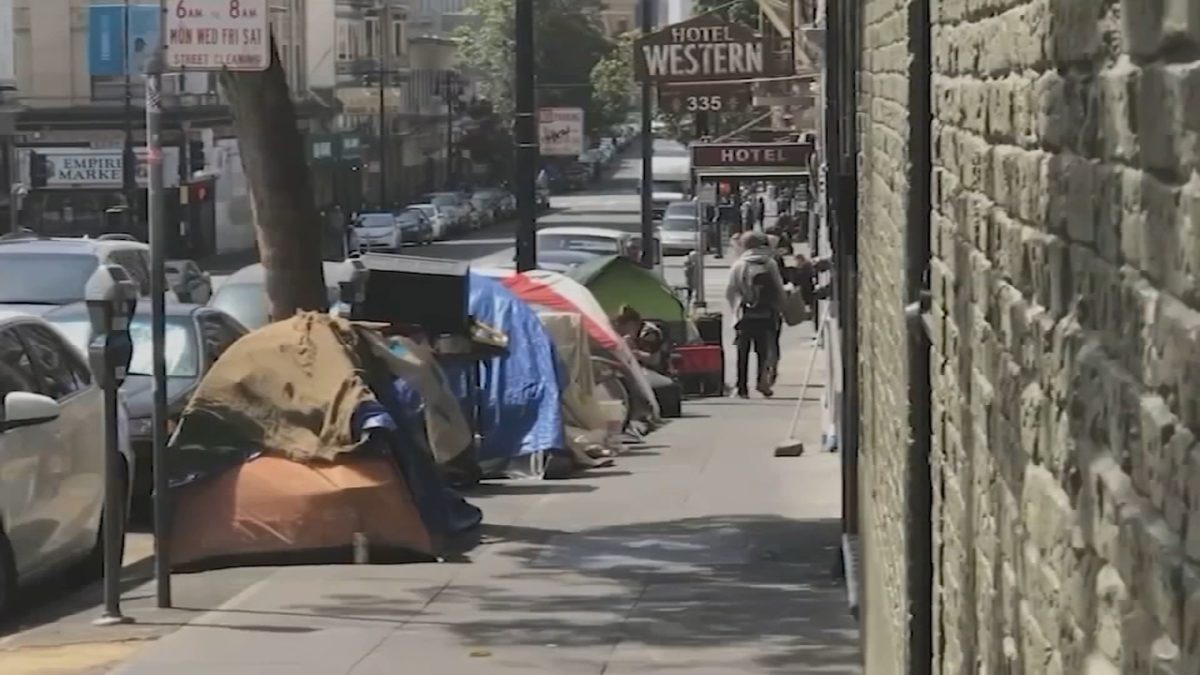
Mayor Daniel Lurie promised 1,500 new shelter beds. His administration has instead added treatment beds and plans to close two large shelters.

Overview

Updated 5 hours ago

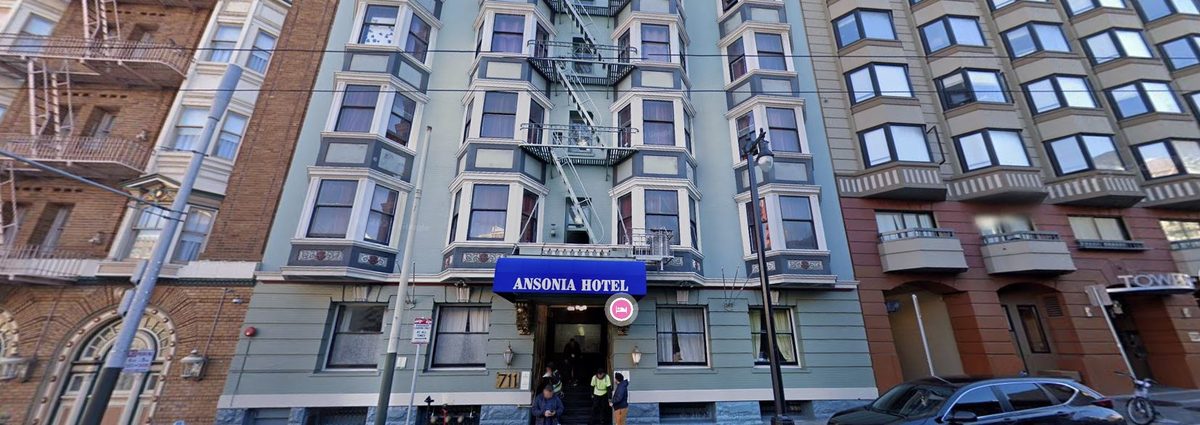
Ollis Flakes, 53, became homeless for the first time in April. He found a bed at 711 Post St., one of San Francisco's largest shelters. Next year, that shelter and the Embarcadero SAFE Navigation Center are set to close, eliminating 480 general shelter beds.

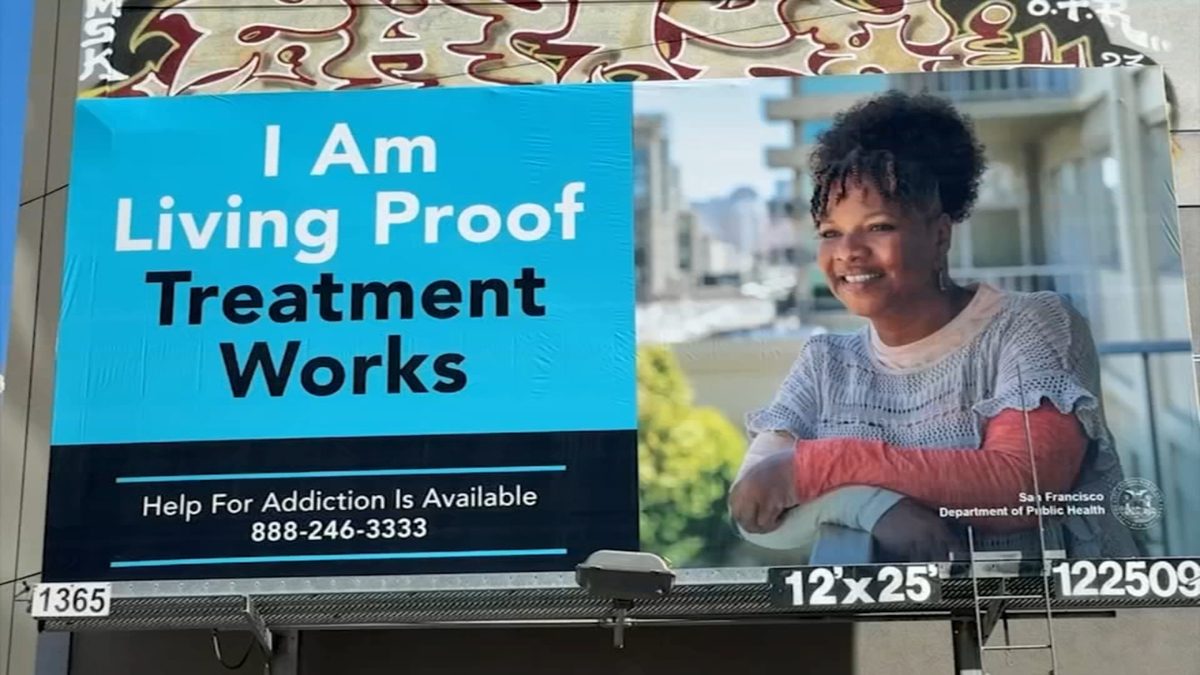
Under Mayor Daniel Lurie, the city is replacing general shelter beds with treatment and recovery beds that require sobriety or participation in programs. Between December 2024 and July 2026, San Francisco closed nearly 250 general adult shelter beds while adding more than 400 treatment beds. The net gain is about 380 interim beds, but the upcoming closures could erase that and leave the city with fewer general shelter beds than when Lurie took office.

Why it matters

San Francisco could end up with 720 fewer general shelter beds than when Lurie took office, leaving non-addicted homeless people with fewer options.

Last Monday's email for San Francisco, CA

Sent Nov 16. It carried:

Get next Monday's: one short email a week. Free. Unsubscribe in one click.

Questions about this story

Free account needed to ask — your question is kept and asked for you right after sign-up. Answers are public.

No questions yet — be the first to ask.

Key Indicators

480
Shelter beds slated to close
711 Post and Embarcadero SAFE Navigation Center are set to close.
380
Net gain in interim beds
Includes treatment, recovery, and other beds, but not all are low-barrier.
250
General shelter beds closed
Between December 2024 and July 2026.
1,500
Original campaign promise
Lurie promised 1,500 new shelter beds in his first six months.

Voices

Curated perspectives — historical figures and your fellow readers.

Sign up to generate historical perspectives on this story.

People Involved

Organizations Involved

Timeline

November 2024 2027

6 events Latest: Yesterday
Tap a bar to jump to that date
  1. Two large shelters scheduled to close

    Upcoming Planned Closure

    711 Post and Embarcadero SAFE Navigation Center are set to close, eliminating 480 general shelter beds.

  2. City data shows bed shift

    Data Release

    Records show 250 general shelter beds closed and 400 treatment beds added since December 2024.

  3. Lurie takes office

    Inauguration

    He inherits a shelter system that will soon shift toward treatment and recovery beds.

  4. Lurie drops numeric shelter target

    Policy Change

    The mayor abandons the 1,500-bed promise in favor of adding the 'right beds.'

  5. Daniel Lurie elected mayor

    Election

    Lurie campaigns on a promise to open 1,500 emergency shelter beds in his first six months.

Scenarios

1

San Francisco replaces 480 shelter beds before closures

Uncertain Resolves by End of 2027

Discussed by: City officials have said they are looking for replacements, but no sites have been announced.

The city finds new locations or funding to open general shelter beds before 711 Post and Embarcadero close. This could include leasing hotels or repurposing other facilities.

2

Shelter closures proceed without full replacement, reducing total capacity

Likely Resolves by End of 2027

Discussed by: Critics of the plan and the article's analysis note that no replacements are funded.

The two shelters close as planned and the city does not open enough new general beds to offset the loss. Total interim beds fall below December 2024 levels.

Historical Context

2 moments from history that rhyme with this story — and how they unfolded.

1960s–1970s

Deinstitutionalization of mental hospitals (1960s–1970s)

States closed large psychiatric hospitals with the promise of community-based care. Many patients ended up homeless when promised housing and treatment programs failed to materialize.

Then

Increased street homelessness and strained social services.

Now

Created the modern homelessness crisis and the debate over institutional versus community care.

Why this matters now

San Francisco's shift from general shelter to treatment beds echoes this debate: whether to prioritize institutional treatment or low-barrier shelter.

2020–2021

COVID-19 hotel program (2020–2021)

During the pandemic, San Francisco and other cities moved thousands of homeless people into hotel rooms to reduce transmission. When federal funding ended, many hotels closed.

Then

Reduced spread of COVID-19 in shelters and on streets.

Now

Exposed the fragility of temporary programs and the difficulty of replacing them.

Why this matters now

The upcoming shelter closures show a similar dynamic: temporary solutions ending without permanent replacements.

Sources

(2)