
Pull to refresh
Logo
Ferry Building outage darkens San Francisco waterfront during commute

Ferry Building outage darkens San Francisco waterfront during commute

Built World San Francisco, CA local

Latest PG&E failure as the city pursues a takeover of the local grid, which the city values at $3.4 billion

September 30th, 2026: Ferry Building loses power during morning commute

Overview

Updated Sep 30

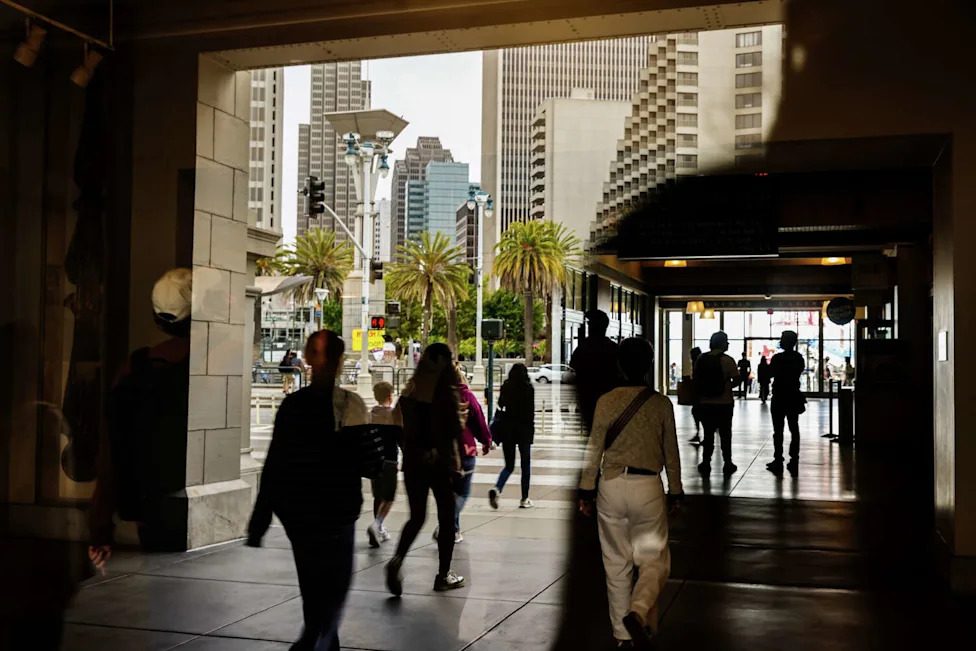
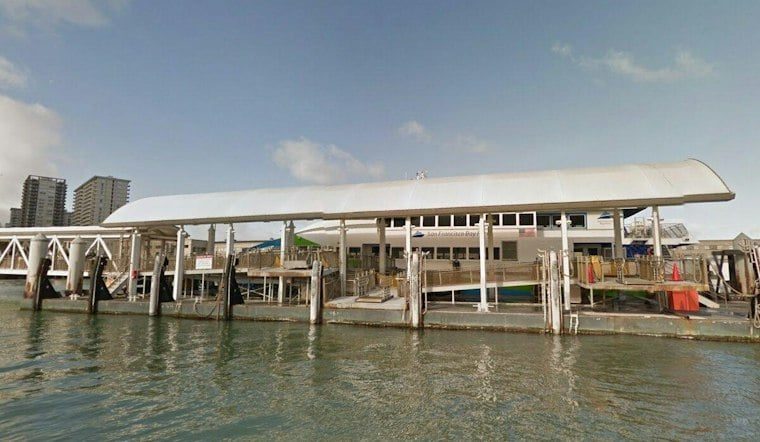
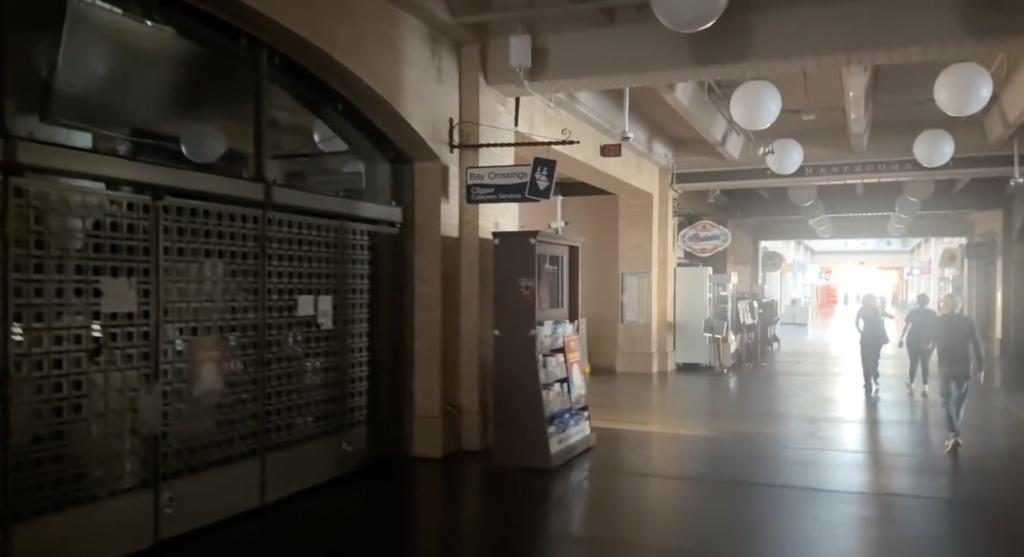
The San Francisco Ferry Building went dark at 6:42 a.m. Wednesday, cutting power to 455 customers and knocking out traffic lights along the Embarcadero during the morning commute. Power was fully restored by 10 a.m., but PG&E says the cause remains under investigation.

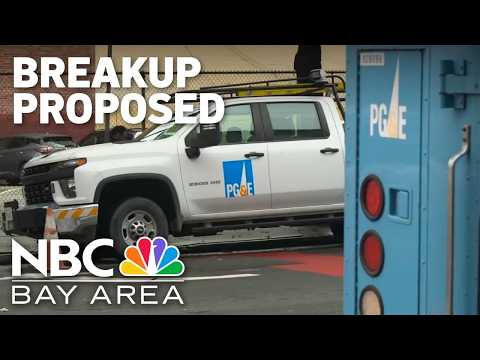
The outage is the latest in a string of PG&E failures in San Francisco, including a December 2025 substation fire that left about 130,000 customers without power. It comes as the city moves forward with a plan to buy PG&E's local grid, which the city values at $3.4 billion, and create a public utility.

Why it matters

Each PG&E outage in San Francisco feeds the debate over the city's bid to buy the utility's local grid, which the city values at $3.4 billion.

Monday: what changed in San Francisco, CA

One short email a week with the openings, closings, permits and council votes we covered. Free. Unsubscribe in one click.

Questions about this story

Free account needed to ask — your question is kept and asked for you right after sign-up. Answers are public.

No questions yet — be the first to ask.

Key Indicators

455
Customers affected by Ferry Building outage
Unplanned outage began at 6:42 a.m., power restored by 10 a.m.
130,000
Customers without power in Dec 2025 substation fire
Mission Substation fire caused by humidity and damaged insulating board, per Exponent report.
$3.4B
City valuation of PG&E's local grid
Board of Supervisors affirmed environmental impact report on Sept 22, 2026.
24M
Annual visitors to Port of San Francisco waterfront
Ferry Building sits at center of waterfront transit hub with nearly 50 merchants.

Voices

Curated perspectives — historical figures and your fellow readers.

Ever wondered what historical figures would say about today's headlines?

Sign up to generate historical perspectives on this story.

People Involved

Organizations Involved

Timeline

December 2025 September 2026

5 events Latest: September 30th, 2026 · 1 week ago
Tap a bar to jump to that date
  1. Ferry Building loses power during morning commute

    Latest Infrastructure Failure

    Unplanned outage cuts power to 455 customers, disables traffic lights along Embarcadero. Power restored by 10 a.m.

  2. Supervisors affirm EIR for city grid purchase

    Policy

    San Francisco Board of Supervisors unanimously affirms environmental impact report for city acquisition of PG&E's local grid.

  3. Outage affects nearly 9,400 San Francisco customers

    Infrastructure Failure

    Unexpected power outage in San Francisco affects almost 9,400 customers, angering small businesses.

  4. Mission Substation fire cuts power to about 130,000

    Infrastructure Failure

    Fire at PG&E's Mission Substation leaves about 130,000 San Francisco customers without power.

Scenarios

1

San Francisco completes PG&E grid takeover

Possible Resolves by End of 2028

Discussed by: City officials, SFPUC, public power advocates

The Board of Supervisors has affirmed the environmental impact report, a key procedural step. If the acquisition proceeds, the SFPUC would take over PG&E's distribution grid, making San Francisco one of the largest U.S. cities with public power. The city would need to secure financing and voter approval.

2

PG&E stabilizes grid, public power push stalls

Possible Resolves by End of 2027

Discussed by: PG&E, utility industry analysts

If PG&E improves reliability and reduces outages, the political momentum for the takeover could fade. The city faces a long process requiring financing, voter approval, and legal challenges from the utility. A sustained period without major failures could weaken the case for public power.

3

Another major outage accelerates takeover timeline

Uncertain Resolves by Q2 2027

Discussed by: San Francisco Chronicle, local activists

A large outage like the December 2025 substation fire could push the city to fast-track the acquisition. Public anger over repeated failures is a key driver of the takeover effort. Each new failure adds political pressure on supervisors to move faster.

Historical Context

3 moments from history that rhyme with this story — and how they unfolded.

May 2000 - April 2001

California energy crisis (2000-2001)

Rolling blackouts hit California as energy markets were manipulated and utilities faced insolvency. PG&E filed for bankruptcy protection in April 2001, owing billions.

Then

PG&E emerged from bankruptcy in 2004 after restructuring. The state spent billions on long-term power contracts.

Now

The crisis reshaped California's energy policy and left lasting public distrust of utility companies.

Why this matters now

Shows how energy system failures in California lead to political upheaval and utility restructuring — the same dynamic driving San Francisco's public power push.

January 2019 - July 2020

PG&E bankruptcy (2019)

PG&E filed for Chapter 11 bankruptcy in January 2019, facing billions in liabilities from wildfires caused by its equipment. The company's stock collapsed and it faced criminal charges.

Then

PG&E emerged from bankruptcy in July 2020 with a $13.5 billion settlement for wildfire victims.

Now

The company's safety record and financial fragility have made it a target for public power advocates across California.

Why this matters now

Explains why San Francisco is pursuing a takeover of PG&E's grid — the utility's track record of failures and financial instability.

August 2003

Northeast blackout (2003)

A software bug in Ohio triggered a cascading failure that cut power to 55 million people across the northeastern U.S. and Canada. The blackout lasted up to two days in some areas.

Then

Power was restored within days, but the blackout caused an estimated $6 billion in economic losses.

Now

Led to mandatory reliability standards for the U.S. power grid, enforced by the Federal Energy Regulatory Commission.

Why this matters now

Shows how grid failures can cascade and prompt regulatory responses — context for why repeated outages in San Francisco are driving political action.

Sources

(4)