
Pull to refresh
Logo
Ripley's Believe It or Not to close S.F. Fisherman's Wharf location after nearly 60 years

Ripley's Believe It or Not to close S.F. Fisherman's Wharf location after nearly 60 years

Built World San Francisco, CA local

Longtime oddities museum exits as Port of San Francisco redevelopment reshapes the tourist district

Yesterday: Ripley's announces closure

Overview

Updated 11 hours ago

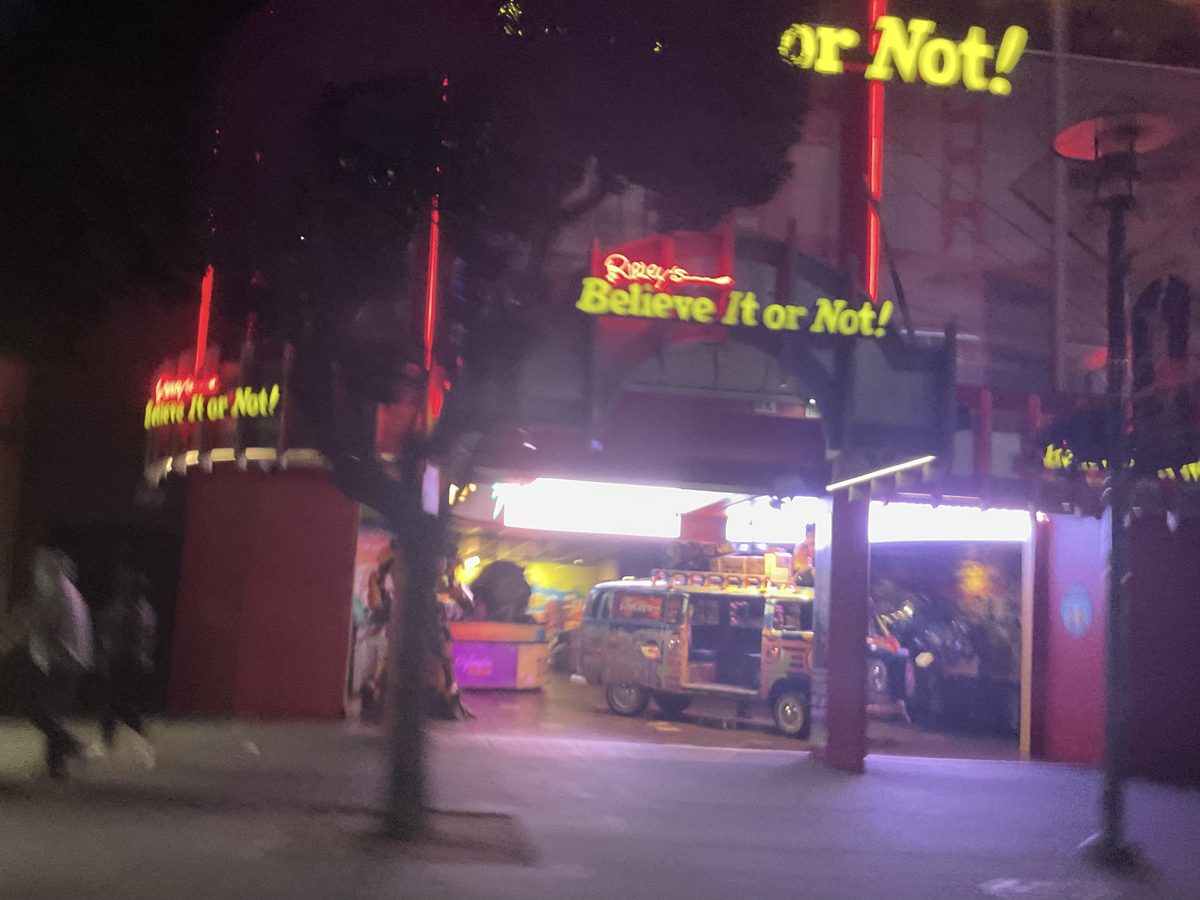
Ripley's Believe It or Not! announced September 22 that it will close its San Francisco Fisherman's Wharf attraction before the end of 2026. The museum, which opened in 1967, is one of the longest-running tenants in the district.

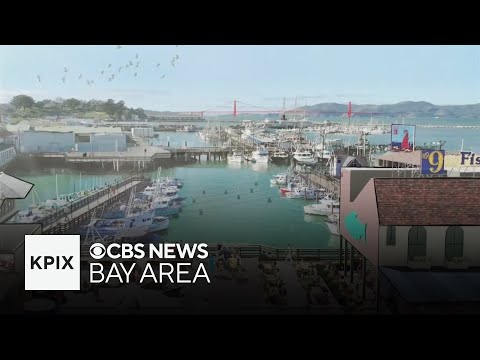
The closure follows the end of several other Wharf institutions, including Alioto's restaurant and the San Francisco Dungeon, as the Port of San Francisco undertakes a major redevelopment of the waterfront area.

Why it matters

The closure signals Fisherman's Wharf's shift away from quirky attractions toward planned public spaces, reshaping the city's top tourist district.

Questions about this story

Free account needed to ask — your question is kept and asked for you right after sign-up. Answers are public.

No questions yet — be the first to ask.

Key Indicators

59
Years Ripley's operated on Fisherman's Wharf
Opened in 1967, closing by end of 2026.
3
Major Wharf attractions closed since June 2021
San Francisco Dungeon, Cartoon Art Museum, and now Ripley's.
$332K
Back rent that triggered Fishermen's Grotto eviction
Port of San Francisco evicted the restaurant over unpaid rent.

Voices

Curated perspectives — historical figures and your fellow readers.

Ever wondered what historical figures would say about today's headlines?

Sign up to generate historical perspectives on this story.

People Involved

Organizations Involved

Timeline

January 1967 September 2026

4 events Latest: Yesterday
Tap a bar to jump to that date
  1. Ripley's announces closure

    Latest Announcement

    President Jim Pattison Jr. says the Fisherman's Wharf location will close before year's end, but does not give a final date.

  2. Cartoon Art Museum closes Wharf gallery

    Closure

    The museum leaves its Beach Street space, ending a 42-year run in San Francisco.

  3. San Francisco Dungeon closes

    Closure

    The immersive attraction on Jefferson Street shuts down, part of the pandemic-era exodus.

  4. Ripley's opens on Fisherman's Wharf

    Opening

    The Odditorium begins operations at 175 Jefferson St., featuring oddities and interactive exhibits.

Scenarios

1

Ripley's Returns to San Francisco in a New Location

Possible Resolves by End of 2027

Discussed by: Ripley's president Jim Pattison Jr. hinted at a possible return; local tourism analysts watch for announcements.

After closing, Ripley's negotiates a new lease at a different Fisherman's Wharf property or elsewhere in the city, perhaps aligned with the Port's redevelopment. The president's statement 'we might just be back' fuels this possibility. A confirmed new address would be announced on the company's website.

2

The Site Stays Vacant as Redevelopment Proceeds

Likely Resolves by End of 2028

Discussed by: Port officials and real estate analysts point to lingering vacancy in Port-owned properties elsewhere on the Wharf.

The 175 Jefferson St. building remains unoccupied for years as the Port focuses on other redevelopment projects like Alioto's Plaza. Demolition or adaptation into public space is delayed, leaving a prominent gap in the tourist strip.

3

Port Acquires Site and Creates a New Public Plaza

Unlikely Resolves by Q2 2027

Discussed by: The Port's success turning Alioto's into a plaza is a model cited by urban planning advocates.

In line with the Fisherman's Wharf Forward plan, the Port purchases or takes over the Ripley's building, demolishes it, and expands public gathering space near the Inner Lagoon, similar to the Alioto's transformation. This would accelerate the district's shift toward open, non-commercial areas.

Historical Context

2 moments from history that rhyme with this story — and how they unfolded.

October 1989 – 1991

Embarcadero Freeway Removal (1989–1991)

After the Loma Prieta earthquake damaged the double-deck Embarcadero Freeway, San Francisco tore it down instead of repairing it. The removal opened the waterfront to the city, leading to new parks, sidewalks, and development.

Then

Immediate construction disruptions and debates about traffic, but the waterfront became walkable and attractive.

Now

The area transformed from a highway barrier to a public destination, now a model for urban waterfront redevelopment.

Why this matters now

Like the freeway removal, the Fisherman's Wharf redevelopment is a deliberate public investment that prioritizes open space over commercial uses, fundamentally changing the character of a well-known tourist area.

1990s – 2000s

Times Square Renovation (1990s–2000s)

New York City partnered with developers to clean up Times Square, removing adult theaters, pawnshops, and dubious attractions. Corporate offices, chain stores, and family-friendly entertainment moved in.

Then

Crime fell and tourism boomed, but many long-time local businesses were displaced.

Now

The district became a safe, commercialized tourist magnet, losing much of its gritty, quirky character.

Why this matters now

Fisherman's Wharf's evolution mirrors this pattern: a public-private redevelopment that makes a district safer and more polished, while pushing out older, unique attractions like Ripley's.

Sources

(3)

More from San Francisco, CA

Openings, permits and council decisions in San Francisco, CA, in your inbox every Monday.