
Pull to refresh
Logo
San Francisco billionaire deposits $100 into Trump Accounts for city children

San Francisco billionaire deposits $100 into Trump Accounts for city children

Money Moves San Francisco, CA local

Neil Mehta put about $6 million into accounts for children born from 2016 to 2024; parents claim the money through a government app.

Overview

Updated 8 minutes ago

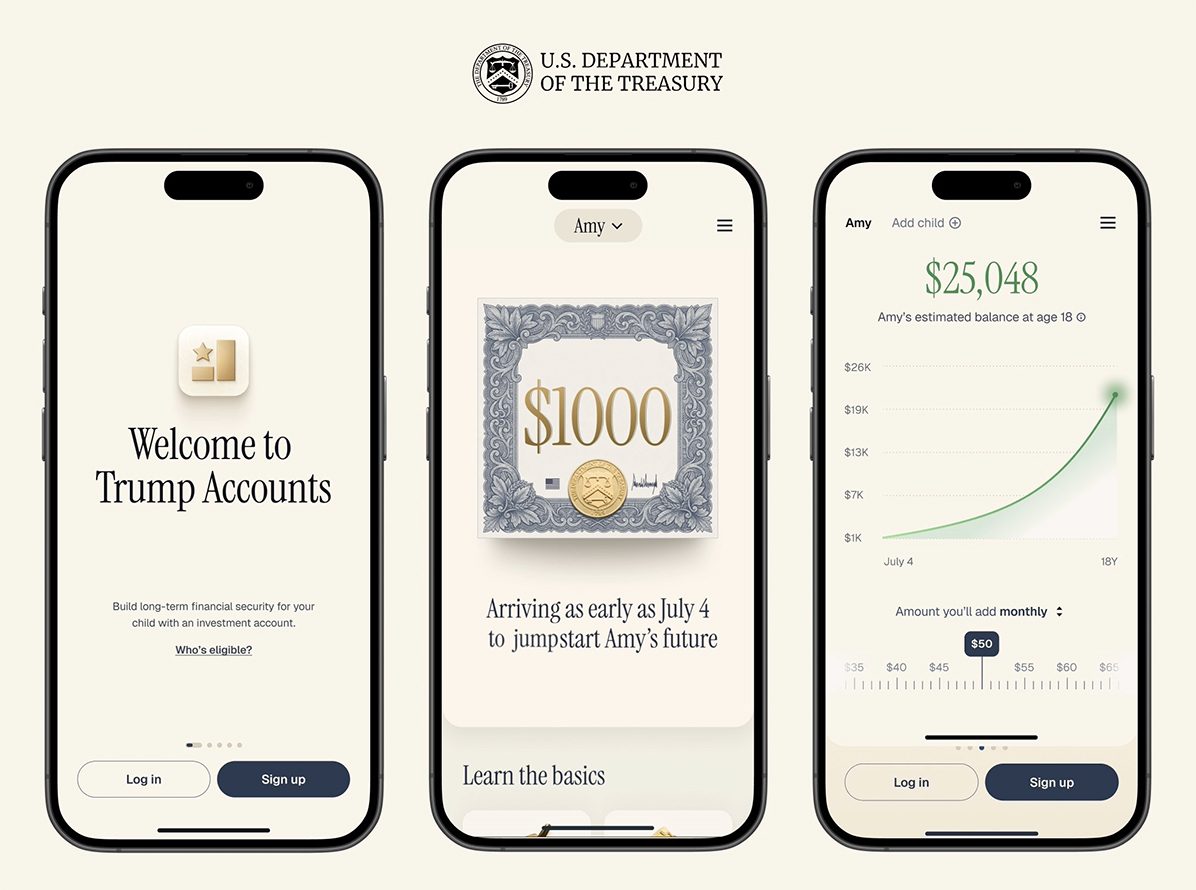
Neil Mehta, a San Francisco billionaire, put about $6 million into Trump Accounts for children born in the city between 2016 and 2024. Parents can claim $100 per eligible child through a government app.

The gift turns a private fortune into a citywide test of a federal savings vehicle. It also creates a new administrative step for families: the money exists, but only reaches them if they claim it.

Why it matters

A private donor is routing cash to San Francisco children through a federal savings system, testing whether philanthropy can scale through public infrastructure.

Last Monday's email for San Francisco, CA

Sent Nov 16. It carried:

Get next Monday's: one short email a week. Free. Unsubscribe in one click.

Questions about this story

Free account needed to ask — your question is kept and asked for you right after sign-up. Answers are public.

No questions yet — be the first to ask.

Key Indicators

$6M
Mehta's total deposit
About $6 million placed into Trump Accounts for eligible San Francisco children.
$100
Amount per eligible child
The sum parents can claim for each child born from 2016 through 2024.
9
Birth-year cohorts eligible
Children born from 2016 through 2024 fall within the reported eligibility window.

Voices

Curated perspectives — historical figures and your fellow readers.

Sign up to generate historical perspectives on this story.

People Involved

Organizations Involved

Timeline

1 event Latest: Today
  1. Mehta deposits $6 million into Trump Accounts for SF children

    Today Philanthropy

    The San Francisco Standard reports that billionaire Neil Mehta put about $6 million into Trump Accounts for children born in the city from 2016 to 2024. Parents can claim $100 per eligible child through a government app.

Scenarios

1

Most eligible San Francisco families claim the $100

Possible Resolves by Q2 2027

Discussed by: The San Francisco Standard, which reported the gift and the app-based claim process

If outreach reaches parents and the government app works, a majority of eligible children could receive the money. Uptake depends on awareness, app access and whether families trust the program.

2

Claim process stalls, leaving money unclaimed

Possible Resolves by End of 2027

Discussed by: The San Francisco Standard's reporting on the app-based claim mechanism

A government app adds a step between a deposited dollar and a family's account. If parents do not hear about the program, cannot navigate the app or distrust the process, a large share of the $6 million could sit unclaimed.

3

Another donor copies the model

Unlikely Resolves by End of 2028

Discussed by: No specific analyst named in the source; the scenario follows from the visible donor-to-public-account mechanism

Mehta's gift could become a template for other wealthy donors who want to move money through an existing government app rather than build a new charity. The trigger would be a second named donor funding Trump Accounts for a defined group of children.

Historical Context

2 moments from history that rhyme with this story — and how they unfolded.

2005-2011

UK Child Trust Fund (2005)

The United Kingdom gave every newborn a government-funded savings account, with an initial deposit and additional payments for lower-income families. Millions of accounts were opened before the program was closed to new births.

Then

The accounts created a universal savings vehicle for children and required parents to activate vouchers and manage accounts.

Now

The program was closed to new births in 2011 and replaced by Junior Individual Savings Accounts; existing accounts continued to mature.

Why this matters now

It shows that child savings accounts can put money in every newborn's name, but they depend on account infrastructure and can change with politics.

1982-present

Alaska Permanent Fund dividend (1982)

Alaska began paying an annual share of its oil-wealth fund to residents, turning a public asset into direct cash payments. Eligibility and amount have varied since.

Then

The dividend established a direct link between a public fund and individual Alaskans.

Now

It became a durable but contested model for universal cash payments, with debates over amount, eligibility and fiscal sustainability.

Why this matters now

It clarifies the core question in Mehta's gift: whether a public vehicle can deliver cash directly to individuals and how eligibility rules shape who receives it.

Sources

(1)