
Pull to refresh
Logo
San Francisco approves $55 million AI camera contract to ticket bus lane blockers

San Francisco approves $55 million AI camera contract to ticket bus lane blockers

Rule Changes San Francisco, CA local

The SFMTA board backed a Hayden AI deal to flag bus lane and bus stop violations, aiming to cite five times as many drivers. Supervisors must still sign off.

Overview

Updated 1 hour ago

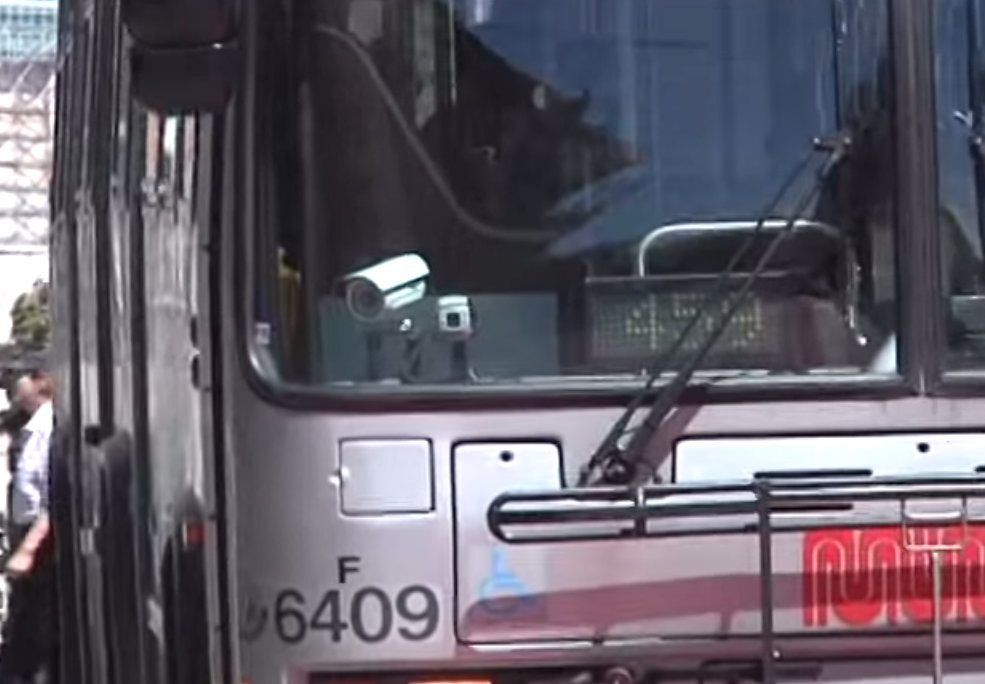
San Francisco has mounted cameras on Muni buses since 2008 to catch drivers parked in transit lanes. Two parking control officers still watch the footage by hand, producing about 20 citations a day. The city's transportation board voted to hand the searching to software.

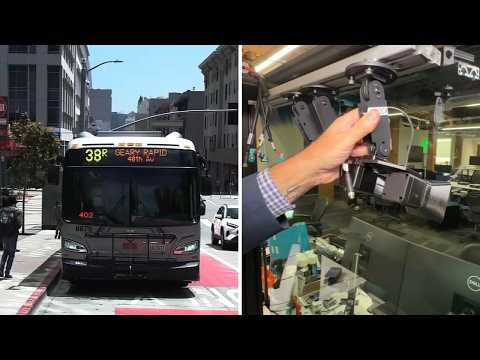
The contract with Hayden AI runs up to $55 million over three years, with three optional one-year extensions, and covers 212 buses. Onboard processing saves only clips of suspected violations and builds evidence packages for officers to review. The agency projects roughly 100 citations a day and about $5 million in annual revenue. Supervisors vote next, with enforcement targeted for July 2027.

Why it matters

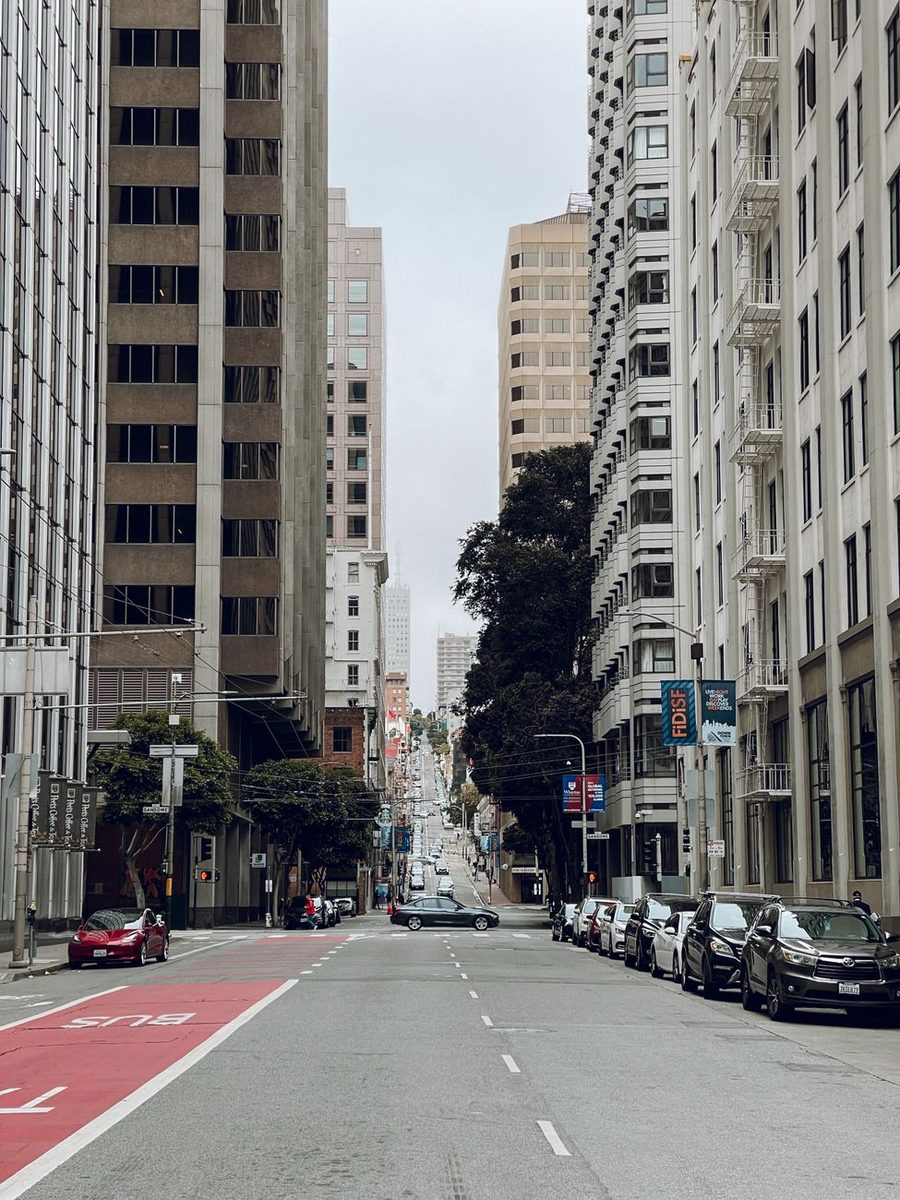
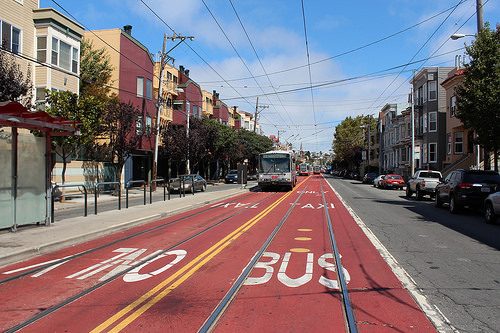
If it works, blocking a Muni lane gets five times more likely to draw a ticket, and 12 other US transit agencies already run the same system.

Last Monday's email for San Francisco, CA

Sent Nov 16. It carried:

Get next Monday's: one short email a week. Free. Unsubscribe in one click.

Questions about this story

Free account needed to ask — your question is kept and asked for you right after sign-up. Answers are public.

No questions yet — be the first to ask.

Key Indicators

$55M
Contract ceiling with Hayden AI
Three-year base term with three optional one-year extensions.
212
Muni buses in the initial deployment
Cameras mount behind the windshield and work while the bus moves.
100
Target citations per day
Up from roughly 20 a day, or 6,000 to 8,000 a year, under manual review.
$5M
Projected annual citation revenue
The agency expects fines to cover program costs.
$443
Fine for blocking a bus stop
Blocking a transit-only lane carries a $108 fine; the agency will review the schedule.

Voices

Curated perspectives — historical figures and your fellow readers.

Sign up to generate historical perspectives on this story.

People Involved

Organizations Involved

Timeline

2008 November 2026

3 events Latest: Yesterday
  1. Board approves $55 million Hayden AI contract

    Latest Decision

    SFMTA's board votes unanimously for the contract, covering 212 buses with three optional one-year extensions.

  2. Agency prices the upgrade at $15.6 million

    Planning

    SFMTA estimates the initial three-year contract at about $15.6 million, with a $2.5 million Caltrans grant covering installation.

  3. SFMTA puts enforcement cameras on buses

    Program launch

    San Francisco becomes the first US transit agency to mount cameras on buses to document transit lane violations.

Scenarios

1

Supervisors Approve the Contract, Tickets Start in July 2027

Likely Resolves by Aug 31, 2027

Discussed by: SFMTA staff and local outlets KQED, ABC 7 and The Voice of San Francisco, all of which report the February 2027 supervisor vote and July 2027 enforcement date as the working plan

The contract clears the Board of Supervisors without major changes. Installation begins on two test buses in March 2027, expands to 212 buses, and a 60-day warning period starts in May. Citations follow in July, and SFMTA begins reporting citation volumes against its 100-a-day target within the first quarter of enforcement.

2

Supervisors Delay or Attach Conditions to the Contract

Possible Resolves by Oct 31, 2027

Discussed by: Implied by the February 2027 vote requirement reported by KQED and ABC 7; no publication has predicted the outcome of that vote

Supervisors hold the contract over questions about surveillance, data retention or the fine schedule, pushing approval past the spring and out of the 2027 construction window. An amended term on data handling or a reduced citation target would also count, since either changes the program the board just approved.

3

Citation Volume Falls Short of the Five-Times Target

Possible Resolves by Q3 2028

Discussed by: No outside analyst has published a projection; the only figures available are SFMTA's own, from two officers at about 20 citations a day to a target of about 100

The cameras work but the numbers do not. Detection catches fewer violations than modeled, more flagged clips are dismissed on officer review, or drivers change behavior faster than expected. Any of these leaves annual citations well below the 30,000 implied by the agency's five-times projection.

4

A Privacy Challenge Stalls the Program

Unlikely Resolves by Q2 2028

Discussed by: The Electronic Frontier Foundation declined to comment on this system, but has criticized San Francisco's retention of automated license plate reader data

Advocates or a civil liberties group sue over data retention, blurring accuracy or the 15-day deletion rule, or push a supervisor to demand a surveillance ordinance review. A court order pausing enforcement or a city-mandated audit would test the program's timetable even if the contract survives.

Historical Context

3 moments from history that rhyme with this story — and how they unfolded.

2008

San Francisco's bus-mounted transit lane cameras (2008)

SFMTA equipped Muni buses with continuously recording cameras pointed at transit-only lanes, the first transit agency in the country to try it. Parking control officers had to pull footage off each bus and watch it to find violations.

Then

The agency issued a few thousand citations a year and credited the program with faster buses and fewer street injuries.

Now

Manual review capped the program's reach. By 2026, two officers handled the entire workload, producing about 20 citations a day.

Why this matters now

The new contract keeps the cameras and the legal authority, and replaces the review bottleneck with software that flags violations.

2019 onward

New York City's automated bus lane enforcement (2019 onward)

The Metropolitan Transportation Authority put cameras on buses to ticket drivers blocking bus lanes, then expanded the approach across routes. New York is now one of 12 transit agencies or municipalities that contract with Hayden AI, along with AC Transit in the East Bay.

Then

Camera enforcement became a standard tool for large transit systems trying to keep bus lanes clear without assigning officers to every block.

Now

The technology moved from pilot projects to purchased systems, which is why San Francisco is buying an existing product rather than developing one.

Why this matters now

San Francisco is adopting a system already running elsewhere, which lowers the technical risk but leaves the political and legal questions intact.

2026

San Francisco's automated speed camera pilot (2026)

The city deployed automated speed cameras that ticket drivers exceeding the limit at selected locations. SFMTA streets director Viktoriya Wise cited the pilot's drops in speeding as evidence that camera enforcement changes driver behavior.

Then

Speeding fell at camera locations, giving the agency a local example to point to during the bus camera hearing.

Now

The pilot is still running, so whether the effect holds once drivers learn where the cameras are is unresolved.

Why this matters now

The bus lane contract leans on the same premise: that consistent, automated enforcement changes habits rather than just raising revenue.

Sources

(4)