

Pull to refresh
Logo
Santa Clara council to weigh annexation and rezoning for 408-unit El Camino Real project

Santa Clara council to weigh annexation and rezoning for 408-unit El Camino Real project

Built World Santa Clara, CA local

A Tuesday vote would pre-zone land outside city limits and send the annexation to county regulators

Today: City posts agenda for El Camino Real annexation hearing

Overview

Updated 1 hour ago

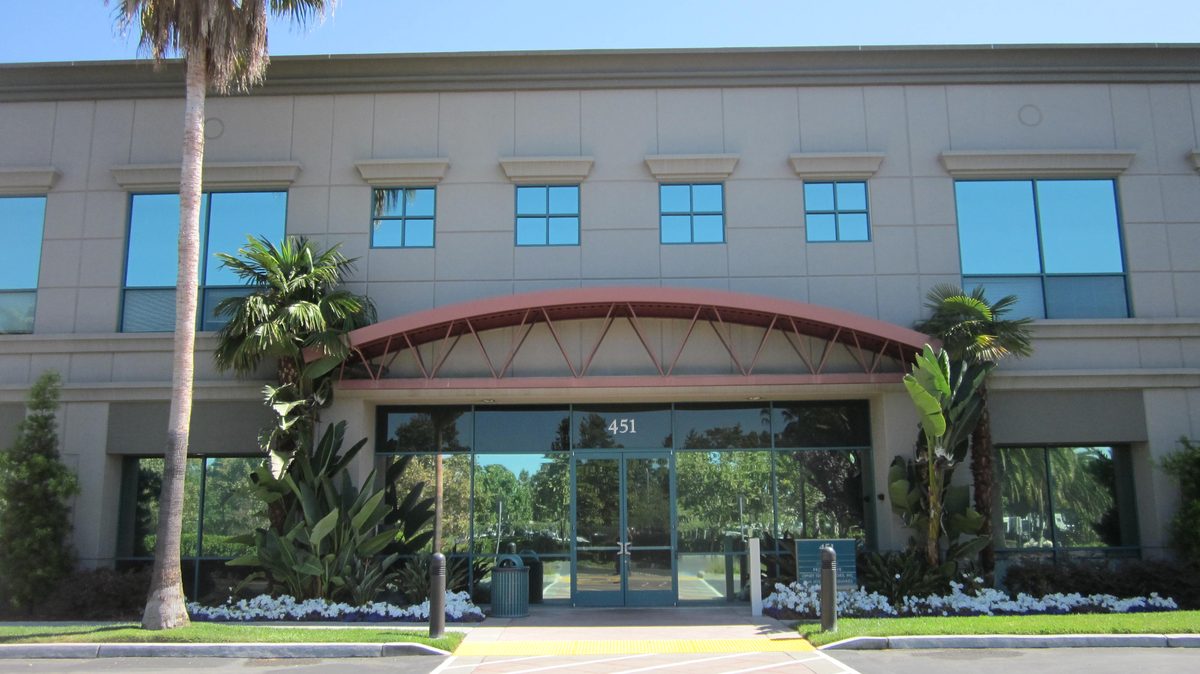
Santa Clara's city council is set to vote Tuesday on a plan to annex 451-475 El Camino Real and rezone it for 408 homes. The parcel sits outside city limits, so the city must pre-zone it and set a General Plan land-use designation before county regulators can approve the annexation.

The vote is one of the last local hurdles for a project that has finished a full environmental impact report. Approving it adds a sizable housing block along a busy Silicon Valley corridor. Rejecting it stalls the development for years.

Why it matters

Approval adds 408 homes in one of the nation's most supply-constrained markets and moves the land from county to city control.

Questions about this story

Free account needed to ask — your question is kept and asked for you right after sign-up. Answers are public.

No questions yet — be the first to ask.

Key Indicators

408
Proposed housing units
Residential units planned for 451-475 El Camino Real.
Sept. 22, 2026
Scheduled hearing date
City Council public hearing and vote on the annexation package.

Voices

Curated perspectives — historical figures and your fellow readers.

Ever wondered what historical figures would say about today's headlines?

Sign up to generate historical perspectives on this story.

Organizations Involved

Timeline

2 events Latest: Today
  1. Council hearing and vote scheduled

    Upcoming Hearing

    Council takes public comment and votes on the prezone, General Plan designation, annexation application, and tentative subdivision map.

  2. City posts agenda for El Camino Real annexation hearing

    Today Notice

    Santa Clara publishes a Sept. 22 hearing on pre-zoning 451-475 El Camino Real for 408 units and forwarding the annexation.

Scenarios

1

Council approves annexation package, project heads to LAFCO

Likely Resolves by Oct 31, 2026

Discussed by: Santa Clara city staff report on the agenda

The council approves the prezone, the General Plan land-use designation, and the annexation application, then forwards the file to the county's Local Agency Formation Commission. LAFCO holds its own hearing and votes within a few months. Approval there lets the 408-unit development proceed to subdivision and building permits.

2

Council continues the hearing for more review

Possible Resolves by Oct 31, 2026

Discussed by: Community members and council members requesting more traffic or service analysis

The council tables the item instead of voting, asking staff for more information or negotiating project changes. The hearing is rescheduled to a later date, delaying the annexation and any LAFCO review. This is common when opposition organizes before a hearing.

3

Council denies the annexation and rezoning

Unlikely Resolves by Oct 31, 2026

Discussed by: Opposition coalitions in similar Bay Area corridor projects

The council votes against the prezone and land-use designation, ending the annexation path. The 408-unit project stalls because the land stays under county jurisdiction with no city services agreement. A future council could revisit it, but only with a new application and new environmental review.

Historical Context

2 moments from history that rhyme with this story — and how they unfolded.

2010–2025

CEQA litigation over Bay Area housing (2010s–2020s)

Environmental impact reports for California housing projects routinely draw lawsuits from community groups over traffic, noise, and displacement. Several Silicon Valley projects spent years in court before breaking ground.

Then

Some projects were delayed or downsized; others won and proceeded after years of litigation.

Now

Developers and cities now build litigation risk into timelines, treating CEQA review as a front-line legal battle.

Why this matters now

This project's EIR is complete, but opponents could still sue over the rezoning or annexation, dragging out the exact path the council votes on Tuesday.

2017–2022

California housing streamlining laws (SB 35, 2017; AB 2011, 2022)

California created ministerial approval paths for qualifying housing projects to bypass discretionary local review, limiting cities' ability to reject multifamily development near transit and corridors.

Then

Hundreds of projects moved faster through the approval pipeline.

Now

Local councils lost some veto power, though annexations and General Plan changes still require discretionary votes.

Why this matters now

State law pushes Santa Clara toward approving more housing along El Camino Real, the kind of corridor the streamlining rules were designed to densify.

Sources

(2)