


Pull to refresh
Logo
Sateliot launches five more satellites for space-based 5G IoT network

Sateliot launches five more satellites for space-based 5G IoT network

New Capabilities

Draconis mission brings European operator to 11 satellites, doubling connection frequency for Internet of Things devices

Today: Draconis mission: five more satellites reach orbit

Overview

Updated 40 minutes ago

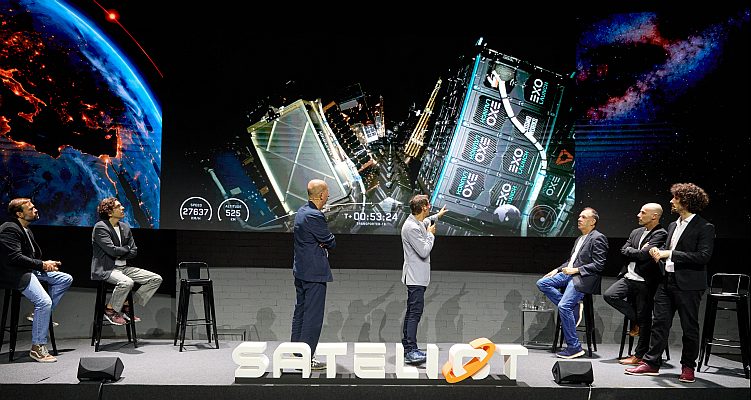
Connections to Internet of Things (IoT) devices in areas without cell towers just became twice as frequent. Five satellites launched Thursday for Sateliot, a Barcelona-based European operator, bringing its constellation to 11 spacecraft.

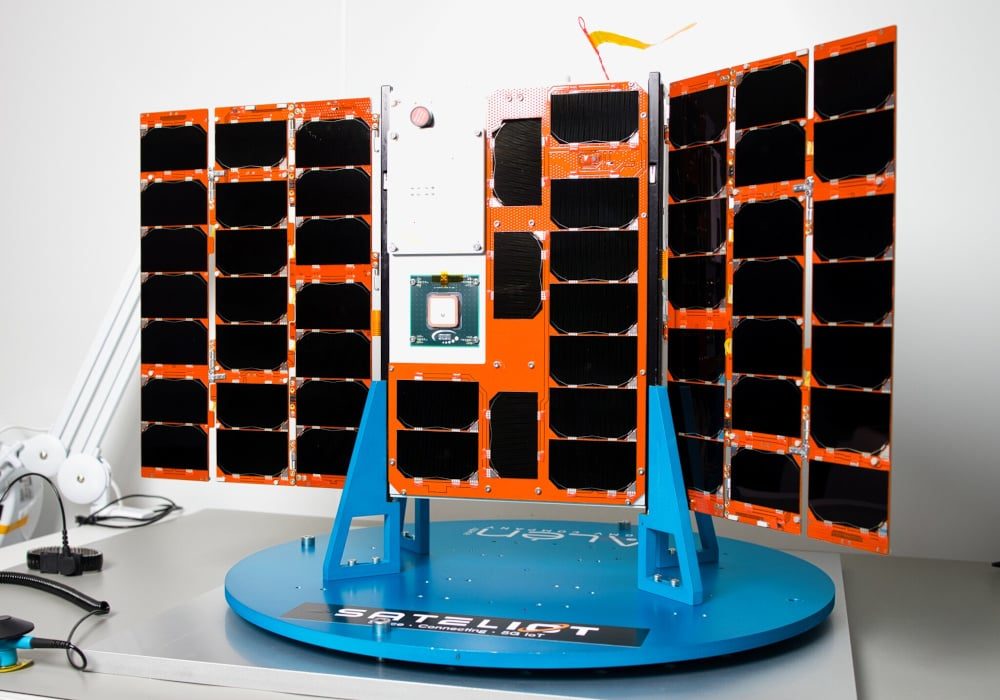
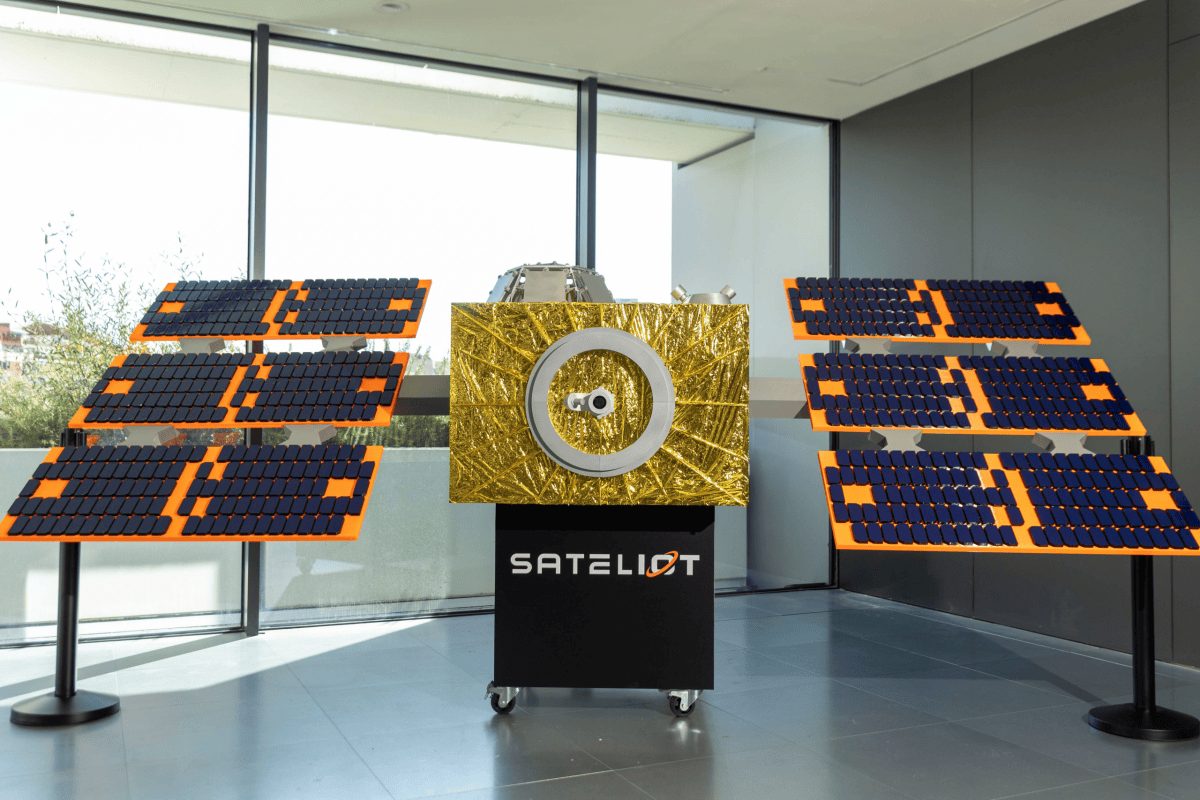
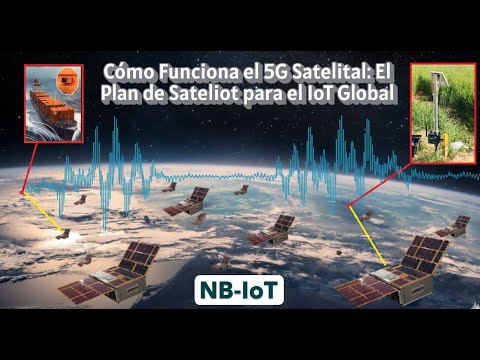
Each 10-kilogram satellite works like a telecom tower in space, extending mobile operators' coverage through wholesale agreements. Sateliot plans a constellation of more than 500 satellites and is racing to sign operators for its 5G non-terrestrial network.

Why it matters

Satellite IoT means sensors and trackers anywhere on Earth can stay connected without terrestrial towers, and Sateliot just doubled how often they can connect.

Questions about this story

Free account needed to ask — your question is kept and asked for you right after sign-up. Answers are public.

No questions yet — be the first to ask.

Key Indicators

11
Satellites in orbit
Total constellation after the Draconis mission.
500+
Planned constellation size
Sateliot's target for the full network across multiple generations.
510 km
Orbit altitude
Where the five new satellites operate.
2x
Daily satellite passes
Average daily passes double, and revisit time halves, for connected devices.

Voices

Curated perspectives — historical figures and your fellow readers.

Ever wondered what historical figures would say about today's headlines?

Sign up to generate historical perspectives on this story.

People Involved

Organizations Involved

Timeline

August 2024 October 2026

2 events Latest: Today
  1. Draconis mission: five more satellites reach orbit

    Today Launch

    Five satellites reach orbit on SpaceX Falcon 9, bringing the fleet to 11 and doubling daily passes.

  2. First Sateliot launch: four satellites enter orbit

    Launch

    First batch of Alén Space satellites launches on SpaceX's Transporter-11 mission, validating Sateliot's 5G NTN IoT technology.

Scenarios

1

Sateliot signs first major mobile operator for satellite IoT services

Possible Resolves by Q2 2027

Discussed by: Company announcements, mobile industry trade press

Sateliot's business model depends on mobile operators buying its satellite coverage wholesale and reselling it as IoT services. The company says technology validation is done and it is now scaling with operators. A named telecom operator publicly launching a commercial IoT service on Sateliot's network would confirm the model works. Sateliot's €500 million revenue forecast for 2030 depends on this adoption.

2

Sateliot's Tritó generation enters orbit with 5G NR NTN

Likely Resolves by End of 2027

Discussed by: Sateliot roadmap, PLD Space mission agreement, space industry press

From 2027, Sateliot plans the Tritó generation with 5G NR NTN technology, store-and-forward communications based on 3GPP Release 19, and multibeam phased-array antennas. The company has an agreement with PLD Space for a dedicated MIURA 5 mission. A Tritó satellite reaching orbit would confirm the next-generation roadmap is on track.

3

Sateliot closes €100 million Series C round

Possible Resolves by Q1 2027

Discussed by: Company statements, European tech press

Sateliot is working on a Series C round worth €100 million to accelerate deployment of its next technology generation. The company has raised roughly €100 million in earlier rounds. The round's outcome determines the pace of the 500-satellite constellation build-out and the Tritó transition.

Historical Context

2 moments from history that rhyme with this story — and how they unfolded.

1998-2000

Iridium satellite constellation (1998)

Iridium launched 77 satellites for a global satellite phone network, a bet of roughly $5 billion on low Earth orbit communications. The service worked technically, but the market did not materialize at the price point, and the company filed for bankruptcy in 1999.

Then

Service continued under new ownership for a fraction of the original investment.

Now

Iridium proved LEO constellations work; its collapse showed the danger of building huge capacity before demand exists.

Why this matters now

Sateliot is building toward 500 satellites in incremental batches, launching as technology matures and operators sign on. It is a deliberate contrast to Iridium's build-first, ask-questions-later approach.

2018-2021

Swarm Technologies (2018-2021)

Swarm began launching tiny SpaceBEE satellites, each about the size of a slice of bread, for low-bandwidth IoT connectivity. The company faced FCC penalties for launching without authorization, then was acquired by SpaceX in 2021.

Then

SpaceX folded Swarm's technology and team into its own satellite ambitions.

Now

Swarm validated that nanosatellites could provide affordable IoT connectivity, and showed that standalone IoT satellite operators may become acquisition targets.

Why this matters now

Sateliot's 10-kilogram satellites follow the same small-satellite IoT playbook Swarm pioneered, while aiming for a larger constellation and standard-based 5G interoperability that Swarm never attempted.

Sources

(5)