Pull to refresh
Logo
South Korea's Nuri rocket deploys five NEONSAT microsatellites

South Korea's Nuri rocket deploys five NEONSAT microsatellites

New Capabilities

Fifth flight moves Seoul closer to a 10-satellite constellation and a private-led space industry

Today: Fifth Nuri launch deploys five NEONSATs

Overview

Updated 1 hour ago

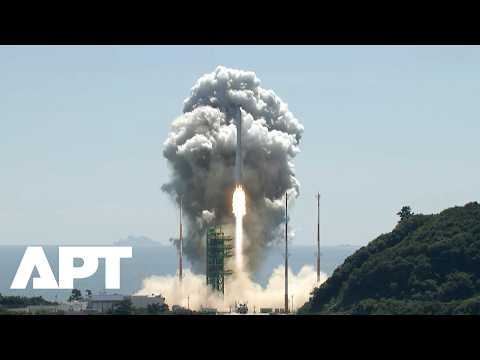
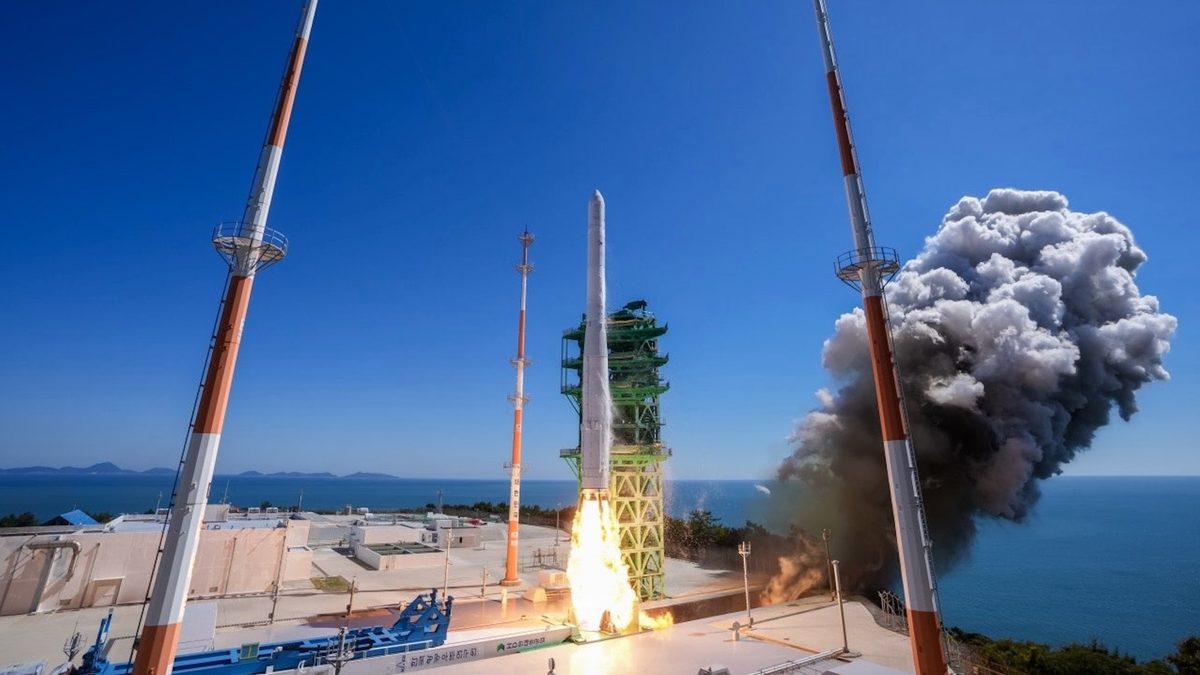
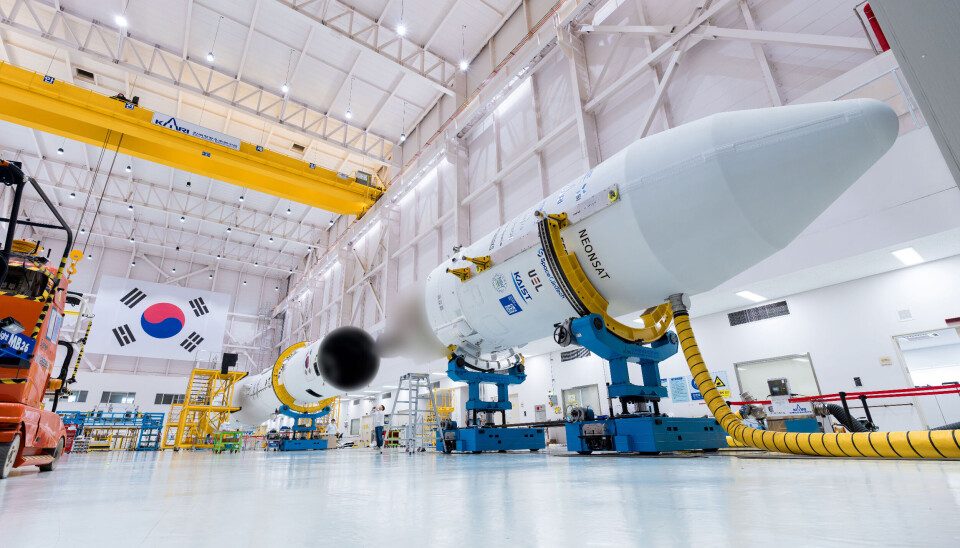
South Korea's homegrown Nuri rocket lifted off from Naro Space Center on Oct. 7 and dropped five NEONSAT microsatellites into orbit. It was the first time the rocket carried multiple primary satellites for a single constellation, and the first time it launched at its scheduled time.

The mission moves Seoul closer to a 10-satellite constellation that can image the Korean Peninsula more than three times a day. It also shifts rocket manufacturing and launch operations from government to private industry, with Hanwha Aerospace building the rocket and running most launch consoles.

Why it matters

South Korea's first domestic microsatellite constellation cuts reliance on foreign satellite imagery and pushes its space program toward commercial operations.

Questions about this story

Free account needed to ask — your question is kept and asked for you right after sign-up. Answers are public.

No questions yet — be the first to ask.

Key Indicators

5
Primary satellites deployed
NEONSAT units 2 through 6 released sequentially on the fifth Nuri flight.
80%
Nuri launch success rate
Four successes in five flights since the 2021 maiden failure.
10
Planned constellation size
Five more NEONSATs launch on the sixth flight in the second half of 2027.
3+
Imaging passes per day
Full constellation will image the Korean Peninsula more than three times daily.

Voices

Curated perspectives — historical figures and your fellow readers.

Ever wondered what historical figures would say about today's headlines?

Sign up to generate historical perspectives on this story.

People Involved

Organizations Involved

Timeline

October 2021 2029

8 events Latest: Today
Tap a bar to jump to that date
  1. Launch operations to become fully private

    Upcoming Transition

    Government oversight ends; Hanwha Aerospace takes full control of launch operations.

  2. Sixth Nuri flight to complete constellation

    Upcoming Planned Launch

    Remaining five NEONSATs scheduled to launch in the second half of 2027.

  3. Fifth Nuri launch deploys five NEONSATs

    Today Launch

    Nuri lifts off on schedule, deploys five NEONSAT microsatellites and nine CubeSats. All five satellites make initial contact.

  4. Fourth Nuri launch succeeds at night

    Launch

    Night launch succeeds with KARI staff operating consoles and Hanwha assisting.

  5. NEONSAT 1 reaches orbit

    Launch

    First NEONSAT microsatellite launched, beginning the constellation.

  6. Third Nuri launch succeeds

    Launch

    Nuri completes its third flight, continuing the success streak.

  7. Second Nuri launch succeeds

    Launch

    Nuri places test satellites into orbit on its second flight.

  8. Nuri maiden flight fails to reach orbit

    Launch

    First Nuri launch fails after third stage engine shut down early.

Scenarios

1

NEONSAT constellation completes with sixth Nuri flight in 2027

Likely Resolves by End of 2027

Discussed by: KASA officials and Korean space media

The sixth Nuri flight, scheduled for the second half of 2027, launches NEONSAT units 7 through 11. Once all 10 satellites are operational, the constellation images the Korean Peninsula more than three times a day with sub-meter resolution, meeting most public-sector demand for satellite imagery.

2

Nuri reaches commercial viability with 90%+ success rate

Possible Resolves by End of 2032

Discussed by: KASA Administrator Oh Tae-seog

KASA plans at least one Nuri launch per year through 2032. Oh said surpassing the 90% success rate the global market expects would likely take until the 11th flight. Each successful flight builds reliability data and attracts commercial customers.

3

Hanwha Aerospace takes over launch operations by 2029

Likely Resolves by End of 2029

Discussed by: KASA, Hanwha Aerospace

The government oversees launch operations through 2028, with fully private operations starting in 2029. Hanwha already operated 20 of 22 launch consoles on the fifth flight. KASA has asked Hanwha to improve production and operations efficiency.

Historical Context

2 moments from history that rhyme with this story — and how they unfolded.

March 2006 - September 2008

SpaceX Falcon 1 (2006-2008)

SpaceX's first rocket, Falcon 1, failed on its first three launch attempts before reaching orbit on the fourth try in September 2008. The company nearly ran out of money before that success.

Then

The fourth flight success secured a NASA contract and kept SpaceX alive.

Now

Falcon 1 proved private rockets could reach orbit, leading to the Falcon 9 and a commercial launch industry.

Why this matters now

Like SpaceX, South Korea's Nuri program absorbed early failure before building a success streak. The parallel shows how repeated flights build reliability and open commercial markets.

August 2001

Japan's H-IIA rocket (2001)

Japan launched its H-IIA rocket to secure independent access to space for national security and commercial satellites. The program followed a failed H-II launch in 1999.

Then

H-IIA became Japan's workhorse launcher for weather, navigation, and reconnaissance satellites.

Now

Japan maintained independent launch capability and later developed the H3 rocket to compete commercially.

Why this matters now

South Korea is following a similar path: building domestic launch capability for national security satellites while pushing toward commercial operations.

Sources

(6)