


Pull to refresh
Logo
Study finds new gas flares in Ecuador's Amazon despite court-ordered phase-out

Study finds new gas flares in Ecuador's Amazon despite court-ordered phase-out

Rule Changes

Satellite data and ground surveys identified 47 previously unmapped flare sites, and 51% of the sites Petroecuador reported dismantled were still burning.

Overview

Updated 1 hour ago

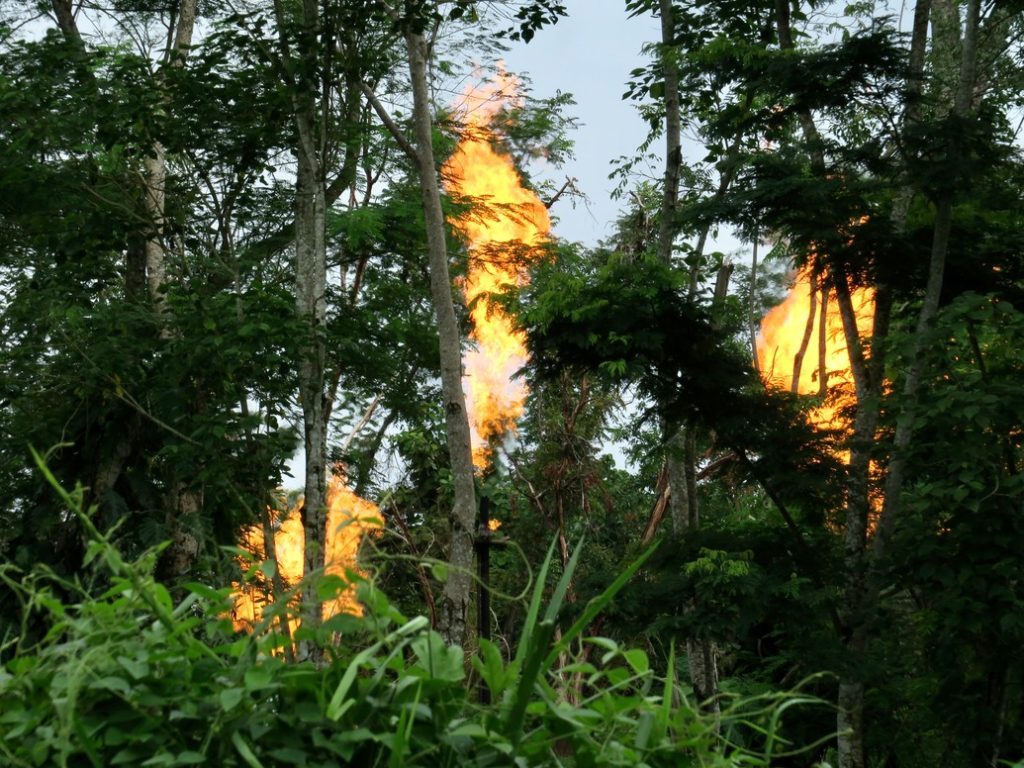
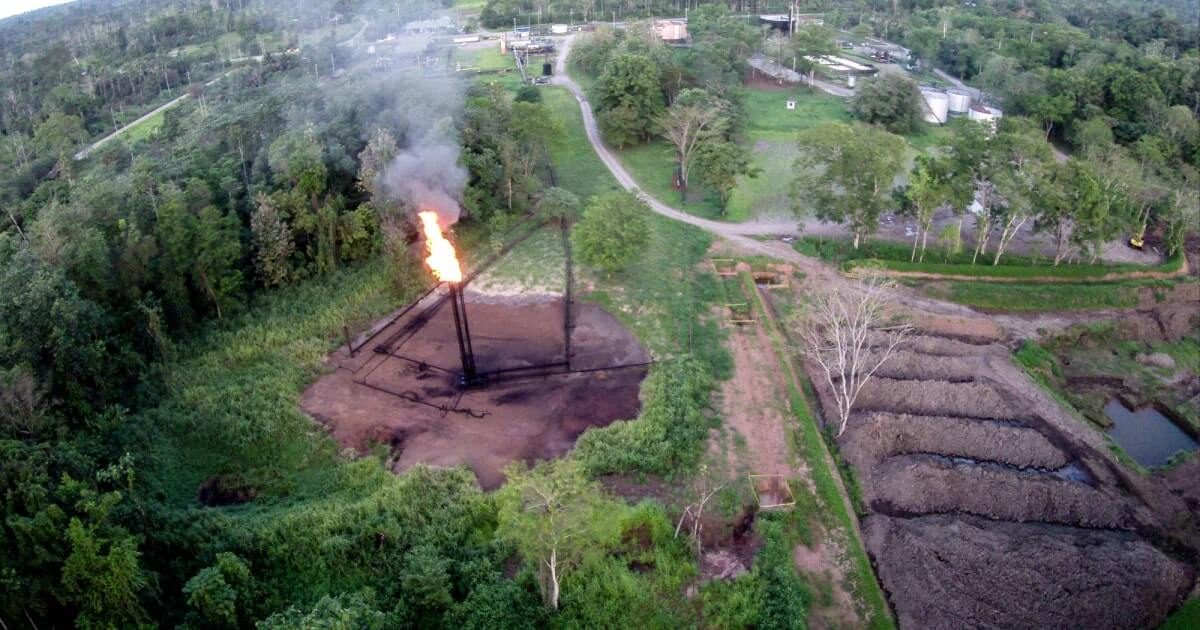
In July 2021, a court in Sucumbíos province, Ecuador, ordered the country to stop burning off surplus natural gas in the Amazon by 2030. A study published in September 2026 found flaring has not declined. Active flare sites rose from 58 in 2012 to 91 in 2024, and researchers found 47 sites missing from earlier inventories.

Of 110 flare sites the state oil company Petroecuador reported dismantled, researchers could independently check 72. Thirty-seven were still burning. The flares release methane, benzene and carbon dioxide into communities that sued over health effects.

Why it matters

Ecuador's courts ordered the flares shut by 2030. The state oil company is still expanding them, and the ruling has no clear enforcement mechanism.

Questions about this story

Free account needed to ask — your question is kept and asked for you right after sign-up. Answers are public.

No questions yet — be the first to ask.

Key Indicators

91
Active flare sites in 2024
Up from 58 in 2012, according to VIIRS satellite data and ground surveys.
47
New flare sites found
Sites absent from the 2019 ground-truthing dataset, concentrated in recently restarted oil blocks.
51%
Assessed 'dismantled' sites still active
37 of 72 sites Petroecuador reported dismantled were still burning when researchers checked.
198–252
Estimated potentially active flares
Updated inventory range for the Ecuadorian Amazon, against 91 sites confirmed dismantled.
34%
Flared volume above 2021 level
World Bank data show 2025 volumes remained 34% above 2021, despite a 9% drop from 2024.
486
Gas flares in the Ecuadorian Amazon in 2023
424 operated by Petroecuador and 62 by private companies, per environment ministry figures.

Voices

Curated perspectives — historical figures and your fellow readers.

Sign up to generate historical perspectives on this story.

People Involved

Organizations Involved

Timeline

2020 November 2026

8 events Latest: Today
Tap a bar to jump to that date
  1. Science reports on flaring enforcement gap

    Today Report

    The magazine summarized the study and the legal fight over whether Ecuador is complying.

  2. Study finds 47 unmapped flare sites

    Study

    Researchers also found 37 of 72 reported-dismantled sites still active and flared volumes up since 2021.

  3. Petroecuador reports 183 flares eliminated

    Statement

    The company pledged $600 million more; Amnesty found three sites near plaintiffs' homes still active.

  4. Amnesty maps 52 flares near towns

    Report

    The rights group documented flares within five kilometres of populated areas, a distance pollutants can travel.

  5. First-phase deadline passes with two flares closed

    Compliance

    Authorities considered the deadline met after eliminating two flares under the 100-metre rule.

  6. Ministry narrows 'near populated areas' rule

    Regulation

    Only flares within 100 metres of at least 20 adjacent homes counted as near a populated area.

Scenarios

1

Ecuador misses the 2030 deadline with flares still burning

Likely Resolves by Q1 2031

Discussed by: Fernando Facchinelli and Amnesty International, which documented continued flaring in 2024 and 2026

The state oil company keeps expanding flaring into newly restarted oil blocks, and neither the courts nor the environment ministry imposes a penalty that changes its economics. Satellite inventories after 2030 continue to record active flares, including some near towns. The ruling remains on the books but unenforced.

2

Petroecuador shuts down all remaining flares before 2030

Unlikely Resolves by End of 2030

Discussed by: Petroecuador, which reported eliminating 183 flares by July 2026 and committed $600 million to the program

The company accelerates decommissioning, connects gas to the grid or reinjects it, and independent monitoring confirms the sites are closed. This would require the satellite and ground evidence to converge, since past company reports of dismantled flares did not match what researchers found on the ground.

3

Court imposes new enforcement measures on Petroecuador

Possible Resolves by End of 2027

Discussed by: Pablo Fajardo and the plaintiffs in the 2020 case

The plaintiffs return to the Sucumbíos court with the new satellite and ground evidence, arguing the company misreported shutdowns. A judge issues a new order, fine or sanction, or appoints an independent monitor. Whether the government carries it out is a separate question.

Historical Context

2 moments from history that rhyme with this story — and how they unfolded.

1993–2011

Chevron in Lago Agrio (1993–2011)

Residents of the Ecuadorian Amazon sued Texaco, later bought by Chevron, over contamination from oil drilling. In 2011 an Ecuadorian court ruled for the plaintiffs and ordered a multibillion-dollar remediation. Chevron refused to pay.

Then

Chevron took the dispute to international arbitration rather than accepting the judgment.

Now

In 2014 an arbitration tribunal found the Ecuadorian judgment unenforceable, and the plaintiffs have collected nothing.

Why this matters now

It is the same region and the same enforcement problem: an Ecuadorian court ruling against an oil company that the company could outlast.

2015–2030

World Bank Zero Routine Flaring by 2030 (2015)

The World Bank launched a voluntary initiative asking governments and oil companies to stop routine flaring by 2030. It publishes annual satellite-based tracking of flared volumes.

Then

Many countries and companies signed on, but the Colorado School of Mines has reported increasing numbers of flares worldwide.

Now

The 2030 target now serves as the benchmark against which national pledges, including Ecuador's court order, are measured.

Why this matters now

Ecuador's court deadline is the same year as the voluntary global target, and the same satellite data is used to check both.

Sources

(5)