
Pull to refresh
Logo
Calorie-burning drug raises energy use without switching on brown fat

Calorie-burning drug raises energy use without switching on brown fat

New Capabilities

A Basel trial gave volunteers fenoterol and cold exposure. Both burned more energy; only cold lit up brown fat on PET scans.

Overview

Updated 53 minutes ago

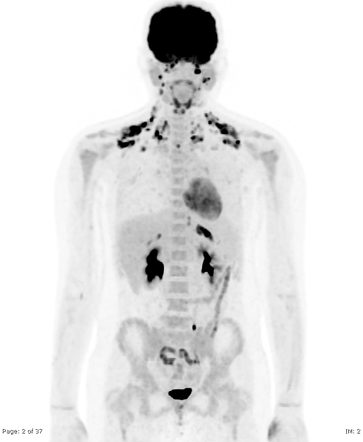
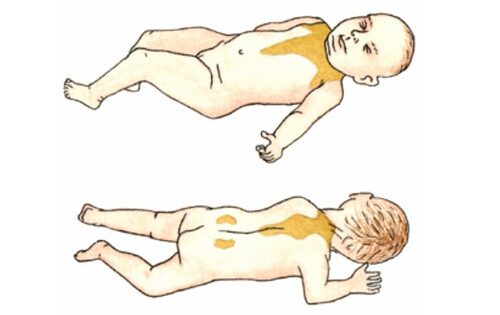
Until 2009, adult humans were assumed to carry no useful brown fat. Then PET scans found small depots in the neck that burned glucose in the cold, and the hunt for an obesity drug narrowed to one question: which receptor switches that tissue on?

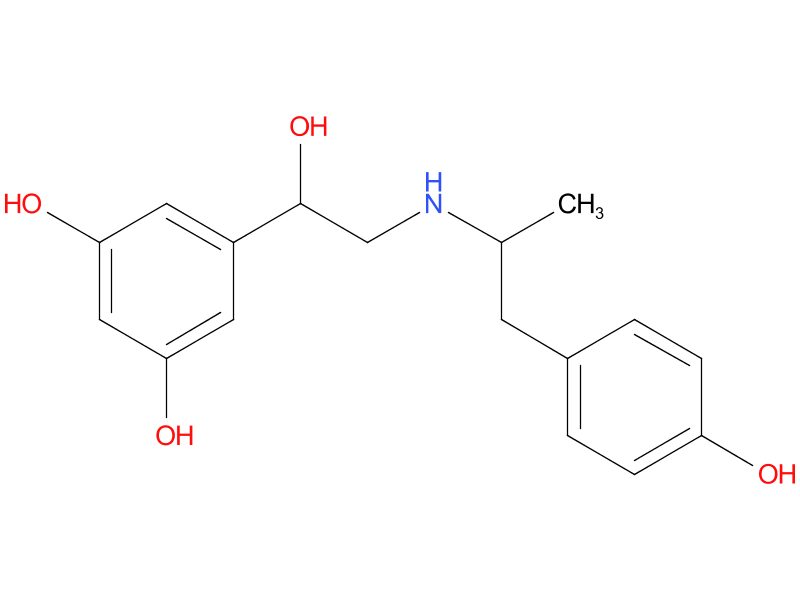
A team at the University of Basel tested the leading candidate, the beta2 adrenergic receptor. Fenoterol, a drug that stimulates it, raised whole-body energy expenditure about as much as mild cold. The PET scans showed almost no brown fat activity, so the extra calories were burned somewhere else.

Why it matters

If calorie burn can be raised without brown fat, obesity drugs gain a second lever. The tissue that provides it is still unknown.

Questions about this story

Free account needed to ask — your question is kept and asked for you right after sign-up. Answers are public.

No questions yet — be the first to ask.

Key Indicators

83 mL
Brown fat volume activated by cold
Median volume of glucose-hungry fat on PET after cold exposure, against 5 mL after fenoterol.
30×
More tracer taken up by brown fat after cold
Cold pushed roughly 30 times more FDG into the supraclavicular depot than the drug did.
3.13 vs 1.75
Average PET signal in brown fat (SUV)
Cold exposure nearly doubled tracer uptake in the depot compared with fenoterol infusion.
12
Healthy volunteers in the trial
Each participant underwent both cold exposure and fenoterol infusion in separate experiments.

Voices

Curated perspectives — historical figures and your fellow readers.

Sign up to generate historical perspectives on this story.

People Involved

Organizations Involved

Timeline

2024 November 2026

2 events Latest: Yesterday
  1. Cell Metabolism publishes the fenoterol trial

    Latest Study

    A dozen healthy volunteers received cold exposure and fenoterol. Both raised energy expenditure; only cold produced clear brown fat glucose uptake.

  2. Early fenoterol data presented at endocrine congress

    Conference

    A congress abstract reports that fenoterol raises resting energy expenditure in humans without signs of brown fat activation.

Scenarios

1

Brown fat drug tested with two receptors instead of one

Possible Resolves by Q2 2029

Discussed by: The Basel authors, who write that full activation may require multiple receptors or co-transmitters

The paper's own conclusion is that single-receptor drugs have repeatedly fallen short in humans, and that beta3 expression, not beta2, tracks the thermogenic marker UCP1. A combination approach would pair a beta3 agonist with a second signal, or test whether cold recruits a receptor the drug screens have missed. The obstacle is dose: beta3 agonists already hit heart rate and blood pressure limits at the doses that activate fat.

2

Follow-up study pins the fenoterol burn on skeletal muscle

Possible Resolves by End of 2028

Discussed by: The Basel authors, who name skeletal muscle, white fat and liver as likely sites

The trial measured whole-body energy use but not which organ spent it. A follow-up with organ-specific measurement, such as imaging that includes the liver or muscle biopsies during infusion, could settle the question. If muscle is the source, thermogenic drugs stop being a fat-tissue problem and become a muscle problem, which changes which patients and which safety risks matter.

3

No approved obesity drug works by activating brown fat

Likely Resolves by End of 2030

Discussed by: The pattern of prior single-receptor failures described in the paper's discussion

Every clinical attempt to turn on human brown fat with one receptor has either failed to show activation or run into cardiovascular limits. Meanwhile appetite-suppressing drugs already deliver large weight loss, which lowers the commercial case for a thermogenic pill with unknown tissue targets. The default outcome is that brown fat stays a research target while obesity treatment stays hormonal.

Historical Context

3 moments from history that rhyme with this story — and how they unfolded.

April 2009

Active brown fat found in adults (2009)

Three independent research groups used FDG-PET scans to show that adults carry metabolically active brown fat in the neck and upper chest, not just infants. The tissue took up glucose when people were cold.

Then

Brown fat became an obesity target within months, and PET imaging became the standard way to measure it.

Now

A decade of receptor-hunting followed, with the assumption that one switch controlled the tissue.

Why this matters now

The receptor hypothesis the Basel team tested exists because of those scans, and the same imaging method is what failed to find activation from fenoterol.

2015

Mirabegron activates brown fat, at a cardiovascular cost (2015)

Researchers tested mirabegron, a beta3 agonist already approved for overactive bladder, in healthy men. At higher doses it turned on brown fat, and heart rate and blood pressure rose with it.

Then

No obesity program followed; the drug stayed a bladder treatment.

Now

Beta3 agonism remained biologically plausible but dose-limited by cardiac effects, which pushed researchers toward other receptors.

Why this matters now

It explains why the Basel group tested beta2 instead, and why any drug that raises calorie burn faces a safety ceiling set by the heart.

1930s

Dinitrophenol, the uncoupling diet drug (1930s)

Dinitrophenol made mitochondria waste energy as heat and was sold widely for weight loss. It also caused cataracts, nerve damage and deaths.

Then

U.S. regulators banned it in 1938 under a new food and drug law.

Now

It became the standard cautionary case for raising energy expenditure with a chemical.

Why this matters now

Burning more calories is easy. Burning them in a chosen tissue, without harm, is the part that has defeated every attempt so far.

Sources

(3)