


Pull to refresh
Logo
Europe's ancient vegetation was a woodland-grassland mosaic, study finds

Europe's ancient vegetation was a woodland-grassland mosaic, study finds

New Capabilities

A 23-million-year review says dense forests became dominant only after large herbivores declined, raising questions for reforestation subsidies.

Overview

Updated 1 hour ago

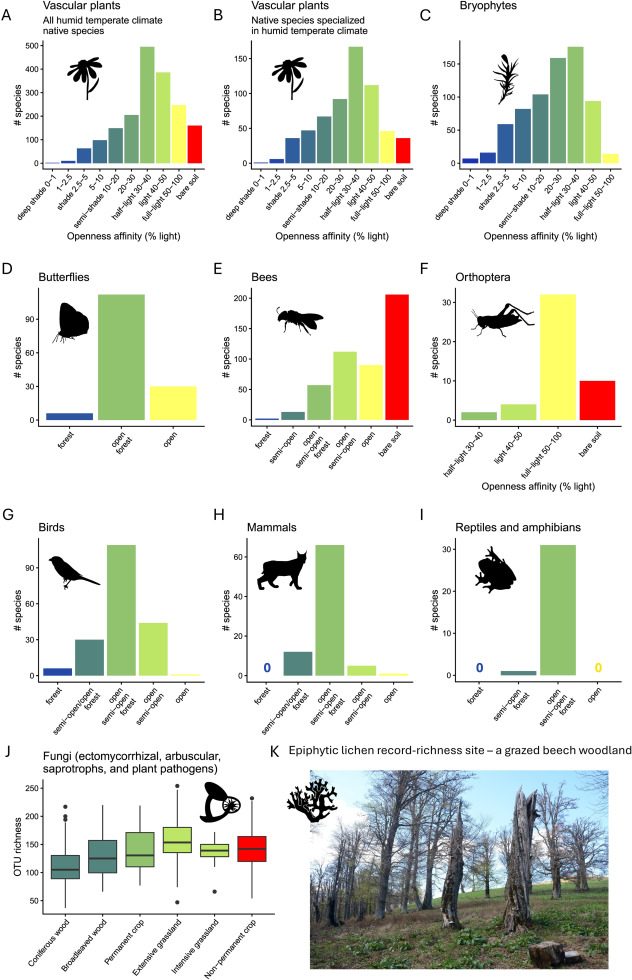
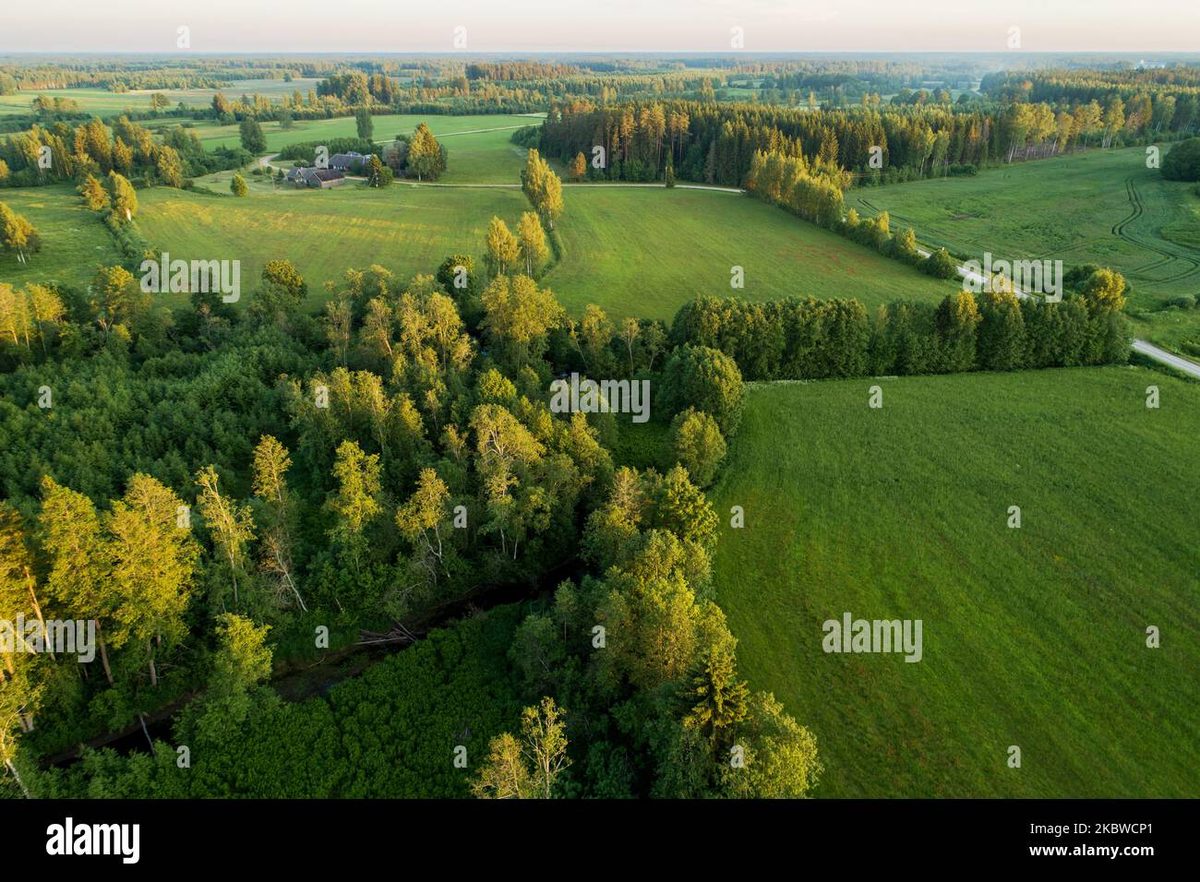
European countries pay landowners to plant dense forests for carbon storage and biodiversity. A review of 23 million years of fossil pollen, charcoal, teeth and ancient DNA says that baseline is wrong. Before large herbivores declined, much of Europe was a mix of open woodland, meadow and grass.

The authors say dense closed-canopy forest is a recent condition, not the continent's natural state. That finding puts a scientific question under subsidy rules that often pay only for dense planting. If the authors are right, some projects could shrink the open habitats many European species evolved in.

Why it matters

Reforestation subsidies that pay only for dense planting may work against the open habitats many European species evolved in.

Questions about this story

Free account needed to ask — your question is kept and asked for you right after sign-up. Answers are public.

No questions yet — be the first to ask.

Key Indicators

23M
Years of paleoecological evidence reviewed
The study spans the Miocene through the pre-industrial era.
100
Years since traditional grazing declined sharply
The study says the largest vegetation shift came in the past century.

Voices

Curated perspectives — historical figures and your fellow readers.

Sign up to generate historical perspectives on this story.

People Involved

Organizations Involved

Timeline

February 2026 November 2026

2 events Latest: Yesterday
  1. ScienceDaily reports the review's challenge to forest restoration

    Latest Media

    ScienceDaily summarizes the finding that Europe was mostly open woodland and meadow, not closed forest.

  2. Review published in Biological Conservation

    Publication

    Aarhus University-led team publishes a synthesis of 23 million years of European vegetation evidence.

Scenarios

1

A national subsidy opens to woodland-grassland mosaics

Possible Resolves by End of 2027

Discussed by: Study authors and European conservation groups

Denmark and other European Union members review rural subsidy rules under the Common Agricultural Policy. If one member state rewrites its scheme to fund open woodland, meadow or grazing restoration, the study's baseline argument gains policy traction.

2

Dense-forest subsidies survive unchanged

Likely Resolves by End of 2027

Discussed by: Farm ministries and policy analysts

Reforestation money is tied to carbon accounting and timber goals, which favor dense planting. If no major program changes by the deadline, the study remains a scientific critique without a policy effect.

3

A rewilding project expands wild herbivores to keep land open

Possible Resolves by End of 2028

Discussed by: Rewilding Europe and ECONOVO researchers

Rewilding groups have tested large herbivores as tools for maintaining open habitats. A project that reports new wild herbivore populations would put the study's mechanism into practice.

Historical Context

3 moments from history that rhyme with this story — and how they unfolded.

Late Pleistocene

Pleistocene megafauna collapse

Large plant-eating animals declined across Europe. The review says tree cover expanded as grazing and browsing pressure fell.

Then

Closed-canopy forest became more common.

Now

The open woodland baseline shrank, but did not disappear everywhere.

Why this matters now

The study uses this shift to argue that today's dense forests are partly a post-megafauna condition.

Neolithic

European Neolithic transition

Farming communities brought domestic grazing animals. The review says this partly recreated the disturbance dynamics that wild large herbivores had provided.

Then

Open habitats persisted under cultural management.

Now

Humans also introduced new drivers that produced ecosystems without historical analogues.

Why this matters now

Modern restoration cannot return to the ancient baseline simply by removing human management.

20th century

Decline of traditional extensive grazing

Traditional grazing disappeared from large parts of Europe, especially in the last hundred years, according to the study.

Then

Vegetation grew denser across many areas.

Now

Closed forest became the common natural reference point.

Why this matters now

This recent shift helps explain why dense forest looks like Europe's original state.

Sources

(2)