

1797-1798
Cavendish experiment (1798)
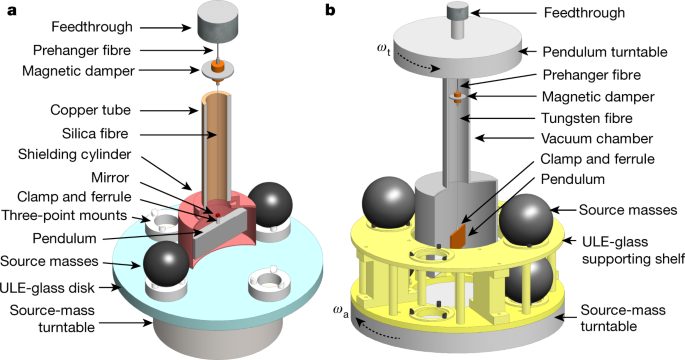
Henry Cavendish measured the gravitational attraction between lead spheres using a torsion balance, suspending a rod of masses from a fine wire and measuring its twist.
Then
His result gave the first useful value for the density of Earth and the gravitational constant.
Now
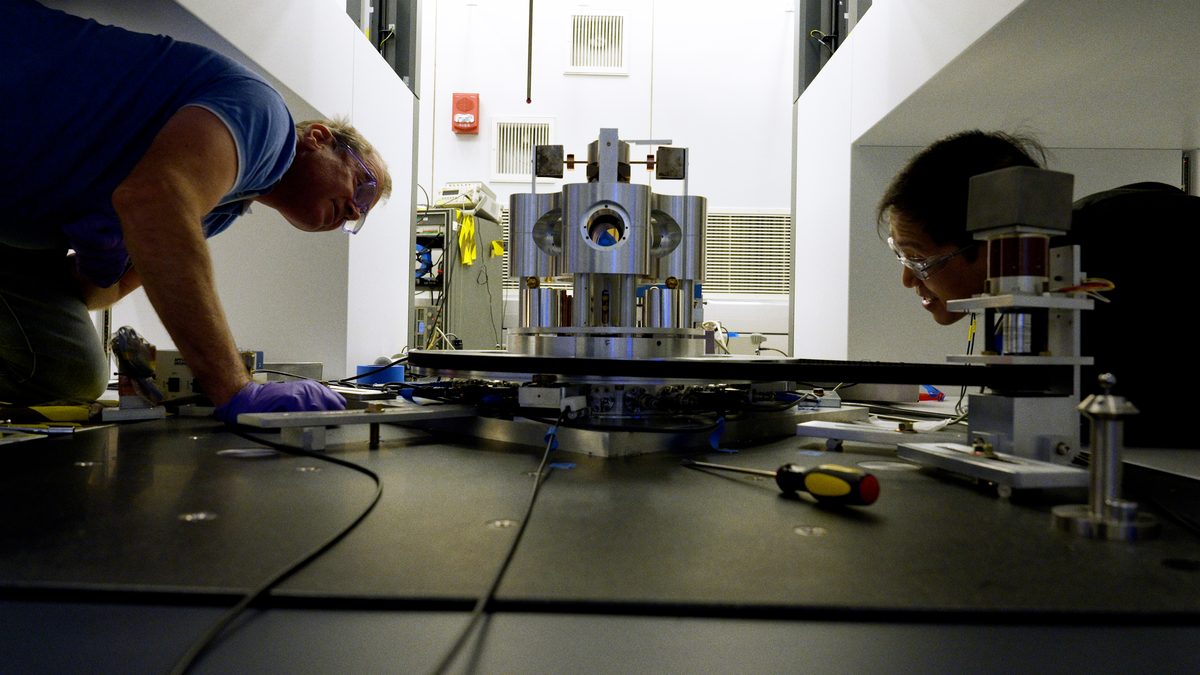
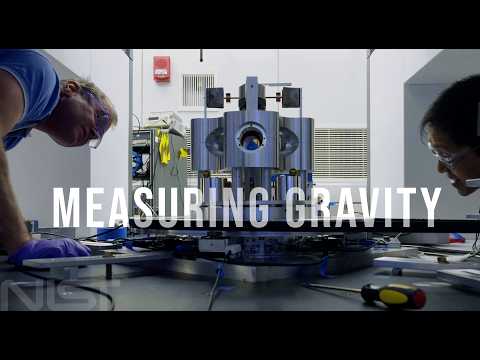
The torsion balance method has been refined for 228 years and still underlies how we measure gravity's strength today, including the NIST and BIPM experiments.
Why this matters now
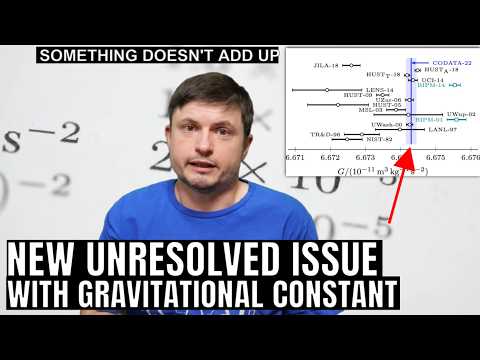
Every modern big G experiment, including the one in dispute, descends directly from Cavendish's apparatus.