
Pull to refresh
Logo
Daily Brief
Following
Why
Supreme Court to define who counts as a 'consumer' under video privacy law

Supreme Court to define who counts as a 'consumer' under video privacy law

Rule Changes
By Newzino Staff | |

A 1988 law written to protect VHS rental records now threatens billions in liability for media companies using tracking pixels

January 26th, 2026: Supreme Court Grants Certiorari

Overview

Congress passed the Video Privacy Protection Act in 1988 after a reporter published Supreme Court nominee Robert Bork's video rental history. Thirty-eight years later, the law has become the basis for hundreds of class action lawsuits against media companies using tracking pixels on their websites—and the Supreme Court just agreed to decide who can sue under it.

The case turns on a single word: 'consumer.' The Second and Seventh Circuits say anyone who signs up for any service from a company that also offers video content qualifies. The Sixth Circuit says only people who subscribe specifically to video content count. With statutory damages of $2,500 per violation and thousands of pending lawsuits, the answer could mean billions in liability—or the end of an entire category of privacy litigation.

Key Indicators

250+
VPPA Class Actions Filed in 2024
An 82% increase from 137 cases filed in 2023
$2,500
Statutory Damages Per Violation
Multiplied across class members, exposure can reach billions
47%
Websites Using Meta Pixel
Including 55% of S&P 500 companies
3
Circuit Courts Split
Second and Seventh Circuits favor plaintiffs; Sixth Circuit favors defendants

Interactive

Exploring all sides of a story is often best achieved with Play.

George Orwell

George Orwell

(1903-1950) · Modernist · satire

Fictional AI pastiche — not real quote.

"A law born from exposing what a man watched has become a weapon wielded not by citizens seeking privacy, but by lawyers seeking profit. The courts now argue over the meaning of 'consumer' with the same fervor once reserved for 'freedom' or 'justice'—proof that when language becomes valuable enough, its meaning will be tortured until it confesses to anything."

Ever wondered what historical figures would say about today's headlines?

Sign up to generate historical perspectives on this story.

Sign Up

Debate Arena

Two rounds, two personas, one winner. You set the crossfire.

People Involved

Michael Salazar
Michael Salazar
Lead Plaintiff in Multiple VPPA Cases (Petitioner before the Supreme Court)
Brandon Wise
Brandon Wise
Lead Plaintiffs' Attorney (Representing Salazar before the Supreme Court)

Organizations Involved

Paramount Global
Paramount Global
Media Conglomerate
Status: Respondent in Supreme Court case

A global media and entertainment company that owns CBS, MTV, Nickelodeon, Paramount Pictures, and 247Sports.

Meta Platforms
Meta Platforms
Public Technology Company
Status: Third party in VPPA litigation wave

Owner of Facebook, Instagram, and WhatsApp, whose Meta Pixel tracking tool is central to most VPPA lawsuits.

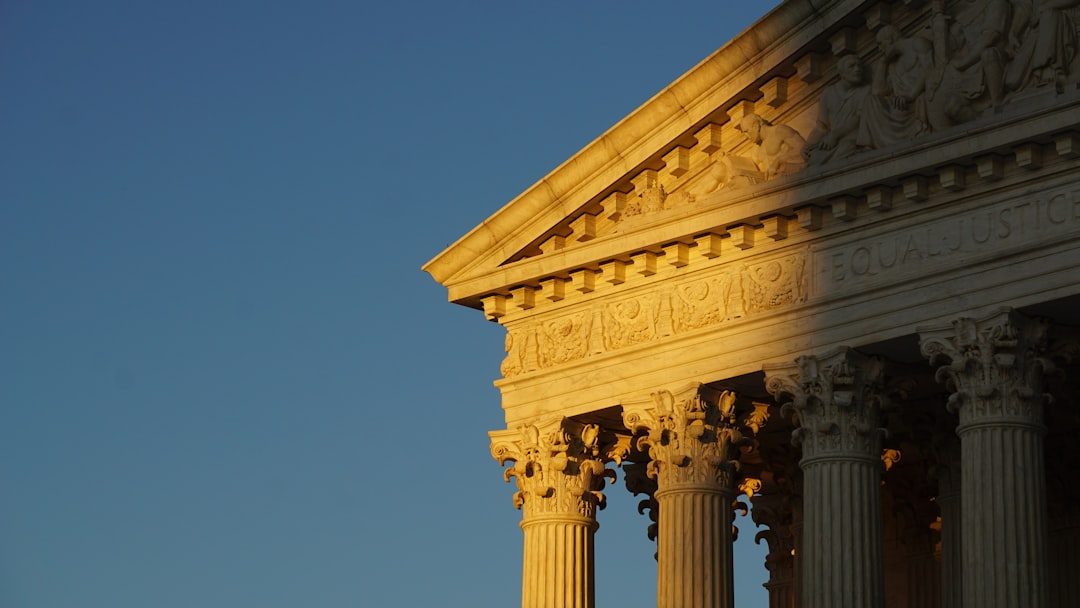
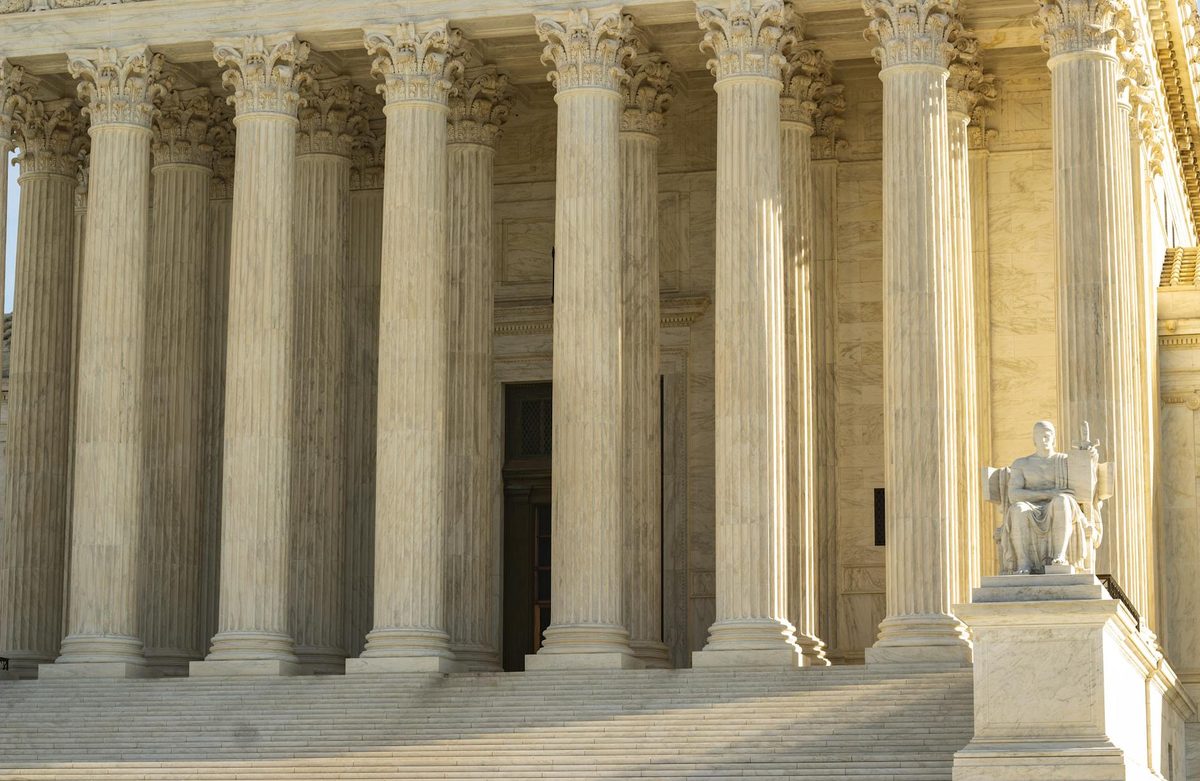
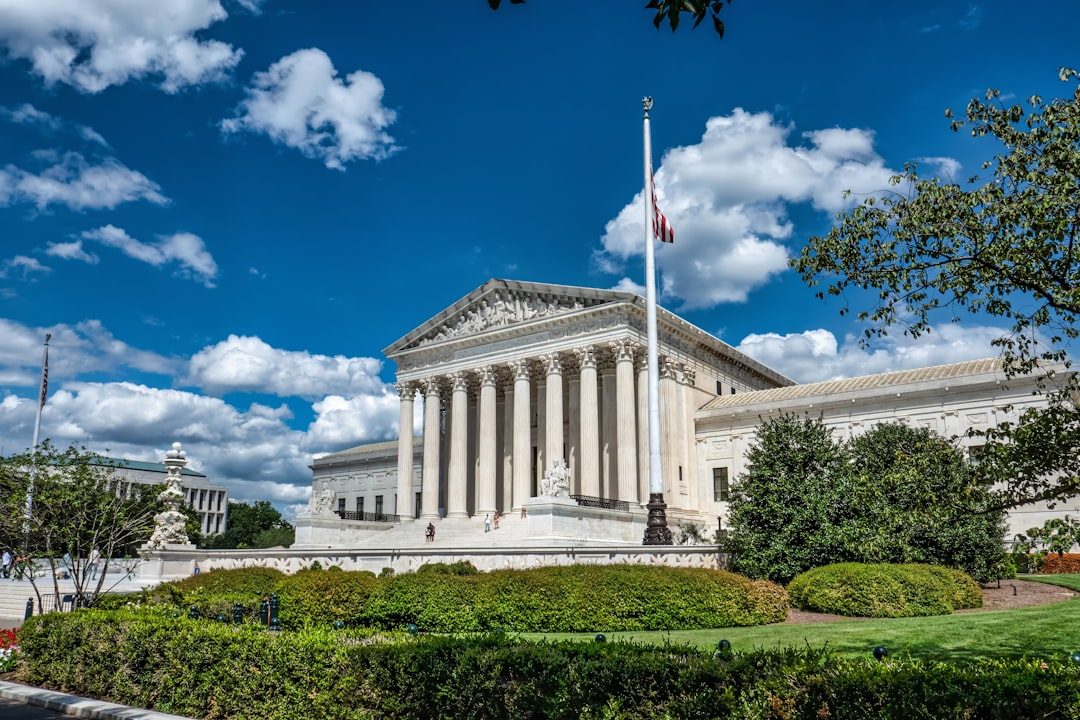
Supreme Court of the United States
Federal Judiciary
Status: Reviewing VPPA consumer definition

The highest court in the federal judiciary, which will resolve the circuit split on who qualifies as a 'consumer' under the VPPA.

Timeline

  1. Supreme Court Grants Certiorari

    Legal

    The Supreme Court agrees to hear Salazar v. Paramount Global and resolve whether the VPPA's 'consumer' definition covers subscribers to any service from a video provider or only those subscribing to audiovisual content.

  2. Supreme Court Denies Cert in Similar VPPA Cases Twice

    Legal

    The Supreme Court twice denies petitions for certiorari to resolve similar VPPA disputes before ultimately accepting Salazar v. Paramount as a 'cleaner vehicle' presenting solely the audiovisual requirement question.

  3. Salazar Petitions Supreme Court

    Legal

    Salazar asks the Supreme Court to review the Sixth Circuit's decision, arguing the circuit split leaves media companies with inconsistent obligations depending on where they're sued.

  4. Sixth Circuit Rules Against Salazar in Paramount Case

    Legal

    The Sixth Circuit affirms dismissal, holding that 'goods or services' in the VPPA's definition of 'consumer' refers only to audiovisual materials. Newsletter subscribers who don't pay for video content are not protected.

  5. Seventh Circuit Adopts Broad 'Consumer' Definition

    Legal

    In Gardner v. MeTV, the Seventh Circuit holds that providing an email address and zip code to receive personalized services makes someone a 'subscriber' and thus a 'consumer' under the VPPA.

  6. Second Circuit Rules for Salazar in NBA Case

    Legal

    The Second Circuit reverses dismissal of Salazar's separate lawsuit against the NBA, holding that signing up for a free newsletter made him a 'consumer' under the VPPA because the NBA also provides video content.

  7. Salazar Files Class Action Against Paramount

    Legal

    Michael Salazar sues Paramount Global, alleging that 247Sports violated the VPPA by using Meta's tracking pixel to share his video viewing history with Facebook without consent.

  8. President Reagan Signs the Video Privacy Protection Act

    Legislative

    Congress passes the VPPA, prohibiting 'video tape service providers' from disclosing customers' rental or purchase information without consent. The law provides statutory damages of $2,500 per violation.

  9. Washington City Paper Publishes Bork's Rental History

    Inciting Incident

    During Robert Bork's Supreme Court confirmation hearings, a reporter obtains and publishes a list of 146 films the nominee's family had rented from a video store. The revelation sparks bipartisan outrage over privacy.

Scenarios

1

Court Adopts Broad Definition: VPPA Litigation Explodes

Discussed by: Privacy plaintiffs' bar, including Peiffer Wolf and similar firms; consumer advocacy groups

The Supreme Court sides with Salazar and the Second/Seventh Circuits, holding that anyone who provides personal information to a company that also offers video content is a 'consumer' under the VPPA. This would validate the theory underlying most pending lawsuits, potentially exposing media companies to billions in statutory damages. Companies using tracking pixels on video-enabled websites would need to either obtain explicit consent or remove the pixels entirely.

2

Court Adopts Narrow Definition: VPPA Claims Collapse

Discussed by: Defense-side law firms including WilmerHale, Morrison Foerster; media industry trade associations

The Supreme Court affirms the Sixth Circuit, holding that only subscribers to audiovisual content qualify as 'consumers.' Newsletter signups, account registrations, and other non-video interactions would fall outside the statute's protection. This would doom hundreds of pending cases and effectively end pixel-based VPPA litigation, as most plaintiffs accessed free content without paying for video services.

3

Court Establishes Middle Ground Test

Discussed by: Legal scholars and appellate practitioners analyzing the Court's recent statutory interpretation decisions

The Court crafts a contextual standard that looks at whether the subscription has a meaningful connection to video content, even if not a direct payment. A newsletter containing video links might qualify; a newsletter about unrelated topics might not. This would provide some clarity while leaving fact-intensive questions for lower courts, prolonging uncertainty for companies while narrowing but not eliminating the plaintiff pool.

4

Standing Doctrine Sidelines the Consumer Question

Discussed by: Constitutional law scholars; defense attorneys citing TransUnion v. Ramirez precedent

The Court declines to reach the consumer definition, instead holding that most VPPA plaintiffs lack Article III standing because they cannot show concrete injury from having their viewing data shared. Under the TransUnion framework, a bare statutory violation without demonstrated harm might not suffice. This would undercut VPPA class actions regardless of how 'consumer' is defined.

Historical Context

Spokeo v. Robins (2016)

May 2016

What Happened

Thomas Robins sued people-search website Spokeo for publishing inaccurate information about him—including false claims about his education, wealth, and marital status—without alleging any actual damages. He sought statutory damages under the Fair Credit Reporting Act, which provides $100-$1,000 per willful violation.

Outcome

Short Term

The Supreme Court vacated the Ninth Circuit's ruling, holding that statutory violations require 'concrete' injury to establish standing, not just a procedural violation.

Long Term

Established that Congress cannot create standing by statute alone, setting the foundation for later restrictions on privacy class actions.

Why It's Relevant Today

If the Court applies Spokeo's concrete injury requirement strictly, VPPA plaintiffs may need to show actual harm from data sharing—not just that sharing occurred—potentially limiting class size or blocking cases entirely.

TransUnion v. Ramirez (2021)

June 2021

What Happened

Sergio Ramirez was flagged as a potential terrorist by TransUnion's name-matching system, embarrassing him at a car dealership. He won a $40 million jury verdict on behalf of a class of 8,184 people similarly flagged. But only 1,853 class members had their credit reports actually shared with third parties.

Outcome

Short Term

The Supreme Court ruled 5-4 that only the 1,853 members whose reports were shared had standing; the other 6,332 suffered no concrete harm from merely having inaccurate internal files.

Long Term

Significantly tightened class action standing requirements, requiring each plaintiff to demonstrate individualized harm rather than relying on statutory violations alone.

Why It's Relevant Today

TransUnion suggests VPPA class members must individually show their data was actually transmitted to Meta and that this caused concrete harm—a higher bar than merely visiting a website with a tracking pixel.

Robert Bork Confirmation Battle (1987)

July-October 1987

What Happened

President Reagan nominated federal judge Robert Bork to the Supreme Court. His confirmation became a bitter ideological fight. During the hearings, Washington City Paper reporter Michael Dolan obtained Bork's video rental history from a store clerk and published it, revealing mundane tastes in British dramas and whodunits.

Outcome

Short Term

Bork's nomination failed 42-58, the largest margin of defeat for a Supreme Court nominee. The rental list publication sparked bipartisan outrage.

Long Term

Congress passed the Video Privacy Protection Act in 1988, creating one of the few federal laws specifically protecting consumer privacy—now at issue 37 years later.

Why It's Relevant Today

The VPPA was written for an era of physical video stores and paper rental records. Whether its protections extend to digital tracking on websites serving free content tests whether a 1988 law can govern 2026 technology.

16 Sources: