

Pull to refresh
Logo
Senate committee drops Trump's pick to lead the National Science Foundation

Senate committee drops Trump's pick to lead the National Science Foundation

Rule Changes

The agency has gone 19 months without a Senate-confirmed director, and its acting head retires December 31.

Overview

Updated 58 minutes ago

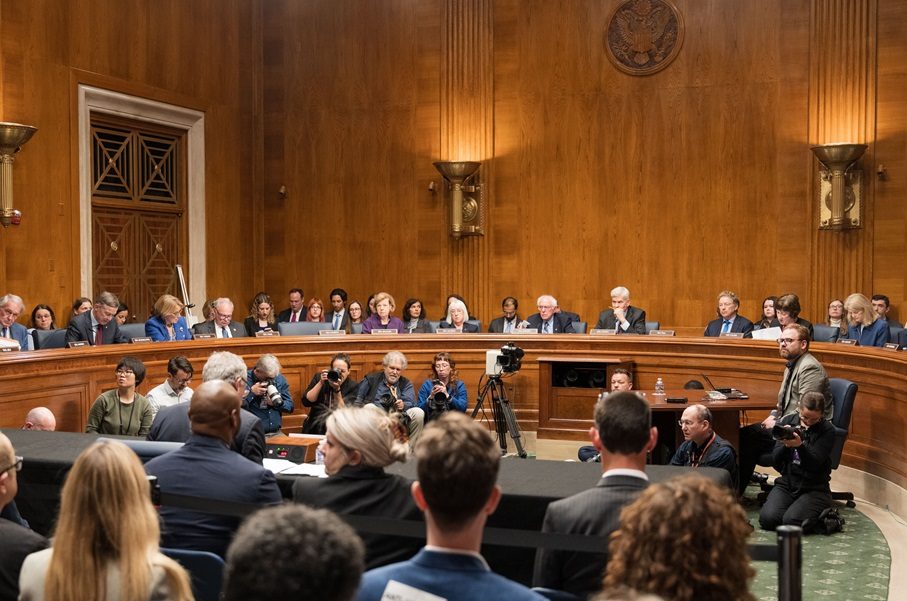
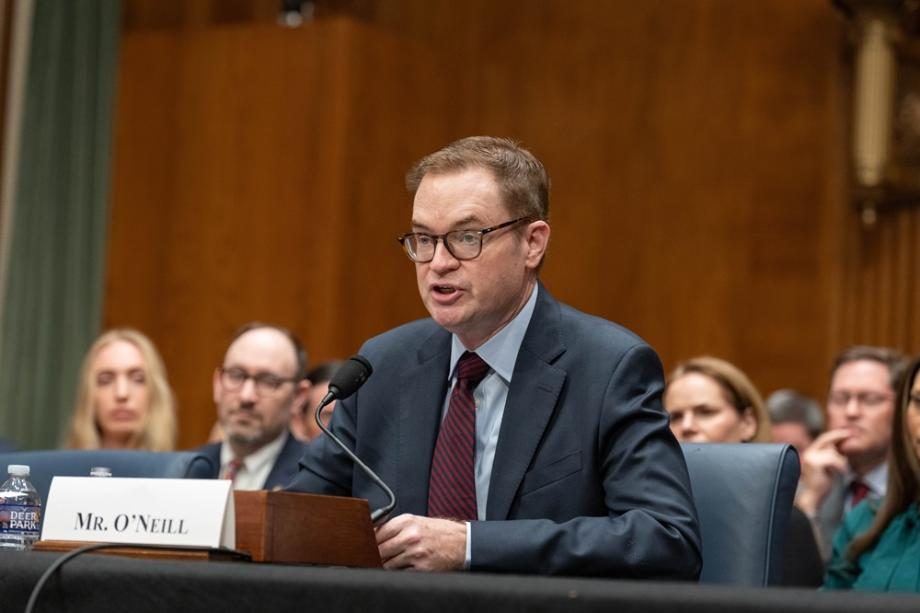
A Senate committee scrapped its vote on James O'Neill's nomination to lead the National Science Foundation on Nov. 18, 2026. The chairman, Republican Bill Cassidy of Louisiana, pulled the name himself and told reporters O'Neill didn't have the votes.

O'Neill is a financier with no science background who spent about five months as acting director of the Centers for Disease Control and Prevention. Cassidy said that stint showed O'Neill would not push back when the administration overrode career scientists.

The post he wanted runs the $9 billion agency that pays for basic research at universities. It has been vacant since April 2025, the oversight board has been empty since April 2026, and Democrats take control of the Senate in January.

Why it matters

The $9 billion agency that funds basic research may start 2027 with no confirmed director and no oversight board.

Questions about this story

Free account needed to ask — your question is kept and asked for you right after sign-up. Answers are public.

No questions yet — be the first to ask.

Key Indicators

19
Months without a Senate-confirmed NSF director
Counting from Sethuraman Panchanathan's resignation in April 2025.
0
National Science Board members remaining
The administration removed every member on April 24, 2026, without giving a reason.
$1.4B
Appropriated NSF money withheld by the administration
Congress appropriated more than $8.75 billion for fiscal 2026; Senate Democrats say $1.4 billion has not been released.
30%
Reduction in NSF workforce since January 2025
Figure from a Nov. 16, 2026 letter by Senators Cantwell and Baldwin.
6,300
Research grants awarded in fiscal 2026
Down from 8,700 the prior year, according to the grant-tracking group Grant Witness.

Voices

Curated perspectives — historical figures and your fellow readers.

Sign up to generate historical perspectives on this story.

People Involved

Organizations Involved

Timeline

2025 December 2026

9 events Latest: Yesterday
Tap a bar to jump to that date
  1. Agency's acting leader departs

    Upcoming Scheduled

    Stone's retirement takes effect. No replacement has been announced.

  2. Cassidy pulls the nomination

    Latest Committee action

    The HELP Committee drops O'Neill, clears three other Trump nominees, and the White House withdraws its FDA pick.

  3. NSF's acting head announces retirement

    Personnel

    Brian Stone tells staff he will retire December 31, leaving no named successor.

  4. Democrats demand a hearing

    Letter

    Cantwell and Baldwin ask Cassidy to hold a public hearing before any vote on O'Neill.

  5. Grant-review rule proposed

    Rule change

    The budget office proposes letting senior appointees review discretionary awards before they are issued.

  6. Science board emptied

    Institutional

    The administration removes every member of the National Science Board without giving a reason.

  7. O'Neill confirmed as deputy health secretary

    Confirmation

    The Senate confirms him to the second-ranking post at the Department of Health and Human Services.

  8. NSF loses its director

    Resignation

    Sethuraman Panchanathan, named by Trump in 2019, quits with a year left on his six-year term.

  9. CDC director fired; O'Neill takes over

    Personnel

    Susan Monarez is ousted a month into the job, and O'Neill becomes acting CDC director.

Scenarios

1

NSF starts 2027 with an acting director and an empty board

Likely Resolves by Q1 2027

Discussed by: Scientific American, which reviewed Stone's retirement memo; Senate Democrats on the Commerce and HELP committees

Stone leaves December 31 and nobody has been named to replace him. The White House has said it is working with the agency to pick who performs the director's duties. Because Democrats take the Senate majority in January 2027, any new nominee would face a chamber whose members already opposed O'Neill's direction.

2

Trump renominates O'Neill and the Senate never acts

Unlikely Resolves by Q2 2027

Discussed by: Science, citing a White House official who said the nomination was not withdrawn

A White House official said the president had not withdrawn the nomination, only that the committee chose not to take it up. A nomination can be resubmitted when a new Congress convenes. With Democrats in the majority, the practical result would be the same: no vote.

3

White House proposes ending NSF's independent status

Possible Resolves by Apr 30, 2027

Discussed by: Senator Bill Cassidy, who cited the prospect when explaining why he blocked the nomination

Cassidy said the possibility that NSF would lose its 76-year-old status as an independent agency was one reason he killed the nomination: he wanted a director who would resist that change. A structural proposal would show up in the president's fiscal 2028 budget request, due in early 2027.

Historical Context

2 moments from history that rhyme with this story — and how they unfolded.

1950

National Science Foundation Act (1950)

Congress created the foundation as an independent agency with a presidentially appointed oversight board and a peer-review system for picking research to fund. The design was meant to keep decisions about basic science away from the political appointees who run Cabinet departments.

Then

The agency began awarding grants to universities and became a main source of federal money for basic research.

Now

The 1950 structure survived for 76 years, through changes in administration and party control.

Why this matters now

All three features of that design are now in question: the independent status, the oversight board, and the peer-review process the proposed grant rule would change.

February 2006

NASA press office and James Hansen (2006)

A political appointee in NASA's public affairs office, George Deutsch, resigned after the climate scientist James Hansen said his interviews and releases were being restricted. Hansen had publicly accused the administration of limiting his access to reporters.

Then

Deutsch stepped down and NASA's press practices came under congressional scrutiny.

Now

The episode became the standard example of what happens when appointees without scientific training control how a research agency speaks to the public.

Why this matters now

Cassidy's objection to O'Neill is a version of the same question: whether someone without a science background will defend an agency's findings against pressure from above.

Sources

(9)