
Pull to refresh
Logo
Waymo restricted from San Francisco waterfront during Fleet Week

Waymo restricted from San Francisco waterfront during Fleet Week

Rule Changes San Francisco, CA local

City cites July 4th incident as it limits autonomous vehicle pickups and drop-offs near the waterfront

Today: SFMTA announces geofencing for Fleet Week

Overview

Updated 1 hour ago

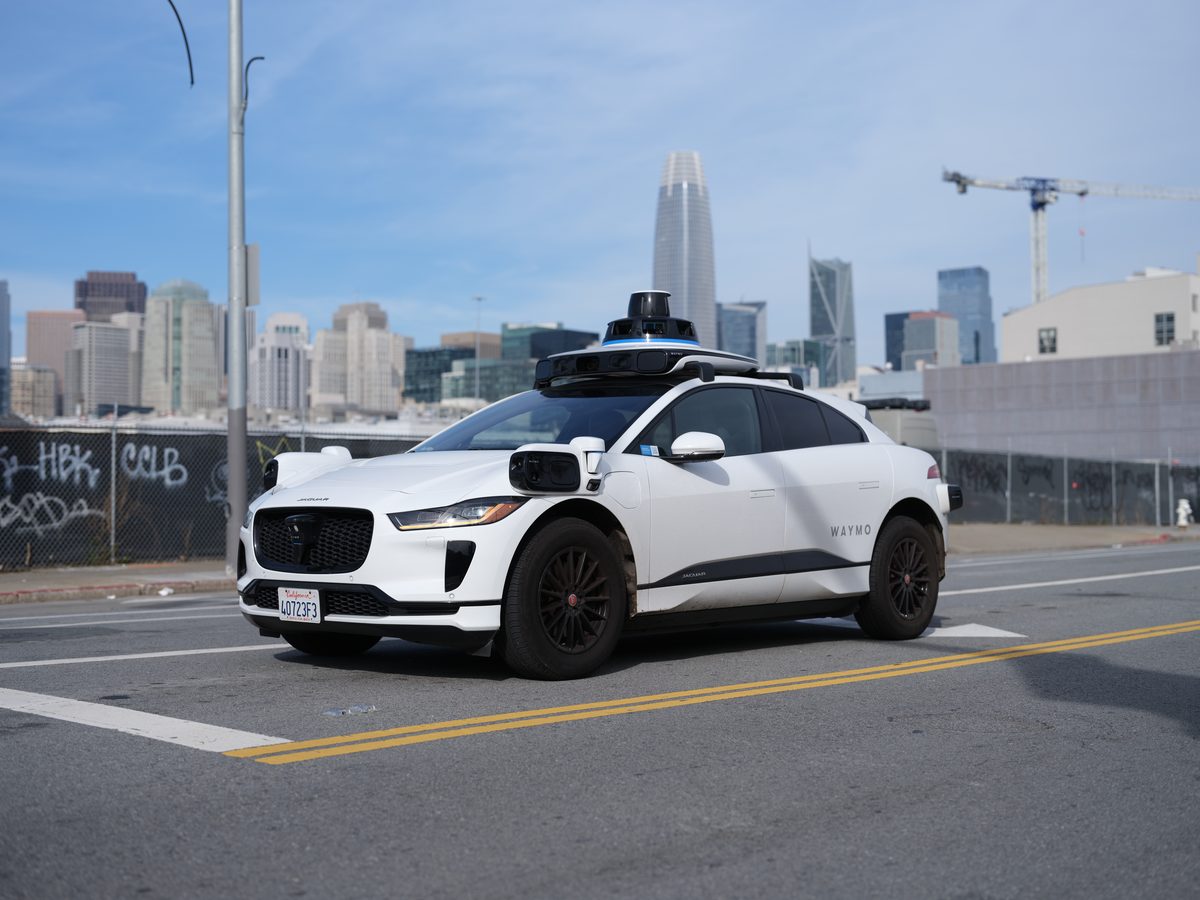
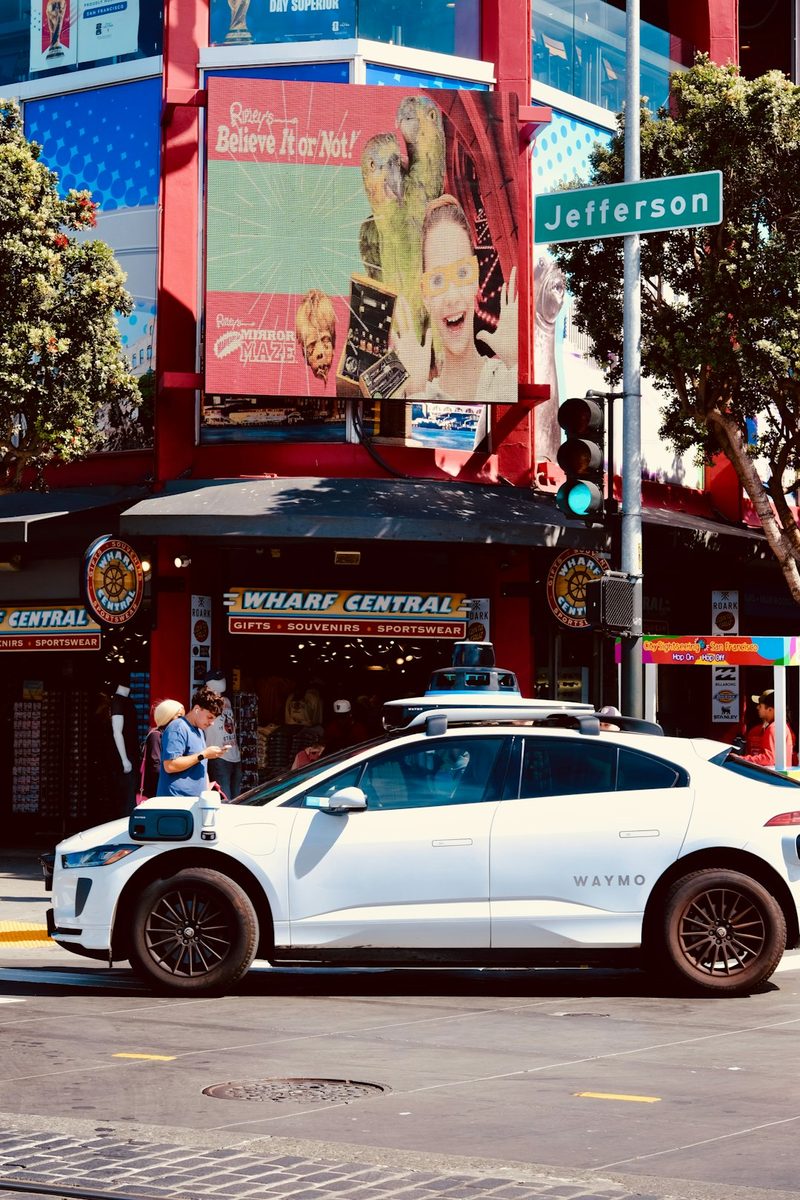
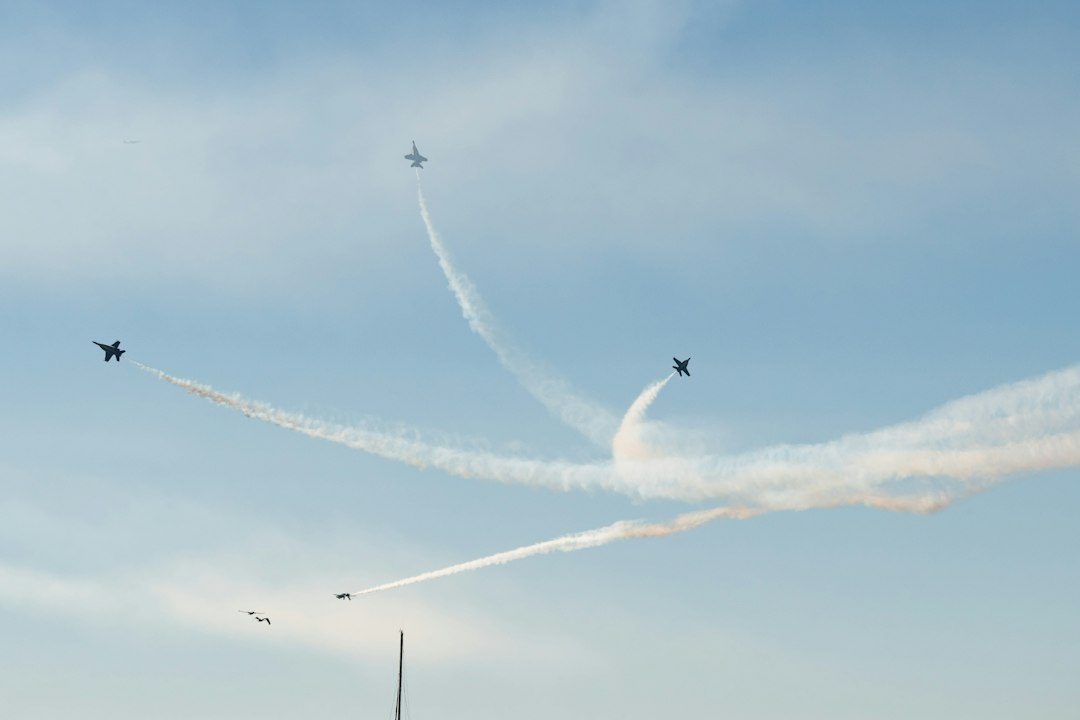
San Francisco will keep Waymo's self-driving cars out of the waterfront during Fleet Week, October 9-11. The city's transit agency announced geofenced boundaries that bar Waymo pickups and drop-offs north of Lombard Street in the Marina, north of Francisco Street near the Wharf, and along much of the Embarcadero.

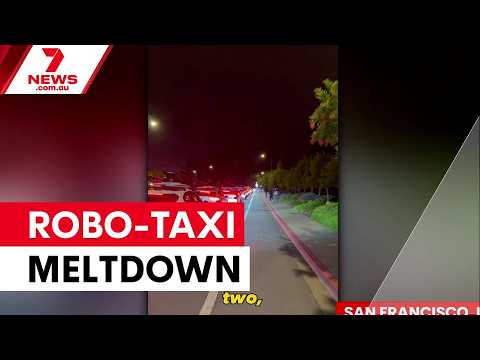
The restriction follows a July 4th incident that city officials say highlighted the need for planning. It's the latest example of how San Francisco manages autonomous vehicles in a city that hosts large events year-round.

Why it matters

If Waymo can't operate during major events, it limits the service's usefulness in a city that hosts dozens of large gatherings each year.

Monday: what changed in San Francisco, CA

One short email a week with the openings, closings, permits and council votes we covered. Free. Unsubscribe in one click.

Questions about this story

Free account needed to ask — your question is kept and asked for you right after sign-up. Answers are public.

No questions yet — be the first to ask.

Key Indicators

3
Duration of geofencing
Waymo service restricted during Fleet Week, October 9-11.

Voices

Curated perspectives — historical figures and your fellow readers.

Ever wondered what historical figures would say about today's headlines?

Sign up to generate historical perspectives on this story.

Organizations Involved

Timeline

July 2026 October 2026

2 events Latest: Today
  1. SFMTA announces geofencing for Fleet Week

    Today Regulatory Action

    City transit agency restricts Waymo pickups and drop-offs near the waterfront for October 9-11.

  2. July 4th incident prompts review

    Incident

    Waymo vehicles cause traffic congestion or safety concerns during fireworks celebrations, according to city officials.

Scenarios

1

Geofencing becomes standard for large events

Likely Resolves by End of 2026

Discussed by: SFMTA officials and local transportation analysts

After a smooth Fleet Week, the city and Waymo formalize a protocol for geofencing during major events. SFMTA publishes a standing policy for autonomous vehicle boundaries during parades, fireworks, and other large gatherings.

2

Waymo challenges the restrictions

Possible Resolves by Nov 30, 2026

Discussed by: Autonomous vehicle industry observers

Waymo argues the geofencing is overly broad and files a complaint with the California Public Utilities Commission or a lawsuit against the city. The challenge could lead to a review of how cities can restrict AV operations.

3

Restrictions end after Fleet Week, no lasting change

Unlikely Resolves by Oct 15, 2026

Discussed by: Local news commentators

The geofencing is temporary and lifted after the event. City officials say they will evaluate the outcome but take no further action, leaving the status quo for future events.

Historical Context

2 moments from history that rhyme with this story — and how they unfolded.

October 2023

Cruise's California suspension (2023)

After a pedestrian was dragged by a Cruise autonomous vehicle in San Francisco, the California DMV suspended the company's driverless permits. The incident followed months of city complaints about AV traffic disruptions.

Then

Cruise halted all driverless operations nationwide and recalled its fleet.

Now

The incident intensified regulatory scrutiny of autonomous vehicles and gave cities more leverage to impose restrictions.

Why this matters now

Shows how a single safety incident can lead to operational limits, similar to the July 4th event prompting Fleet Week geofencing.

March 2018

Uber self-driving death in Arizona (2018)

An Uber test vehicle struck and killed a pedestrian in Tempe, Arizona. The company suspended autonomous testing nationwide and later sold its self-driving unit.

Then

Uber ended its autonomous vehicle program and faced legal and regulatory fallout.

Now

The incident slowed AV deployment and led to stricter safety requirements across the industry.

Why this matters now

Demonstrates how a high-profile incident can reshape public trust and regulatory approaches, informing how cities like San Francisco handle AV operations during events.

Sources

(4)