



Pull to refresh
Logo
South Africa convicts Zimbabwean who tried to join Russia's army

South Africa convicts Zimbabwean who tried to join Russia's army

Force in Play

A suspended five-year term and a deportation order test whether a 1998 mercenary law can police an online recruiting pipeline.

Overview

Updated 35 minutes ago

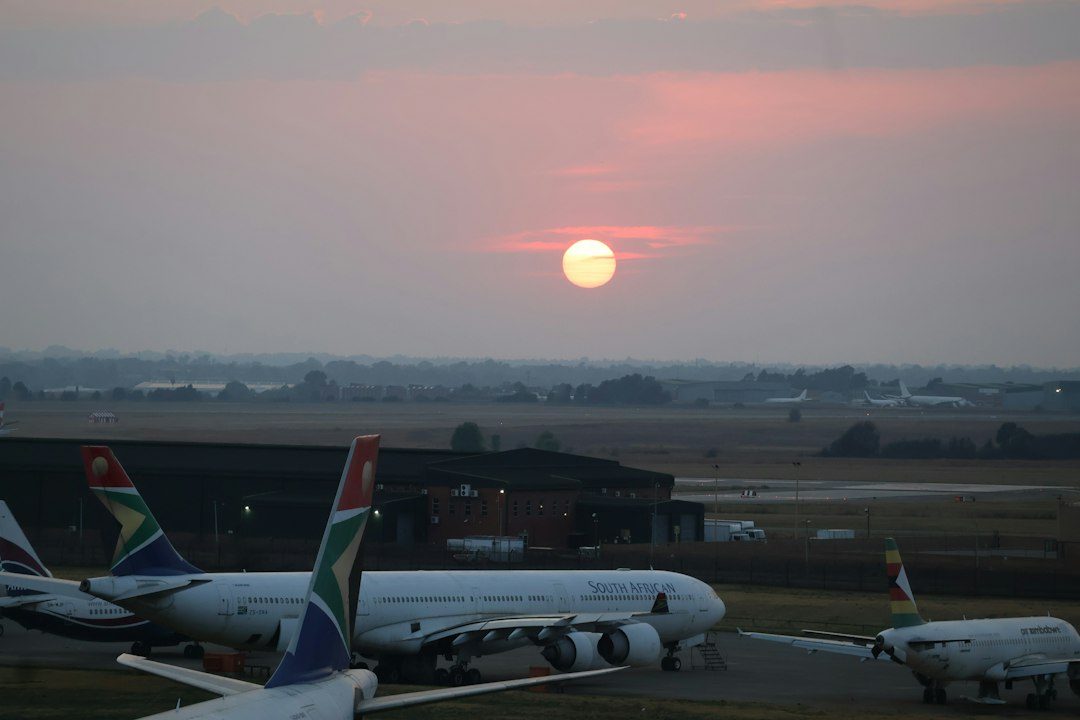
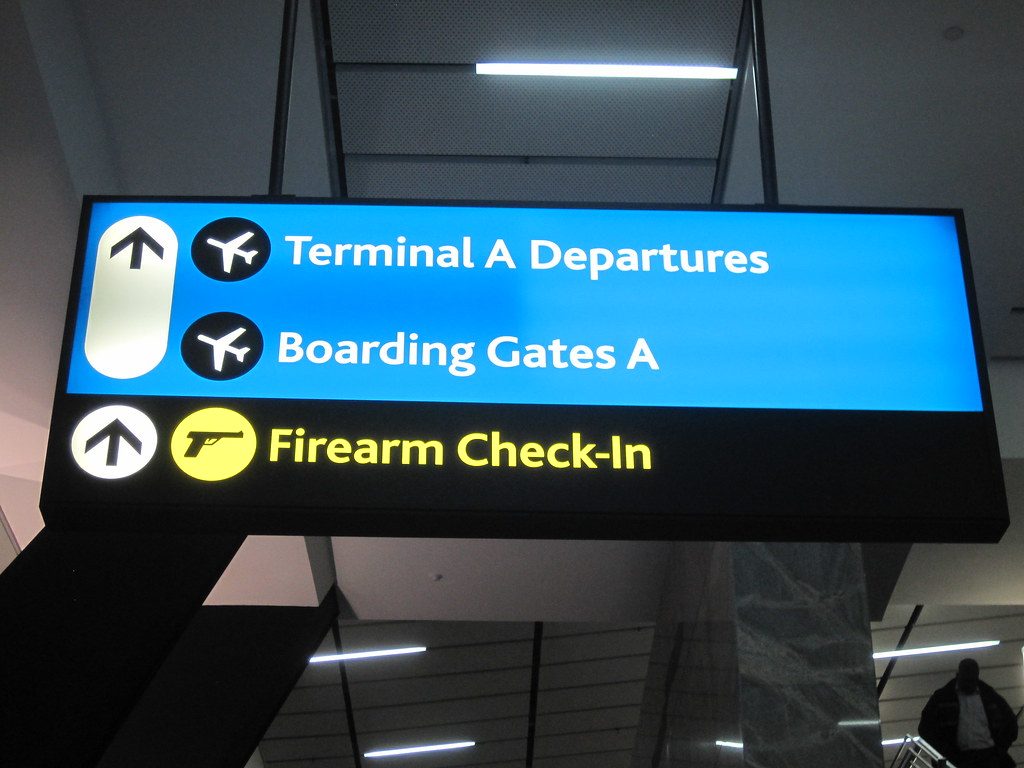
A 24-year-old Zimbabwean student applied online to fight for Russia, flew legally into Johannesburg on November 4, and was arrested at the airport four days later holding a ticket onward. On Tuesday he pleaded guilty under South Africa's mercenary law, drew a five-year suspended sentence, and was ordered deported.

The Regulation of Foreign Military Assistance Act was passed in 1998, when the worry was former apartheid soldiers selling their skills in African wars. It now sits across a different traffic: young Africans recruited through job ads and social media, promised pay, and sent to fill Russian ranks in Ukraine. South African prosecutors wrote into the plea agreement that the country must not become "a recruitment hub, a logistical base or a transit corridor."

Why it matters

Johannesburg is a transit point for recruits bound for Russia. A conviction with deportation attached makes that route costlier to run.

Questions about this story

Free account needed to ask — your question is kept and asked for you right after sign-up. Answers are public.

No questions yet — be the first to ask.

Key Indicators

9
Zimbabweans arrested on November 8
Five at OR Tambo International Airport, four at a hotel in Bruma.
5 years
Suspended prison sentence
Wholly suspended; triggered only by a similar conviction within five years.
1,700+
Africans recruited for Russia, per Ukrainian estimate
Ukrainian intelligence assessed recruits came from 36 African countries.
530
Zimbabweans recruited in first nine months of 2026
Against 30 Zimbabwean nationals for all of 2025, per Ukrainian intelligence.
289
Recruitment sites and profiles mapped
Websites, domains and social media accounts identified by Code for Africa.

Voices

Curated perspectives — historical figures and your fellow readers.

Sign up to generate historical perspectives on this story.

People Involved

Organizations Involved

Timeline

1998 November 2026

7 events Latest: Yesterday
Tap a bar to jump to that date
  1. Nine Zimbabweans arrested near Johannesburg

    Arrest

    Five are held at OR Tambo airport, four at a Bruma hotel; Interpol takes part.

  2. Sothole enters South Africa

    Travel

    He arrives legally and stays in Kempton Park ahead of his flight to Russia.

  3. Zimbabwe counts its dead

    Statement

    Zimbabwe says 15 citizens were killed in Ukraine and more than 60 remain trapped.

Scenarios

1

Four co-accused take the same plea deal

Likely Resolves by Q1 2027

Discussed by: Prosecutors in the Kempton Park Magistrates' Court, who said the remaining accused are negotiating plea agreements, as reported by Al Jazeera.

The four men arrested alongside Sothole return to court on December 1. If they plead guilty on similar terms, South Africa turns one conviction into a routine: airport arrest, guilty plea, suspended sentence, deportation. That would show prosecutors are clearing recruit cases quickly rather than building cases against the networks behind them.

2

Prosecutors charge the recruiters, not just the recruits

Possible Resolves by Q2 2027

Discussed by: South African authorities, who said the country must not become a transit corridor, and who arrested a suspected recruiter in December 2025, as reported by the BBC and lb.ua.

The conviction punishes a man who answered an ad. The harder case is against whoever paid for his ticket and booked his lodging. Police worked with Interpol on the November 8 arrests, which suggests cross-border evidence gathering. A charge against a recruiter or travel facilitator would test whether the 1998 law reaches the network, not just its customers.

3

Recruitment reroutes and Zimbabwe's death toll climbs

Possible Resolves by Q2 2027

Discussed by: Ukrainian intelligence, which counted 530 Zimbabwean recruits in the first nine months of 2026 against 30 in all of 2025, as reported by lb.ua and Ukrinform.

Airport arrests close one door. Recruiters can shift to Nairobi, Harare, or fully online routes that never touch a South African terminal. If the pipeline adapts faster than courts process cases, the visible result will be more Zimbabwean casualties rather than more convictions.

Historical Context

3 moments from history that rhyme with this story — and how they unfolded.

1990s

South African mercenaries in African wars (1990s)

As apartheid ended, South African security specialists and former soldiers took paid contracts in conflicts in Angola and Sierra Leone, running training camps and combat operations for cash.

Then

The trade drew public and official concern in the new democracy about South Africans fighting abroad for hire.

Now

It set the political backdrop for a law written to license and restrict military assistance abroad.

Why this matters now

The statute now aimed at online recruiters was built for men selling skills to rebel armies, not for job ads targeting unemployed students.

1998

Regulation of Foreign Military Assistance Act (1998)

South Africa banned mercenary activity and required government approval for military assistance to parties in foreign conflicts, including recruitment and training. The law applies to foreign nationals on South African soil as well as to citizens.

Then

It created a licensing regime and made unapproved recruitment a crime.

Now

The law sat largely unused against foreign conflicts until African recruits began transiting South Africa toward Russia.

Why this matters now

It is the charge Sothole pleaded guilty to, and the legal tool South Africa now says it will use to keep Johannesburg from becoming a transit corridor.

March 2026

Kenya's recruited-fighters protests (2026)

Kenya's government said more than 1,000 citizens had been recruited to fight for Russia, according to Al Jazeera. Families protested in Nairobi demanding their relatives' return and prosecution of those responsible.

Then

The dispute became a public political problem for the Kenyan government.

Now

It showed that recruitment promises of well-paid work could pull large numbers from a single country, and that families, not courts, often surfaced the scale.

Why this matters now

It is the model South Africa is trying to avoid: a pipeline that runs quietly until casualties and protests force it into the open.

Sources

(8)