

Pull to refresh
Logo
Daily Brief
Following
Why Ranks Sign Up
SpaceX flies first Starfall capsule to return cargo from orbit

SpaceX flies first Starfall capsule to return cargo from orbit

New Capabilities

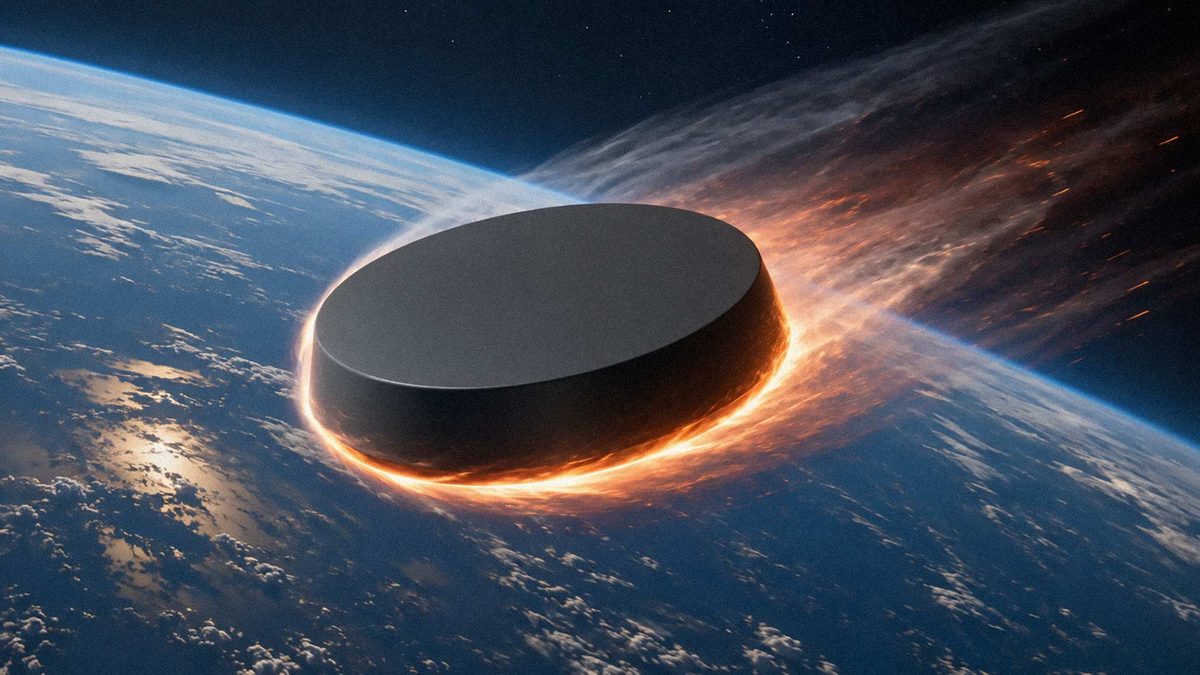
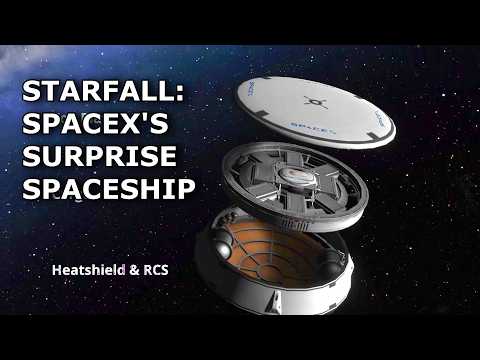
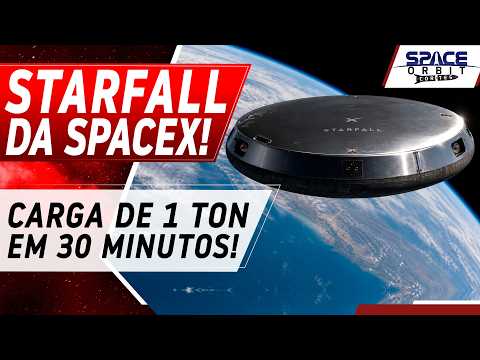
A disk-shaped reentry vehicle built to bring up to 1,000 kilograms back from space takes its first test flight from Florida.

Today: First Starfall capsule launches

Overview

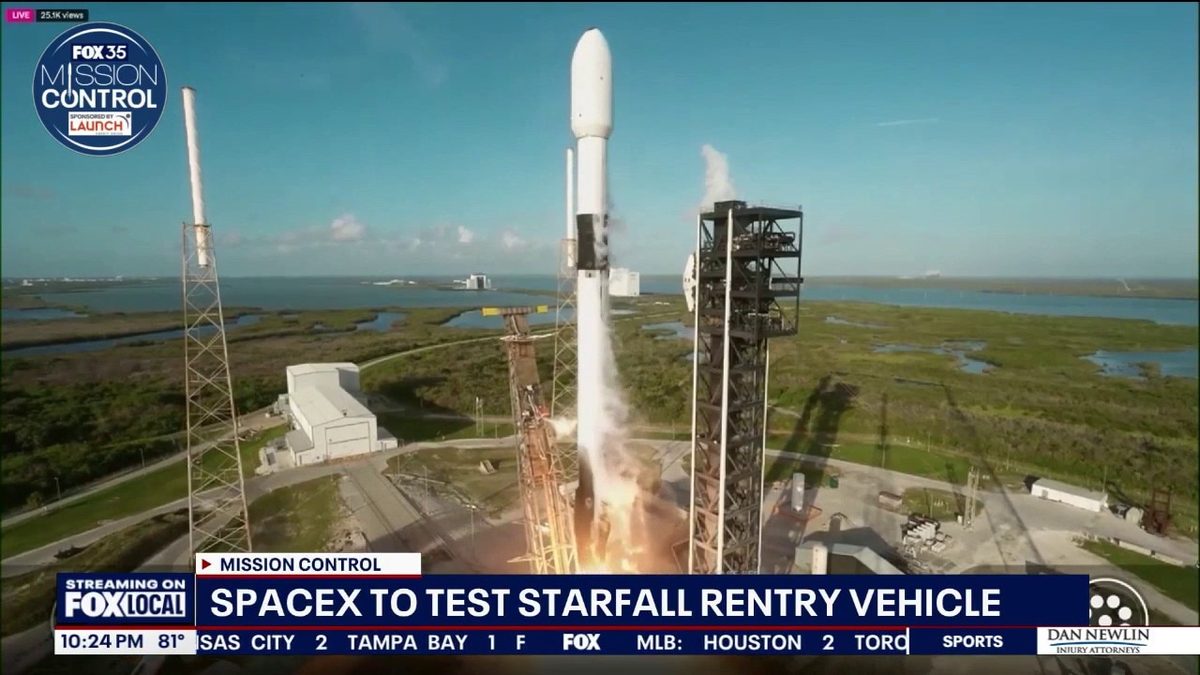
SpaceX launched its first Starfall capsule from Cape Canaveral on June 23, 2026. The disk-shaped vehicle is built to bring up to 1,000 kilograms of cargo back from orbit and splash down in the Pacific. Until now, returning material from space meant small capsules carrying dozens of kilograms.

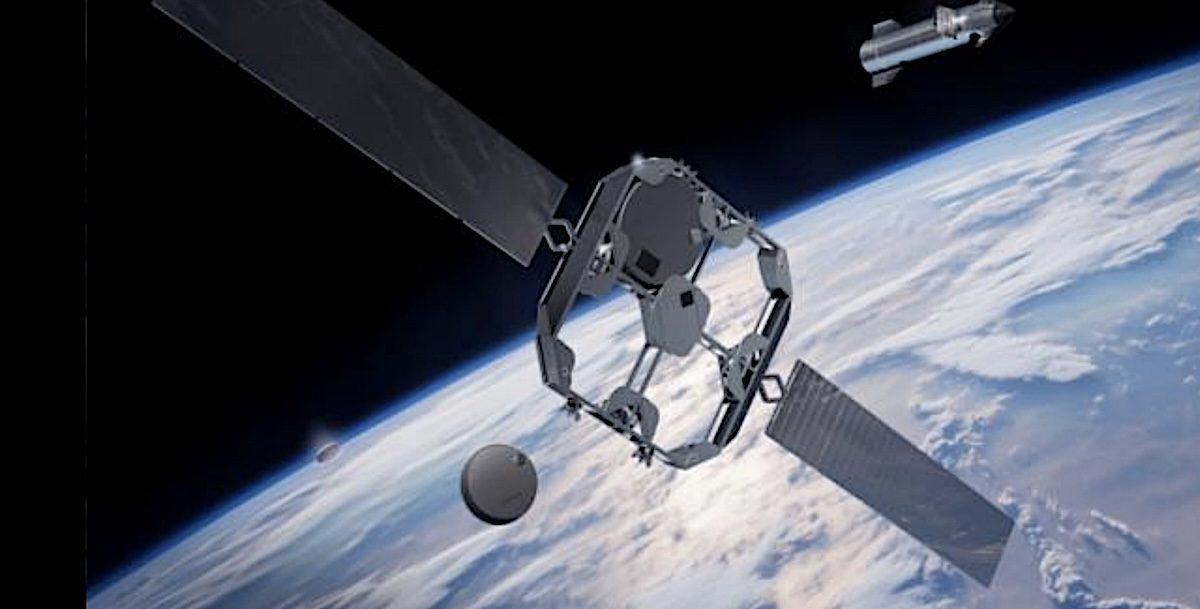
Getting to orbit is cheap. Getting things back is not. Starfall is SpaceX's bid to fix the return side and mass-produce reusable vehicles for in-orbit factories and fast cargo delivery through space.

Why it matters

Returning mass from orbit has been rare and small-scale. If Starfall works, factories in space could ship products back to Earth as a routine service.

Questions about this story

No questions yet — be the first to ask.

Key Indicators

1,000 kg
Payload return capacity
Mass each Starfall capsule is designed to bring back from orbit.
2,100 kg
Empty capsule mass
The disk-shaped vehicle measures 3.1 meters across and 0.75 meters tall.
~1,300 km
Planned splashdown distance
Target recovery zone west of the U.S. or Mexico in the Pacific.
$20B
Bond offering launched same day
SpaceX's first public bond sale, separate from the Starfall mission.

Voices

Curated perspectives — historical figures and your fellow readers.

Ever wondered what historical figures would say about today's headlines?

Sign up to generate historical perspectives on this story.

Play

Exploring all sides of a story is often best achieved with Play.

Log in to play. Track your picks, climb the leaderboards. Log in Sign Up
Predict 4 ways this could play out. Contrarian picks score more — points lock when the scenario resolves. Log in to play
Higher or Lower Two numbers from this story. Guess which is bigger. 5 rounds to set a streak. Log in to play
Timeline Five events from this story — drag them oldest to newest. Log in to play
Connections Sixteen names from the news. Find the four hidden groups of four. Log in to play

People Involved

Organizations Involved

Timeline

February 2024 June 2026

6 events Latest: Today
Tap a bar to jump to that date
  1. First Starfall capsule launches

    Today Launch

    A Falcon 9 lifts the roughly 2,100-kilogram Starfall demo capsule from Cape Canaveral. The vehicle is set to reenter and splash down in the Pacific hours later.

  2. SpaceX shares drop on bond debut

    Financial

    SpaceX's planned $20 billion bond offering rattles investors as the deal reveals a near-term debt deadline.

  3. FAA clears two Starfall test flights

    Regulatory

    The Federal Aviation Administration issues final environmental approval, allowing SpaceX to fly two Starfall demonstration missions.

  4. Varda flies sixth return mission

    Milestone

    Varda's W-6 capsule reenters over Australia carrying hypersonic navigation payloads for the Air Force Research Laboratory alongside commercial research.

  5. SpaceX takes bridge loan for xAI deal

    Financial

    SpaceX borrows to fund its acquisition of xAI, debt it would later move to refinance through a public bond sale.

  6. Varda returns first product from orbit

    Milestone

    Varda's W-1 capsule lands in Utah carrying drug crystals grown in space, the first commercial product returned from orbit.

Historical Context

3 moments from history that rhyme with this story — and how they unfolded.

February 2024

Varda returns the first orbital product (2024)

Varda Space Industries landed its W-1 capsule at a Utah test range. It carried crystals of the HIV drug ritonavir, grown in orbit. It was the first time a private company made a product in space and brought it back to sell.

Then

Varda proved that small reentry capsules could close the loop from orbital factory to Earth.

Now

The flight opened a commercial return market and drew Air Force interest in capsules as test platforms.

Why this matters now

Varda showed the demand Starfall now targets. SpaceX is betting the same business works at roughly thirty times the payload.

March 2017

Falcon 9's first booster reflight (2017)

SpaceX launched a payload on a Falcon 9 first stage that had already flown, then landed it again. Reusing the most expensive part of the rocket cut launch costs and let SpaceX fly far more often.

Then

Competitors dismissed reuse at first, then scrambled to copy it.

Now

Reusability made SpaceX the dominant launch provider and reshaped commercial spaceflight pricing.

Why this matters now

Starfall applies the same reuse logic to the trip home. The plan is to mass-produce return vehicles and fly them over and over.

July 2011

Space Shuttle retirement leaves a downmass gap (2011)

NASA retired the Space Shuttle, its only vehicle able to bring large cargo back from orbit. For years afterward, SpaceX's Dragon capsule was the main way to return significant mass from the International Space Station.

Then

Researchers faced tight limits on how much they could bring home from orbit.

Now

Return capacity, not launch capacity, became the bottleneck for orbital science and manufacturing.

Why this matters now

Starfall attacks that bottleneck directly. The question it tests is whether cheap, frequent return can finally match cheap launch.

Sources

(7)