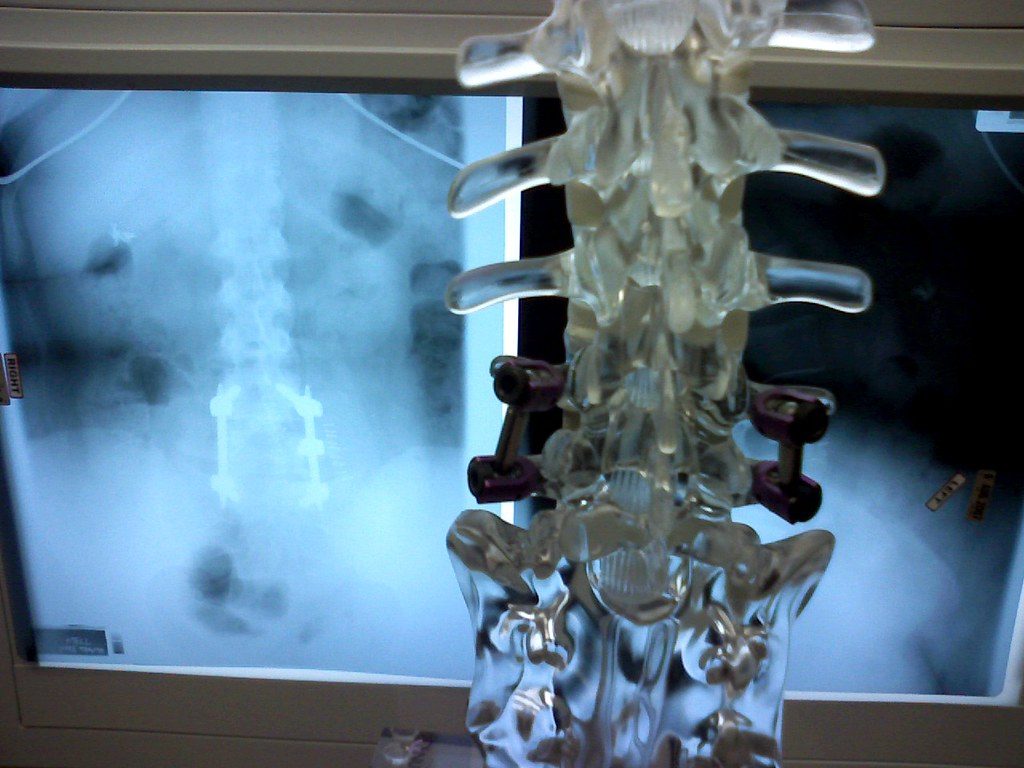
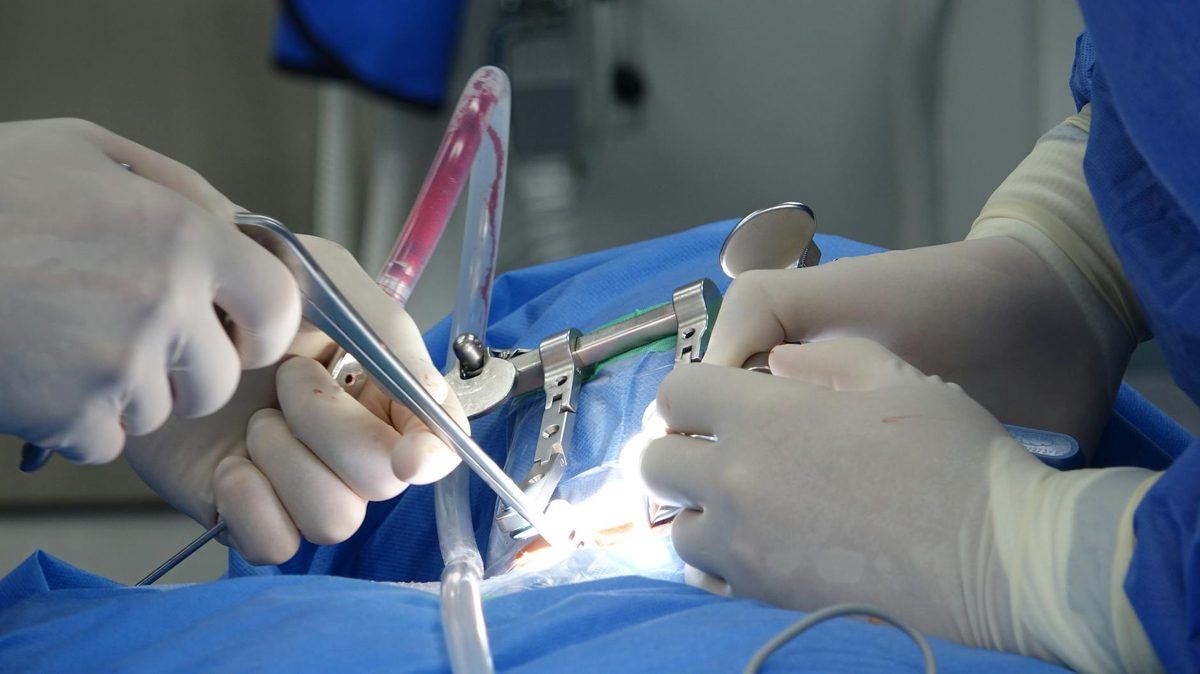
Medtronic's INFUSE bone graft has spent 24 years navigating FDA approval, off-label controversy, and lawsuits. The FDA just approved INFUSE for transforaminal lumbar interbody fusion (TLIF) procedures—the only growth factor bone graft approved for two-level spinal constructs and the only one cleared for anterior, oblique, and transforaminal approaches.
This matters because over 450,000 spinal fusion procedures happen annually in the United States. Surgeons face a choice: harvest bone from a patient's hip (causing pain and complications in one-third of cases) or use synthetic alternatives with limited FDA backing. INFUSE now offers an approved option for the most common lumbar fusion technique, potentially eliminating a second surgical site for thousands of patients each year.
Questions about this story
Free account needed to ask — your question is kept and asked for you right after sign-up. Answers are public.
No questions yet — be the first to ask.
Key Indicators
90%+
Fusion Rate
Clinical trial success rate for INFUSE in TLIF procedures across 493 patients
450,000
Annual Fusions
Approximate number of spinal fusion procedures performed yearly in the United States
$5.2B
Market Size
Projected global spine biologics market by 2031, growing at 5% annually
6,000+
Lawsuits Settled
Number of INFUSE product liability cases Medtronic resolved through 2017
16 events
Latest: February 17th, 2026 · 8 months ago
Showing 8 of 16
JK to step
Tap a bar to jump to that date
Jump to
February 2026
FDA Approves INFUSE for TLIF
LatestRegulatory
FDA grants premarket approval for INFUSE bone graft in transforaminal lumbar interbody fusion at one and two levels from L2-S1. This makes INFUSE the first growth factor approved for two-level spinal fusion constructs.
August 2025
Medtronic Submits TLIF Application
Regulatory
Medtronic submits panel-track premarket approval application to FDA for INFUSE in TLIF procedures.
June 2025
Competitor PearlMatrix Wins FDA Approval
Regulatory
Cerapedics receives FDA premarket approval for PearlMatrix P-15 peptide enhanced bone graft for single-level TLIF, creating first direct competitor to INFUSE.
May 2024
FDA Grants Breakthrough Device Designation
Regulatory
FDA grants Breakthrough Device designation for proposed INFUSE TLIF indication, expediting the review process.
April 2018
FDA Approves INFUSE for ALIF and OLIF
Regulatory
FDA approves INFUSE for use with PEEK interbody implants in oblique lateral interbody fusion (OLIF) and anterior lumbar interbody fusion (ALIF) at a single level.
December 2017
Final Batch of Lawsuits Settled
Legal
Medtronic resolves remaining INFUSE lawsuits, having settled approximately 6,000 cases total. Company set aside $300 million for litigation charges.
May 2014
Medtronic Settles 950 Product Liability Cases
Legal
Medtronic agrees to settle approximately 950 INFUSE product liability lawsuits for around $22 million.
October 2012
Senate Report Finds Research Manipulation
Investigation
Senate Finance Committee report determines Medtronic employees collaborated with physician authors to edit and write segments of published INFUSE studies without disclosure. Company paid $210 million to 13 doctors who co-authored the research.
March 2012
Medtronic Settles Shareholder Lawsuit
Legal
Medtronic pays $85 million to settle shareholder lawsuit accusing the company of making misleading statements about INFUSE.
June 2011
Senate Launches Investigation
Investigation
U.S. Senate Finance Committee opens 16-month investigation into Medtronic's relationships with physician consultants who tested and reviewed INFUSE products.
December 2008
INFUSE Approved for Posterolateral Fusion
Regulatory
FDA approves INFUSE for use in posterolateral spine fusion surgery to repair pseudarthrosis (failed fusion).
July 2008
FDA Issues Safety Warning on Cervical Use
Safety
FDA issues public health notification warning about life-threatening complications—including throat swelling, breathing difficulties, and death—when INFUSE was used off-label in cervical spine fusions.
March 2007
INFUSE Approved for Oral Surgery
Regulatory
FDA approves INFUSE as an alternative to autogenous bone grafts for sinus augmentations and localized alveolar ridge augmentations.
2006
DOJ Settles Kickback Allegations
Legal
Department of Justice investigation ends with Medtronic paying $40 million to settle allegations of illegal kickbacks to doctors as incentives to use INFUSE.
2004
FDA Expands INFUSE to Trauma Indication
Regulatory
INFUSE receives approval for open tibial fractures with intramedullary nail fixation, expanding beyond spinal applications.
July 2002
FDA Approves INFUSE for Spinal Fusion
Regulatory
The FDA grants initial approval for INFUSE bone graft containing recombinant human bone morphogenetic protein-2 (rhBMP-2) for single-level anterior lumbar interbody fusion from L4-S1.
Scenarios
1
INFUSE Becomes Standard of Care for Lumbar Fusion
Likely
Discussed by: Orthopedic trade publications and spine surgery professional organizations
With FDA approval now covering the three most common lumbar fusion approaches (ALIF, OLIF, TLIF) and two-level procedures, INFUSE adoption accelerates significantly. Insurance coverage expands as payers recognize the cost savings from eliminating hip bone harvest complications. Within 3-5 years, growth factor biologics replace autograft as the default option for most lumbar fusions.
2
Competition Fragments the Biologics Market
Possible
Discussed by: Industry analysts at iData Research and market research firms
Cerapedics' PearlMatrix and other emerging peptide-enhanced products capture significant market share by demonstrating superiority in specific patient populations or procedure types. Medtronic's first-mover advantage erodes as surgeons experiment with alternatives. The market becomes commoditized, driving down prices but increasing overall adoption of biological bone grafts.
3
Safety Concerns Resurface, Limiting Expansion
Unlikely
Discussed by: Medical device watchdog organizations and academic researchers
Post-market surveillance reveals unexpected complications in the expanded patient population, particularly in two-level fusions. The FDA issues updated safety communications, and surgeons become more conservative in patient selection. Growth plateaus as the medical community awaits longer-term outcome data.
4
Reimbursement Battles Slow Adoption
Possible
Discussed by: Spine surgery practice administrators and healthcare policy analysts
Despite FDA approval, insurance companies and Medicare maintain restrictive coverage policies for biological bone grafts, citing cost concerns and questioning whether outcomes justify the premium over traditional autograft. Adoption remains limited to specific patient populations where payers acknowledge the clinical benefit.
Historical Context
3 moments from history that rhyme with this story — and how they unfolded.
1 of 3
September 2004
Vioxx Withdrawal and Medical Device Scrutiny (2004)
Merck withdrew its blockbuster painkiller Vioxx after clinical trials revealed it doubled the risk of heart attack and stroke. The drug had been marketed aggressively to physicians and patients, with safety signals allegedly downplayed in company-sponsored research. An estimated 88,000 Americans experienced heart attacks from the drug, with 38,000 deaths.
Then
Merck faced $4.85 billion in settlements and congressional hearings examined FDA oversight failures.
Now
Congress passed the FDA Amendments Act of 2007, requiring more post-market safety studies and establishing the Sentinel System for ongoing surveillance. The scandal heightened scrutiny of industry-funded research across all medical products.
Why this matters now
INFUSE faced similar accusations of industry influence over research publications, with the Senate investigation finding Medtronic employees helped write studies without disclosure. The parallels intensified regulatory and public skepticism that the company had to overcome through subsequent rigorous clinical trials.
2 of 3
2010-2013
Metal-on-Metal Hip Implant Crisis (2010-2013)
DePuy Orthopaedics (Johnson & Johnson) recalled its ASR hip replacement system after data showed nearly 40% of patients required revision surgery within five years. Metal debris from the implants caused tissue damage and metallosis, affecting over 93,000 patients worldwide who had received the devices.
Then
Johnson & Johnson paid $2.5 billion to settle approximately 8,000 lawsuits. The FDA tightened requirements for 510(k) clearance of orthopedic implants.
Now
The medical device industry shifted toward requiring more clinical evidence before market approval, and surgeons became more cautious about adopting new implant technologies without long-term outcome data.
Why this matters now
Both INFUSE and metal-on-metal hips illustrate the tension between innovation and safety in orthopedic surgery. The hip implant crisis reinforced that FDA clearance does not guarantee long-term safety, a lesson that influenced how the agency evaluated INFUSE's expanded indications and why Medtronic invested in the 493-patient clinical trial supporting the TLIF approval.
3 of 3
2010-2020
Autologous Blood Products in Sports Medicine (2010s)
Platelet-rich plasma (PRP) injections gained widespread adoption in orthopedic and sports medicine practices despite limited FDA regulation and inconsistent clinical evidence. Professional athletes publicized their use of these biological treatments, driving patient demand. The treatments proliferated largely outside the traditional FDA approval pathway.
Then
The PRP market grew to over $400 million annually, with minimal regulatory oversight and highly variable preparation methods across clinics.
Now
The FDA began issuing warning letters to clinics making unsubstantiated claims, and medical societies developed guidelines emphasizing the need for better clinical evidence. The experience highlighted gaps in regulating biological products.
Why this matters now
The contrast between PRP's regulatory-light path and INFUSE's rigorous premarket approval process illustrates two models for bringing biological treatments to market. INFUSE's troubled history with off-label use mirrors concerns about PRP, but Medtronic's commitment to formal FDA approval for each indication represents a different approach—one that provides clearer evidence but delays access to potentially beneficial treatments.