

Pull to refresh
Logo
Daily Brief
Following
Why Ranks Sign Up
988 crisis hotline linked to fewer youth suicide deaths

988 crisis hotline linked to fewer youth suicide deaths

Rule Changes

First population study finds an 11% drop in deaths among 15- to 34-year-olds after the federal government switched to a three-digit number.

May 5th, 2026: Study: 71% of 988 call centers understaffed

Overview

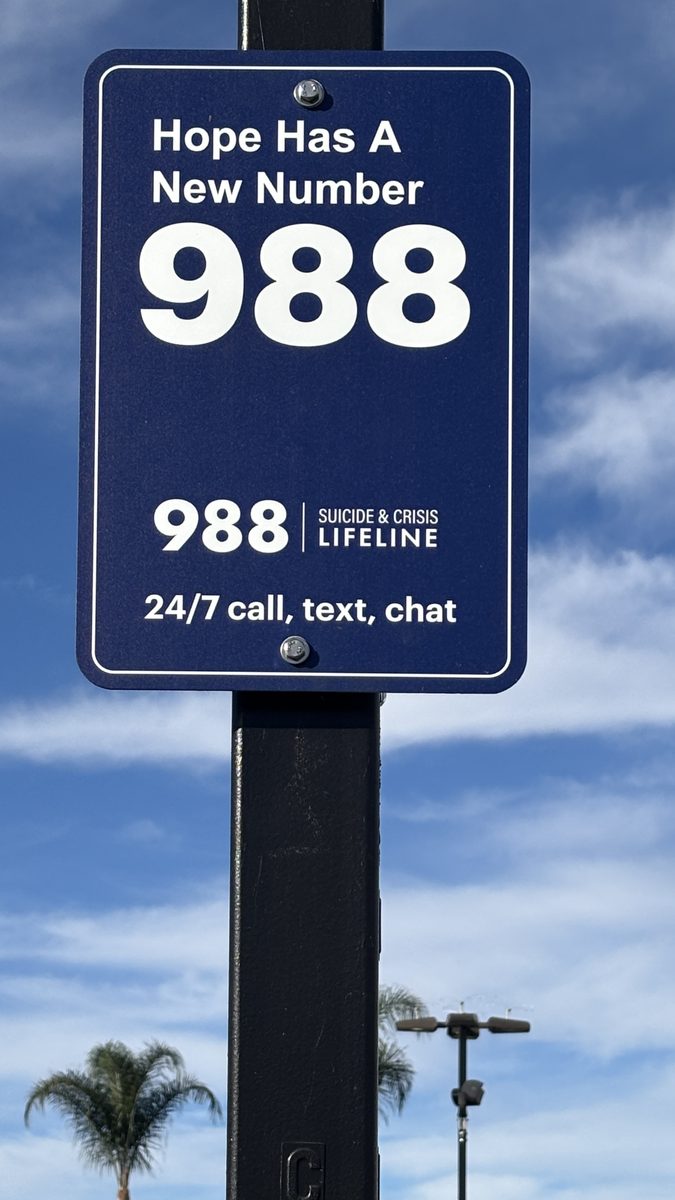
Suicide rates among Americans aged 15 to 34 had climbed for more than a decade. The federal government replaced the 10-digit crisis lifeline with 988 in July 2022. A JAMA study published April 22, 2026 found that suicide deaths in that age group ran 11% below projections over the next two and a half years, an estimated 4,400 fewer deaths.

A May 5 JAMA Network Open study by Samantha Matthews of the RAND Corporation found 71% of 988 call centers understaffed and 89% without funds to hire. Congress has legally required HHS to restore the specialized LGBTQ+ youth line closed in July 2025. Health Secretary Robert F. Kennedy Jr. committed in late-April Senate testimony to comply, but the line has not reopened.

Why it matters

The first hard evidence 988 saves lives arrived as most of its call centers are short on counselors and the LGBTQ+ line Congress required is still closed.

Key Indicators

11%
Decline below projected deaths
Among 15- to 34-year-olds, July 2022 through December 2024.
4,400
Estimated fewer deaths
Difference between actual deaths and the pre-2022 trend.
$1.5B
Federal spending so far
Cumulative investment in 988 since the 2022 launch.
18.2%
Decline in highest-use states
Where 988 call volume rose by an average of 146%.
10.6%
Decline in lowest-use states
Where call volume rose just 24% on average.
71%
Call centers understaffed
Share of 988 centers that reported insufficient staff, per a May 2026 JAMA Network Open survey of 159 centers across 47 states.

Interactive

Exploring all sides of a story is often best achieved with Play.

Ever wondered what historical figures would say about today's headlines?

Sign up to generate historical perspectives on this story.

People Involved

Organizations Involved

Timeline

  1. Study: 71% of 988 call centers understaffed

    Research

    A JAMA Network Open survey of 159 centers found 71% understaffed, 89% lacking funds to hire, and 80% struggling to recruit or keep counselors. Lead author Samantha Matthews of RAND said the findings reflect "broader workforce shortages across the behavioral health crisis system."

  2. Kennedy commits under oath to restore LGBTQ+ 988 service

    Policy

    At a Senate hearing, HHS Secretary Robert F. Kennedy Jr. told Sen. Tammy Baldwin he would restore 988's LGBTQ+ youth service as required by the FY2026 appropriations law. Kennedy said, "I do, senator." The line has not reopened.

  3. JAMA study links 988 to drop in youth suicide deaths

    Research

    Harvard-led team finds suicide deaths among 15- to 34-year-olds ran 11% below projections, an estimated 4,400 fewer deaths.

  4. SAMHSA opens new $231M funding round

    Policy

    The agency announces a fresh grant cycle to keep 988 administration running.

  5. LGBTQ+ Press 3 service ends

    Policy

    SAMHSA closes the specialized subnetwork after $33 million in earmarked funding is exhausted.

  6. 988 goes live nationwide

    Launch

    The three-digit number activates with $1.5 billion in federal money for expanded call-center capacity.

  7. Trump signs 988 designation into law

    Legislation

    The National Suicide Hotline Designation Act sets 988 as the universal three-digit crisis number.

  8. Original 10-digit Lifeline launches

    Policy

    SAMHSA contracts Vibrant Emotional Health to run 1-800-273-TALK as a national crisis network.

Scenarios

Predict which scenario wins. Contrarian picks score more — points lock in when the scenario resolves.

Log in to predict. Track your picks, climb the leaderboard. Log in Sign Up
1

Congress raises 988 funding after JAMA findings

The estimate of 4,400 lives saved gives 988 supporters concrete evidence to defend the program at appropriations hearings. Lawmakers with mental-health priorities in both parties could cite the study to push for larger per-state grants and faster build-out of mobile crisis-response teams. The dose-response pattern in the data makes a direct case for funding underperforming states.

Discussed by: NAMI, American Foundation for Suicide Prevention
Consensus
2

988 budget flattens as broader HHS cuts take hold

Federal funding holds at the current level while state-level matches drop and inflation erodes capacity. Call answer times climb in low-volume states, and the dose-response pattern in the JAMA data implies rising deaths in regions that fall behind. SAMHSA has already exhausted some specialized funding streams, suggesting tighter constraints ahead.

Discussed by: Health Affairs, budget analysts at KFF
Consensus
3

LGBTQ+ Press 3 service is restored

Kennedy has said HHS is working on bringing the service back. The JAMA evidence on population-level effects gives advocates leverage. A reauthorized subnetwork could route under a renamed protocol that addresses political concerns while restoring trained counselors for callers under 25.

Discussed by: The Trevor Project, NAMI, Secretary Kennedy
Consensus
4

Workforce shortage erodes 988's gains

A May 2026 JAMA Network Open study found 71% of 988 centers understaffed and 89% without funds to hire. The April 2026 JAMA population study found larger suicide reductions in states with higher call volumes. That dose-response pattern means a growing counselor shortage could directly increase deaths in states that fall behind on staffing. If call volume keeps rising while the workforce pipeline stalls, answer rates drop and the population-level gains narrow.

Discussed by: Samantha Matthews (RAND Corporation), AJMC, JAMA Network Open
Consensus

Historical Context

911 emergency number standardization (1968)

February 1968

What Happened

Before 1968, Americans dialed dozens of different numbers to reach police, fire, or ambulance. AT&T and the Federal Communications Commission settled on 911 as a national three-digit code. The first call was placed in Haleyville, Alabama, on February 16, 1968.

Outcome

Short Term

Adoption was slow. By the end of 1968 only a few dozen communities had connected their systems to 911.

Long Term

By 1999 about 93% of the U.S. population had 911 coverage. The number is now treated as basic civic infrastructure.

Why It's Relevant Today

988 follows the 911 template. Both compress a long routing chain into three digits, both required years of federal coordination, and both show measurable effects once adoption catches up.

National Suicide Prevention Lifeline launches (2005)

January 2005

What Happened

SAMHSA awarded Vibrant Emotional Health a federal grant to operate 1-800-273-TALK, the first national network linking local crisis centers under one number. By 2021 the network answered more than 2 million calls a year.

Outcome

Short Term

Call volume grew steadily. Studies found callers reported less distress after talking with counselors, but population-level suicide effects were never proven.

Long Term

The Lifeline became the operational backbone for 988 when Congress redesignated the number in 2020. The same Vibrant-managed call-center network now routes 988 traffic.

Why It's Relevant Today

The 10-digit Lifeline had every feature of 988 except memorability. That switching to a shorter number produced measurable population effects is the strongest argument that access design, not service quality, was the prior constraint.

Sources

(10)