


Pull to refresh
Logo
Deriva closes $540M financing for 350 MW Indiana solar project

Deriva closes $540M financing for 350 MW Indiana solar project

Money Moves

Financing backs the largest project Deriva has built, targeting 2028 operation

Today: Deriva closes $540M financing for Sullivan County Power

Overview

Updated 1 hour ago

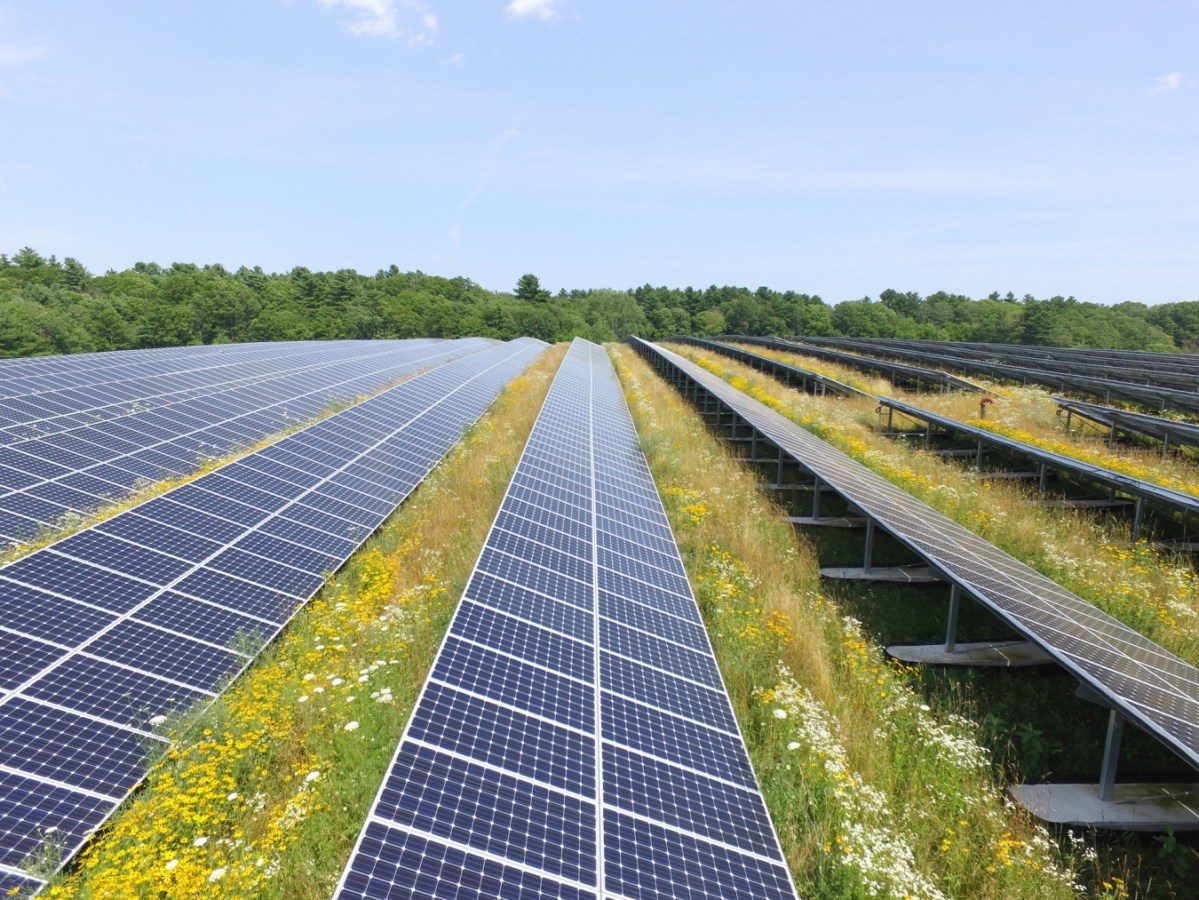
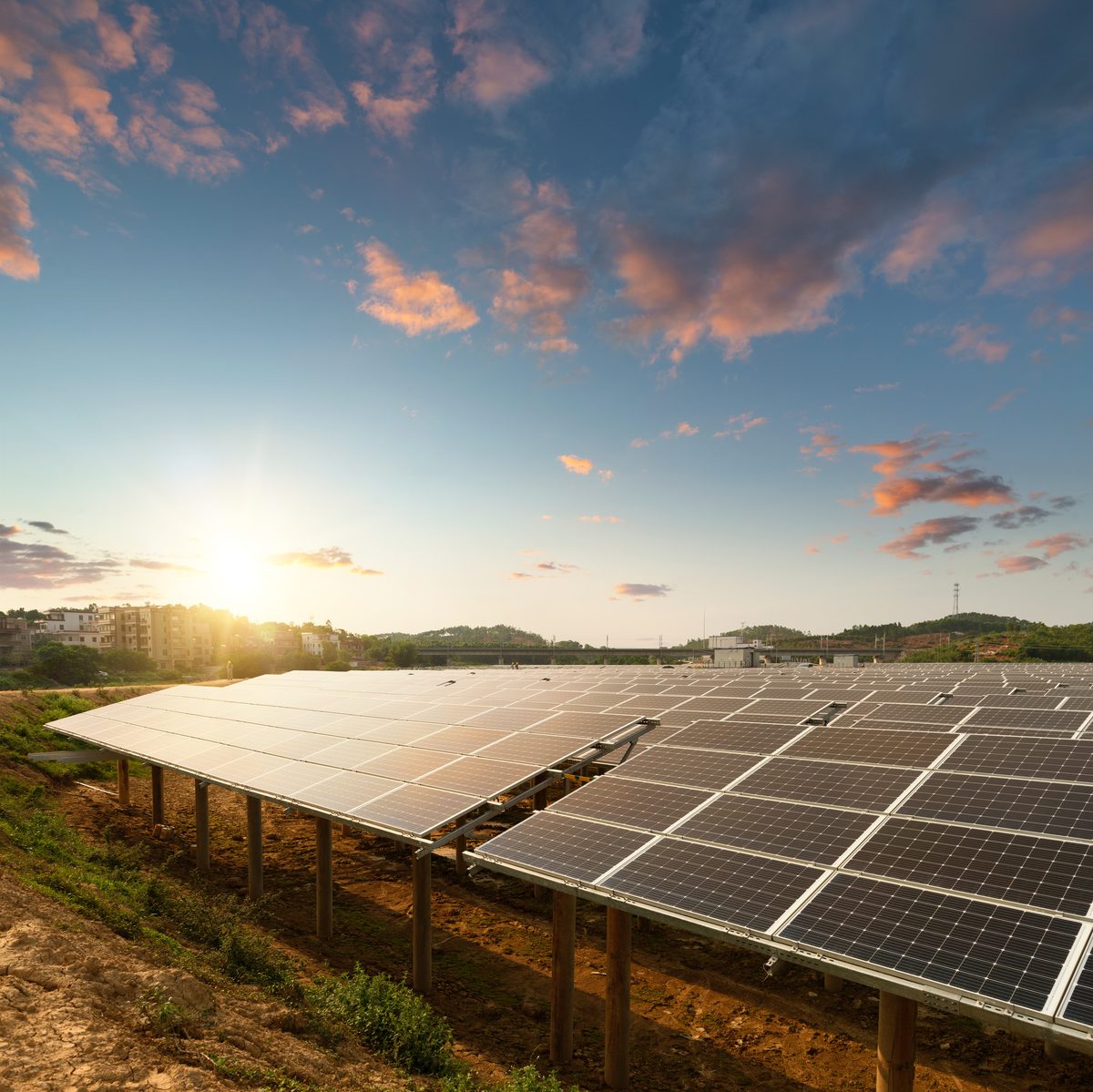
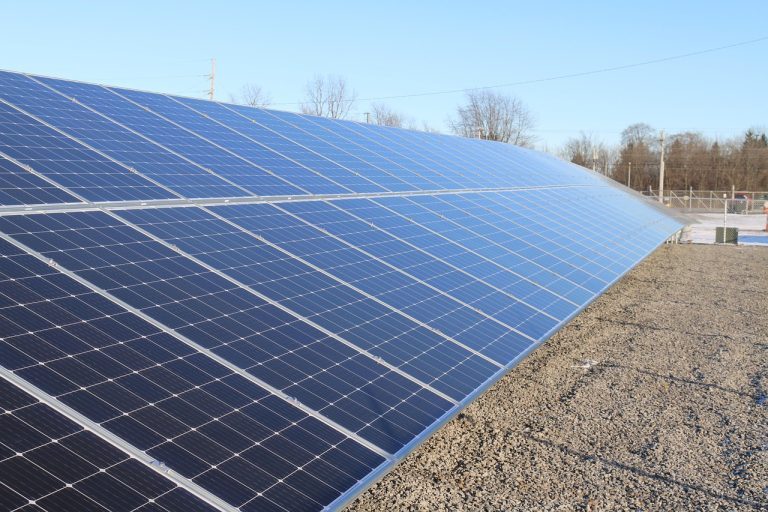
Deriva Energy closed about $540 million in financing on October 21 for the Sullivan County Power Project, a 350 MW solar farm under construction in Sullivan County, Indiana. It is the largest project the Charlotte-based renewables developer has built to date.

The five-bank financing covers the project's construction costs as it heads toward a target commercial operation date in the second quarter of 2028. Power will flow into the Midcontinent Independent System Operator (MISO) grid through a 345 kilovolt transmission interconnection.

Why it matters

If it reaches operation on schedule, the 350 MW project adds real capacity to the MISO grid and shows banks still fund large utility-scale solar.

Questions about this story

Free account needed to ask — your question is kept and asked for you right after sign-up. Answers are public.

No questions yet — be the first to ask.

Key Indicators

$540M
Project financing
Closed from a five-bank club led by Royal Bank of Canada as administrative agent.
350 MW
Solar capacity
AC capacity of the Sullivan County Power Project. The IURC filing cited up to about 400 MW AC capability.
7 GW
Deriva operating portfolio
Deriva's existing operating assets across US power markets.
Q2 2028
Target commercial operation
Projected COD per IURC filings and Deriva's construction plan.

Voices

Curated perspectives — historical figures and your fellow readers.

Ever wondered what historical figures would say about today's headlines?

Sign up to generate historical perspectives on this story.

People Involved

Organizations Involved

Timeline

June 2025 October 2026

5 events Latest: Today
Tap a bar to jump to that date
  1. Deriva closes $540M financing for Sullivan County Power

    Today Financing

    Deriva announces about $540 million in financing from a five-bank club. Press release dated October 21; reported widely October 22.

  2. Construction begins

    Construction

    Work starts on the roughly 2,000-acre solar field in Q2 2026 as targeted in IURC filings.

  3. County commissioners table project agreements

    Local Government

    Commissioners table revised EDA, road use, and decommissioning agreements pending written tri-trade labor commitment.

  4. IURC grants declination of jurisdiction

    Regulatory Decision

    Commission declines jurisdiction, finding the project adds generation capacity beneficial to Indiana. All five commissioners concur.

  5. Sullivan County Power petitions IURC

    Regulatory Filing

    Project entity files for declination of jurisdiction under Indiana Code section 8-1-2.5-5, citing wholesale generator status.

Scenarios

1

Sullivan County Power reaches commercial operation on schedule

Possible Resolves by Q2 2028

Discussed by: Deriva Energy press materials and IURC filings

Construction proceeds through 2027, the Gibson-Merom 345 kV interconnection is energized, and Deriva announces commercial operation in Q2 2028 as targeted. Financing is in place and the county labor agreements appear resolvable, so this outcome rests on construction and interconnection executing cleanly.

2

Commercial operation slips past Q2 2028

Likely Resolves by Q2 2028

Discussed by: County EDA amendment citing MISO queue delays; unresolved labor commitments

The economic development agreement amendment already cites construction delays from MISO interconnection queue processes. If those delays or labor disputes push construction past Q2 2028, Deriva would announce a revised COD date, extending the project's timeline.

3

Deriva applies the Sullivan financing template to its next project

Likely Resolves by End of 2027

Discussed by: Thomas Hopkins, Deriva head of capital markets and treasury

Hopkins said the Sullivan financing provides a framework for Deriva's development pipeline. If Deriva closes a similar bank-club deal for another solar or storage project by the end of 2027, this scenario resolves YES and signals the financing structure became a repeatable model.

Historical Context

2 moments from history that rhyme with this story — and how they unfolded.

June 2025 - October 2025

IURC declination of jurisdiction for Sullivan County Power (2025)

Sullivan County Power petitioned the Indiana Utility Regulatory Commission under Indiana Code section 8-1-2.5-5, which allows the Commission to decline jurisdiction over wholesale generators selling into organized markets. The Commission granted the request October 8, 2025, with all five commissioners concurring. The order required the project to forgo eminent domain, local zoning exemptions, and any retail sales in Indiana.

Then

The project gained clear regulatory footing as a wholesale generator under MISO and Federal Energy Regulatory Commission rules.

Now

The ruling established the jurisdictional path for a large solar project to proceed in Indiana without state public utility regulation.

Why this matters now

The declination was a precondition for the $540M financing. Lenders could underwrite a project with defined jurisdictional status and market-based rate authority.

2022

Inflation Reduction Act tax credits reshape solar financing (2022)

The Inflation Reduction Act expanded investment and production tax credits for solar and battery storage. The credits made large utility-scale projects more financeable by reducing the capital cost burden on developers and improving lender returns.

Then

Utility-scale solar project financings became more common across the United States as developers and banks priced in the tax benefits.

Now

Federal tax credits now anchor the financial models of projects like Sullivan County Power.

Why this matters now

Sullivan County's financing closes in this tax-credit environment. The credit framework shapes the project economics that the five banks underwrote.

Sources

(7)