




Pull to refresh
Logo
Judge rejects Justice Department bid to block Alaska Senate certification

Judge rejects Justice Department bid to block Alaska Senate certification

Rule Changes

Senator Dan Sullivan says he will accept the result; the department is appealing to the Ninth Circuit two days before the vote

Overview

Updated 1 hour ago

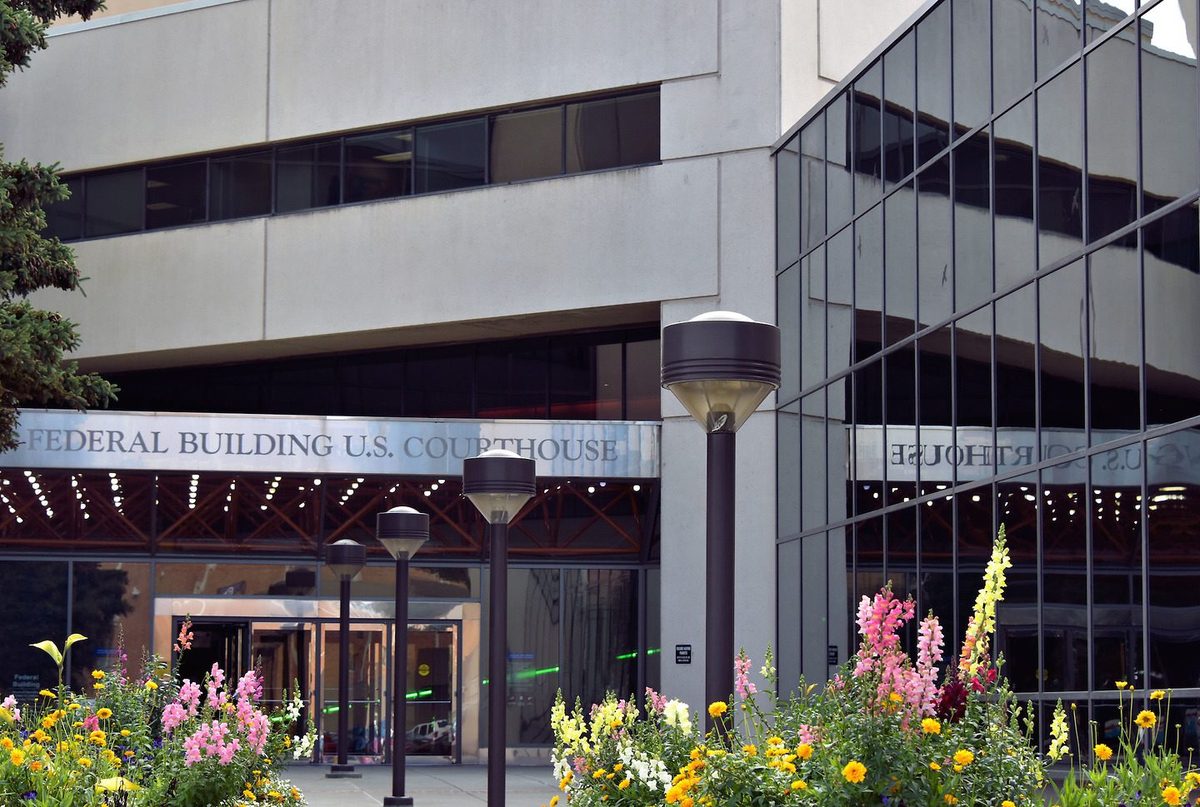
A federal judge in Alaska dismissed a Justice Department lawsuit on Sunday that sought to block the state from certifying its Senate election if Republican incumbent Dan Sullivan loses. Judge Sharon Gleason ruled that with ballots already cast and commingled, the government offered no workable way to set aside votes for a second candidate named Dan Sullivan without revealing how individuals voted.

The suit asked the court to step in only if two things happened: Sullivan loses, and the votes cast for Daniel J. Sullivan Jr would have reversed the outcome under Alaska's ranked-choice count. The department filed a notice of appeal to the Ninth Circuit the same day, and the election is Tuesday.

Why it matters

The government asked a court to set aside an election before the votes were counted. The dismissal keeps Alaska's certification on its normal schedule.

Questions about this story

Free account needed to ask — your question is kept and asked for you right after sign-up. Answers are public.

No questions yet — be the first to ask.

Key Indicators

2
Candidates named Dan Sullivan on the ballot
The incumbent is listed as Dan S Sullivan; the other as Daniel J Sullivan Jr.
2.5%
Daniel J. Sullivan Jr's primary vote share
His share of the primary vote after the Alaska Supreme Court let him stay on that ballot.
7
Senate races rated toss-ups
Alaska is one of the contests expected to decide which party controls the chamber.

Voices

Curated perspectives — historical figures and your fellow readers.

Sign up to generate historical perspectives on this story.

People Involved

Organizations Involved

Timeline

2026 November 2026

4 events Latest: Today
Tap a bar to jump to that date

Scenarios

1

Sullivan wins and the challenge dies with the race

Likely Resolves by Nov 30, 2026

Discussed by: Senator Sullivan, who told CNN he expects to win and will accept the result

If Sullivan finishes ahead after ranked-choice tabulation, the condition the suit was built around never occurs. The appeal would have nothing left to block, and the case would likely be dismissed as moot.

2

Peltola wins and Alaska certifies over the department's objection

Possible Resolves by Jan 31, 2027

Discussed by: Election lawyers quoted across the coverage, who noted the ruling turned on ballot secrecy

If Peltola wins, the state would move to certify unless the Ninth Circuit intervenes first. Gleason's finding that the ballots cannot be separated without breaking secrecy would be the central issue on appeal.

3

Ninth Circuit revives the suit before certification

Unlikely Resolves by End of 2026

Discussed by: The Justice Department, which filed its appeal the day of the ruling

The department asked the Ninth Circuit to review the dismissal immediately. A reversal would put a court back in the position of ordering Alaska to hold ballots aside, days before or after the count.

Historical Context

3 moments from history that rhyme with this story — and how they unfolded.

November-December 2000

Bush v. Gore (2000)

Florida's presidential recount ran for five weeks with George W. Bush and Al Gore separated by hundreds of votes. Courts at the state and federal level issued competing rulings on whether and how counting could continue.

Then

The Supreme Court ruled 5-4 on December 12 to stop the recount, leaving Bush ahead in Florida and effectively deciding the presidency.

Now

The case set the modern template for asking courts to halt a count, and it made certification deadlines a legal battleground.

Why this matters now

The Alaska suit made a similar request: stop certification before the count is finished, on the theory that the process itself would produce the wrong winner.

November 2008-June 2009

Minnesota Senate recount (2008-2009)

Norm Coleman led Al Franken by a few hundred votes out of roughly 2.9 million cast. A mandatory recount flipped the lead to Franken, and Coleman challenged the result in court.

Then

A three-judge panel upheld Franken's lead, and Coleman conceded on June 30, 2009, seven months after the election.

Now

The seat stayed empty for months, showing how long a contested certification can delay representation in the Senate.

Why this matters now

Alaska's ranked-choice count and any appeal could stretch past the January seating of the new Congress, leaving the state with one senator in the interim.

August 2022

Peltola's ranked-choice House win (2022)

Mary Peltola won Alaska's at-large House seat in a ranked-choice special election, defeating Sarah Palin after lower-ranked choices were redistributed.

Then

She became the first Alaska Native elected to Congress and the first Democrat to hold the seat in decades.

Now

The result made Alaska one of the most visible tests of ranked-choice voting in federal elections.

Why this matters now

The same ranked-choice system now decides her Senate race, and the same system is what the Justice Department asked a court to set aside.

Sources

(7)