
Pull to refresh
Logo
Gut antibody IgA acts as a brake on colon cell division, curbing tumors in mice

Gut antibody IgA acts as a brake on colon cell division, curbing tumors in mice

New Capabilities

Mice without IgA developed more than twice as many colon tumors; oral doses of the antibody erased the excess.

Overview

Updated 1 hour ago

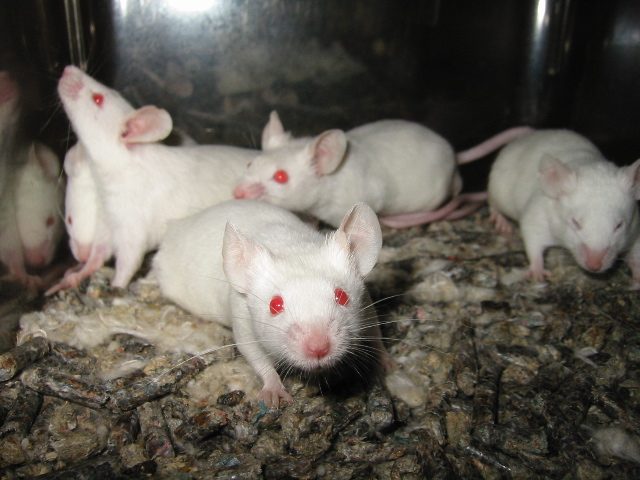
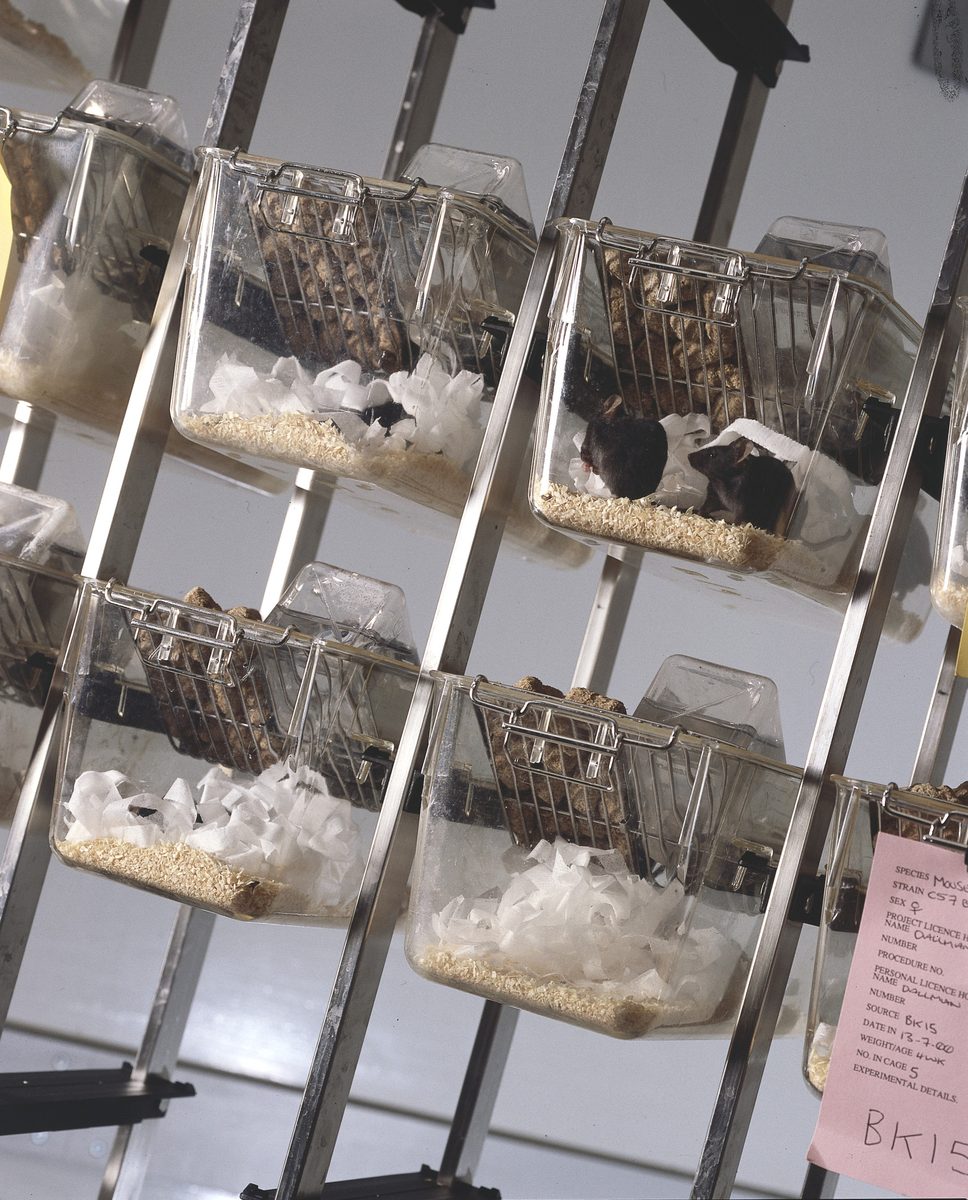
Roughly one in 500 Americans has little or no immunoglobulin A, the antibody the gut produces in larger quantities than any other. In mice raised in identical cages, that absence more than doubled the number of colon tumors. A Rockefeller University team reported the reason in Nature: IgA normally slows the division of the cells that line the colon.

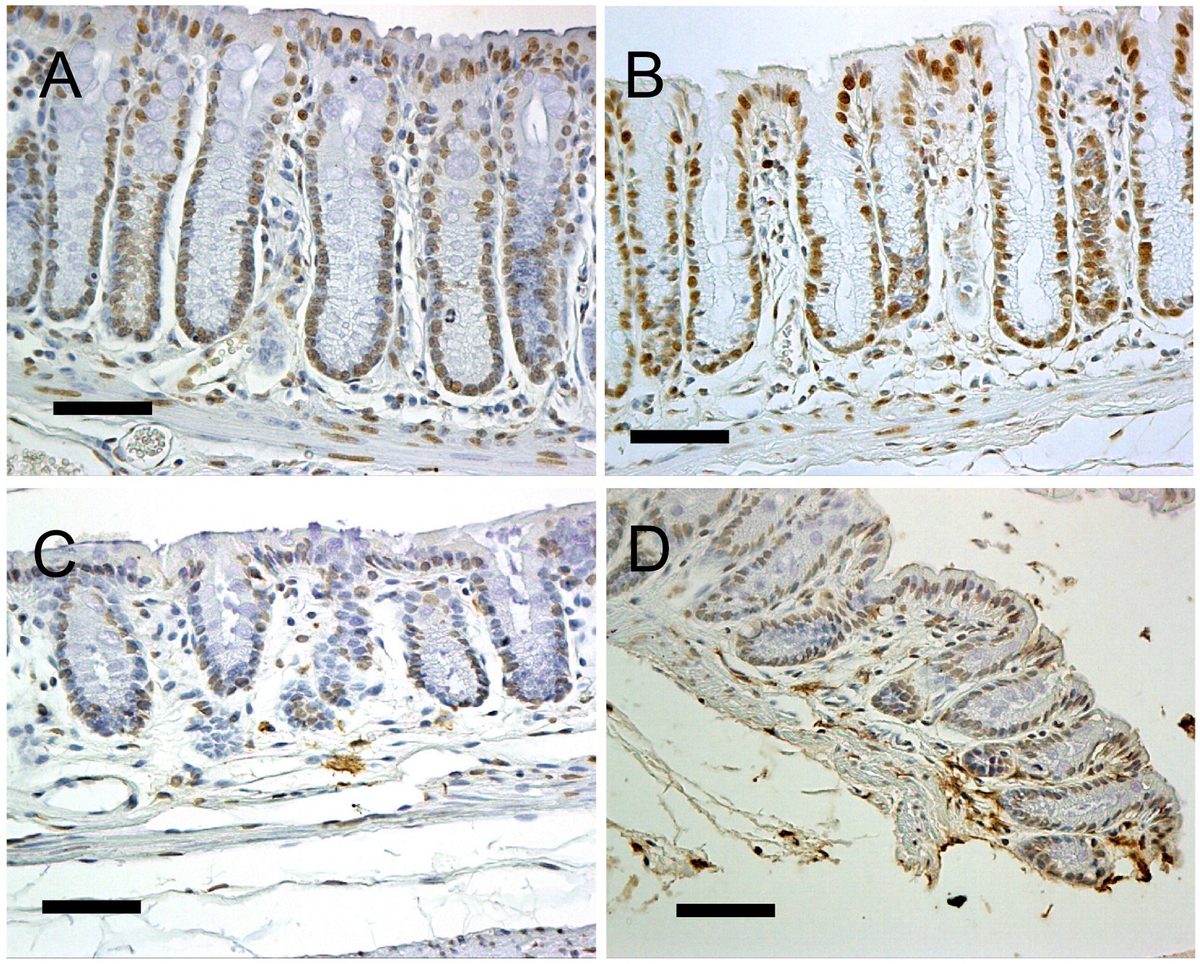
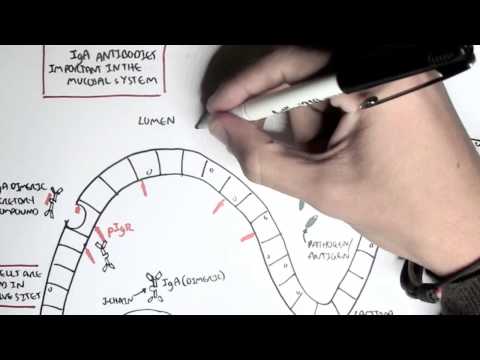
The brake runs through a surface protein called DMBT1. When IgA binds it, epithelial cells cycle at a normal pace; without IgA, DMBT1 signaling accelerates division and tumors follow. Giving IgA-deficient mice oral doses of the antibody restored normal turnover and removed the extra cancer risk. The protection depended on the antibody's structure, not on which bacteria it recognized.

Why it matters

If the mechanism holds in people, IgA or its DMBT1 receptor could become a target for preventing colon cancer before tumors form.

Questions about this story

Free account needed to ask — your question is kept and asked for you right after sign-up. Answers are public.

No questions yet — be the first to ask.

Key Indicators

2×
Increase in colon tumors, IgA-deficient mice
Compared with co-housed littermates that had IgA.
1 in 500
People in the US with IgA deficiency
Estimated prevalence cited by Rockefeller University.
2
Mouse colon cancer models tested
An APC-driven model and an azoxymethane-DSS colitis model.
10 days
MIF-inhibitor treatment that normalized proliferation
Blocking MIF signaling equalized tumor burden between IgA-deficient and control mice.

Voices

Curated perspectives — historical figures and your fellow readers.

Sign up to generate historical perspectives on this story.

People Involved

Organizations Involved

Timeline

October 2023 November 2026

3 events Latest: Today
  1. Nature publishes peer-reviewed study

    Today Publication

    The paper identified DMBT1 as the epithelial receptor through which IgA slows proliferation.

  2. Rockefeller announces findings

    Today Statement

    The university described the tumor-suppressing effect and possible prevention paths.

  3. Preprint links IgA to colon cell growth

    Research

    A bioRxiv preprint reported that IgA deficiency raised colon tumor counts in mice.

Scenarios

1

IgA-based prevention therapy enters a human trial

Possible Resolves by End of 2030

Discussed by: Rockefeller researchers Daniel Mucida and Gregory Donaldson, who described prevention as the goal

Mucida and Donaldson say the mechanism could be targeted after polyps are removed, when current options are limited. A trial would likely start with an IgA formulation or a DMBT1-pathway drug tested for polyp recurrence. No company has announced such a program.

2

Independent labs reproduce the IgA–DMBT1 link

Likely Resolves by End of 2028

Discussed by: The Nature authors, who call for follow-up work on the pathway

The core claim, that IgA binding DMBT1 restrains epithelial proliferation, rests on mouse models and cell culture from one group. Replication by outside labs, in mice or human tissue, would move it toward clinical relevance.

3

A probiotic designed to trigger protective IgA reaches testing

Unlikely Resolves by End of 2030

Discussed by: Gregory Donaldson, who called the idea speculative

Donaldson noted evidence that some bacterial species may protect the gut lining, raising the possibility of a probiotic that induces a protective IgA response. Any product would need an investigational new drug application before human testing.

Historical Context

3 moments from history that rhyme with this story — and how they unfolded.

1991

APC gene identified as a colon cancer gatekeeper (1991)

Several research groups cloned the adenomatous polyposis coli (APC) gene, whose inherited mutations cause familial adenomatous polyposis and most sporadic colon cancers. It became the model of a tumor-suppressor gatekeeper.

Then

Gave a molecular explanation for inherited colon cancer and a target for genetic testing.

Now

APC remains the most common early mutation in colorectal cancer, and mouse APC models underpin prevention research, including the IgA study.

Why this matters now

The IgA work adds a second, immunological brake on the same epithelial cells that APC regulates.

1994

H. pylori classified as a gastric carcinogen (1994)

After Barry Marshall and Robin Warren cultured Helicobacter pylori in the 1980s, the International Agency for Research on Cancer classified the bacterium as a Group 1 carcinogen in 1994.

Then

Antibiotic treatment of infection became standard, and gastric cancer rates fell in some populations.

Now

Established that a microbe-host interaction can cause cancer, opening a path to prevention through infection control.

Why this matters now

The IgA study extends that logic: how the immune system handles gut bacteria, not just the bacteria themselves, shapes cancer risk.

June 2006

HPV vaccine approved for cervical cancer prevention (2006)

The Food and Drug Administration approved Gardasil, the first vaccine against human papillomavirus, the virus responsible for most cervical cancers.

Then

Routine adolescent vaccination was introduced, with uptake varying by country and region.

Now

Countries with high coverage have seen sharp drops in HPV infections and precancerous lesions.

Why this matters now

Shows how identifying a cancer's upstream cause can yield prevention rather than treatment, the path IgA research would need to follow.

Sources

(3)