

Pull to refresh
Logo
Scientists find protein that lets 'zombie cells' hide from immune system

Scientists find protein that lets 'zombie cells' hide from immune system

New Capabilities

Blocking PD-L2 in mice cleared aging cells, cut inflammation, and improved blood sugar and strength

Today: PD-L2 identified as zombie cell shield

Overview

Updated 1 hour ago

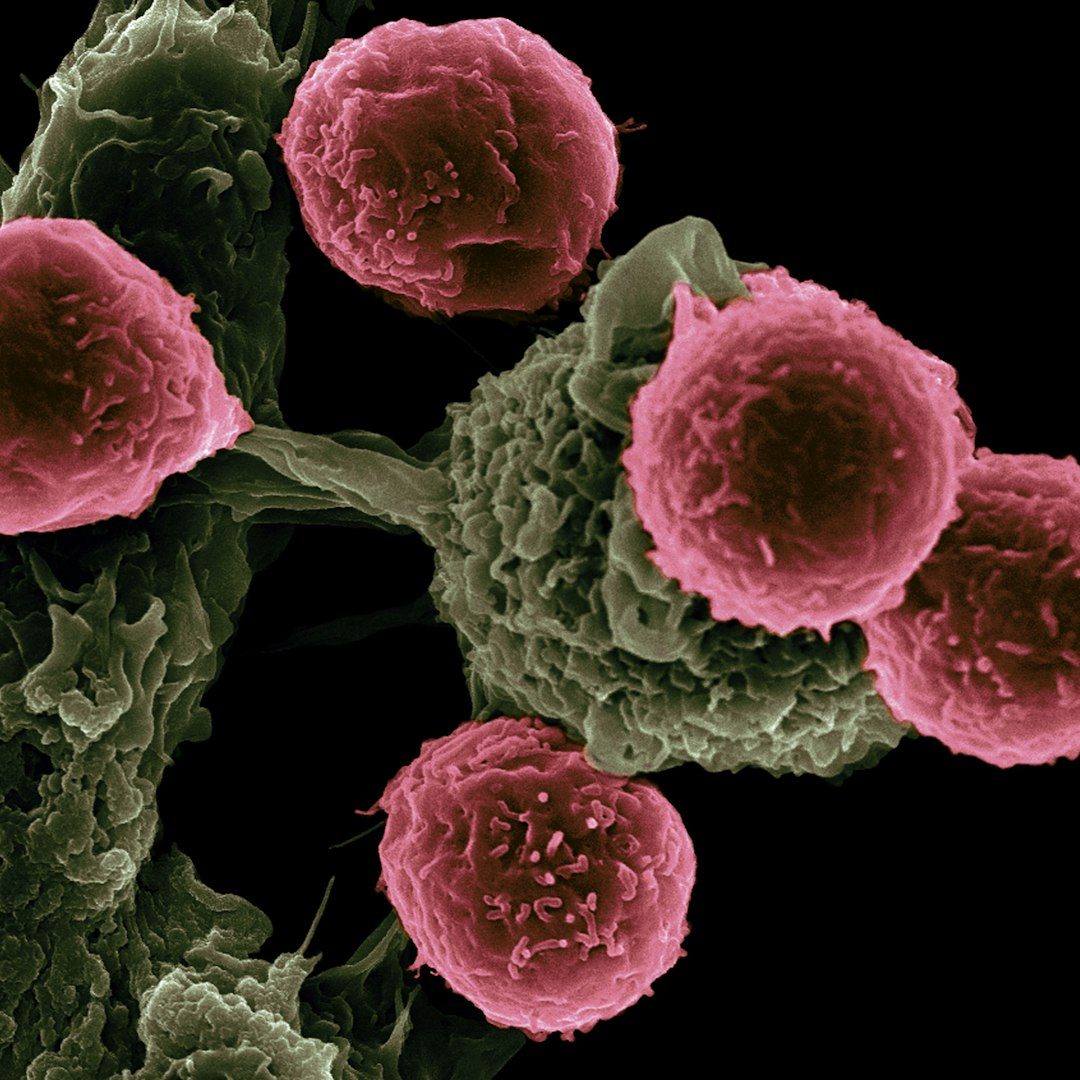
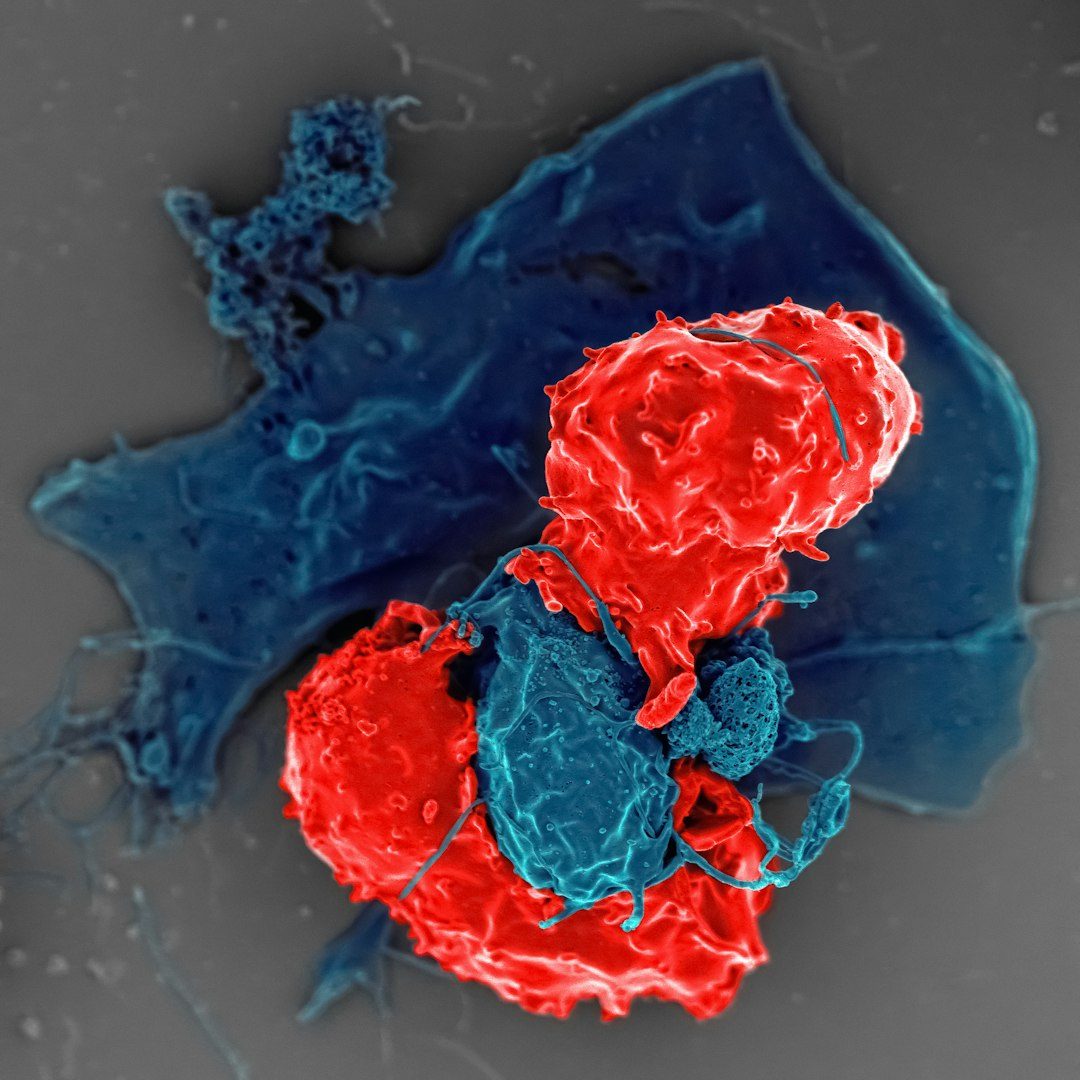
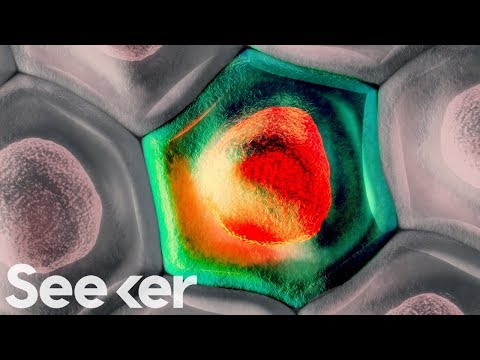
A protein called PD-L2 helps aging "zombie cells" hide from the immune system, scientists at Cedars-Sinai reported. Blocking the protein in mice let the immune system clear these cells, reduced inflammation, and improved blood sugar regulation and grip strength.

The finding, published in Cell Metabolism, points to a new way to fight age-related disease. Instead of killing senescent cells directly, a therapy could help the body remove them on its own. The team also found PD-L2 levels rise with age in human tissues, suggesting the mechanism may apply to people.

Why it matters

If PD-L2 blocking works in people, the immune system could clear the aging cells that drive inflammation and age-related disease.

Questions about this story

Free account needed to ask — your question is kept and asked for you right after sign-up. Answers are public.

No questions yet — be the first to ask.

Key Indicators

PD-L2
Identified protein
Helps senescent cells evade immune clearance
Mice
Model organism
Blocking PD-L2 reduced senescent cells and inflammation in mice
Cell Metabolism
Publication venue
Peer-reviewed journal that published the study

Voices

Curated perspectives — historical figures and your fellow readers.

Ever wondered what historical figures would say about today's headlines?

Sign up to generate historical perspectives on this story.

People Involved

Organizations Involved

Timeline

September 2026 October 2026

2 events Latest: Today
  1. PD-L2 identified as zombie cell shield

    Today Research

    Cedars-Sinai researchers published in Cell Metabolism that PD-L2 helps senescent cells evade immune clearance. Blocking it in mice reduced these cells and improved health measures.

  2. Mitochondrial leaks linked to zombie cell inflammation

    Research

    Scientists reported that damaged mitochondria in senescent cells leak DNA and RNA, triggering inflammation. A drug called CTPI-2 reduced this in mice.

Scenarios

1

PD-L2 blocking moves to human trials

Possible Resolves by End of 2028

Discussed by: The Cedars-Sinai research team

If safety studies in larger animals continue to show benefit, the approach could advance to human trials. The team plans to investigate whether blocking PD-L2 is safe and delivers health benefits in people. This would be a new class of therapy that lets the immune system clear senescent cells naturally.

2

PD-L2 becomes a blood biomarker for aging

Possible Resolves by End of 2028

Discussed by: The Cedars-Sinai research team

The protein could serve as a blood marker to detect and monitor senescent cell burden. This could help identify people at risk for age-related diseases and track the effectiveness of senolytic therapies. The team found PD-L2 levels rise with age in human tissues, supporting this possibility.

3

Approach stalls in translation

Possible Resolves by End of 2028

Discussed by: Researchers concerned about immune checkpoint safety

The mechanism may not translate to humans, or blocking PD-L2 could cause safety problems. PD-L2 is part of the PD-1 immune checkpoint pathway, and interfering with it could trigger autoimmune reactions. The team acknowledges more research is needed before the approach can be considered for treating people.

Historical Context

3 moments from history that rhyme with this story — and how they unfolded.

2014-2018

PD-1 checkpoint inhibitors in cancer (2014-2018)

Cancer cells use the PD-L1 protein to switch off immune attack. Drugs that block this pathway, pembrolizumab (Keytruda) and nivolumab (Opdivo), let the immune system recognize and kill tumors. These drugs transformed cancer treatment.

Then

PD-1 inhibitors became standard care for several cancers, including melanoma and lung cancer.

Now

The approach established that blocking immune checkpoints can treat disease, opening a new class of immunotherapy.

Why this matters now

PD-L2 is part of the same PD-1 pathway. Senescent cells appear to use a similar immune-evasion trick as cancer cells, suggesting checkpoint-blocking strategies could apply to aging.

1961

Hayflick limit and cellular senescence (1961)

Leonard Hayflick discovered that human cells divide a limited number of times, about 50, before stopping. This established the concept of cellular senescence, where cells stop dividing but remain alive.

Then

The finding challenged the idea that cultured cells are immortal.

Now

Cellular senescence became a central concept in aging research, linking cell behavior to organismal aging.

Why this matters now

Senescent cells, the 'zombie cells' of this study, are the same cells Hayflick described. Understanding why they accumulate is key to aging research.

2019-2020

First senolytic trials (2019-2020)

The first clinical trials of senolytics, drugs that kill senescent cells, began. Early candidates included dasatinib and quercetin, tested for conditions like idiopathic pulmonary fibrosis.

Then

Early trials showed some promise in reducing senescent cell burden.

Now

Senolytics remain experimental, with open questions about safety and effectiveness.

Why this matters now

PD-L2 blocking is a different approach. Instead of killing senescent cells directly, it would let the immune system clear them naturally, potentially avoiding some senolytic side effects.

Sources

(3)