

Pull to refresh
Logo
Taiwan closes Papua New Guinea office and halts LNG purchases, blaming China

Taiwan closes Papua New Guinea office and halts LNG purchases, blaming China

Force in Play

Taipei is withdrawing staff and ending technical aid after Port Moresby ordered its office shut.

Overview

Updated 1 hour ago

Taiwan is closing its representative office in Port Moresby and withdrawing its staff from Papua New Guinea. Taipei is also ending technical aid and will not sign new spot contracts for Papua New Guinea's liquefied natural gas (LNG).

The office opened in 1990, one of the few unofficial channels Taiwan had left in the Pacific. Taiwan was buying about a third of Papua New Guinea's LNG exports, so the cutoff puts real revenue at stake.

Why it matters

Taiwan is testing whether trade pressure can protect the unofficial relationships it is losing to Beijing.

Questions about this story

Free account needed to ask — your question is kept and asked for you right after sign-up. Answers are public.

No questions yet — be the first to ask.

Key Indicators

About one-third
Share of Papua New Guinea's LNG exports bought by Taiwan
Taiwan was one of Port Moresby's largest gas customers.
8%
Share of Taiwan's natural gas imported from Papua New Guinea
Small enough that Taipei says it has replacement supply.
500,000 tonnes
Spot LNG purchases Taiwan planned for the first half of 2026
Taipei cancelled the planned spot purchases.
12
Countries with formal diplomatic ties to Taiwan
Three are Pacific island nations: Palau, Tuvalu and the Marshall Islands.
95%
Share of Taiwan's energy that is imported
Natural gas generates nearly half of Taiwan's electricity.
About half
Share of Papua New Guinea's exports that are LNG
Gas is the country's largest export commodity.

Voices

Curated perspectives — historical figures and your fellow readers.

Sign up to generate historical perspectives on this story.

People Involved

Organizations Involved

Timeline

July 2026 November 2026

4 events Latest: Yesterday
Tap a bar to jump to that date
  1. Taiwan announces it will close the office itself

    Latest Diplomatic

    Taipei says it will withdraw all staff and end technical, medical and scholarship programs.

  2. Taiwan halts spot LNG purchases

    Economic

    Taipei stops one-off gas buys from Papua New Guinea and says it will seek other supply.

  3. Taiwan reviews LNG and broader economic ties

    Statement

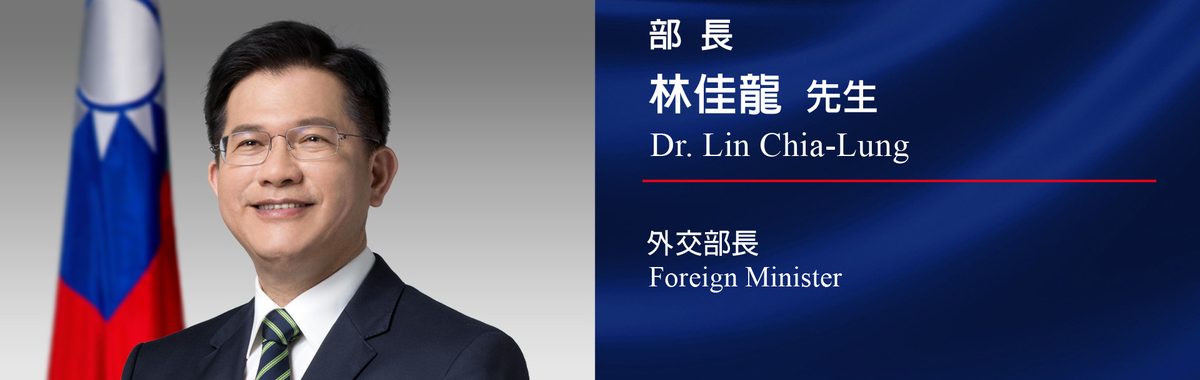
    Foreign Minister Lin Chia-lung says Taipei is examining its economic exchanges with Papua New Guinea.

  4. Papua New Guinea orders Taiwan's office closed

    Diplomatic

    Port Moresby says the move aligns with its One-China policy and deeper ties with Beijing.

Scenarios

1

Taiwan's Port Moresby office stays closed through mid-2027

Likely Resolves by Q2 2027

Discussed by: Taiwan's Ministry of Foreign Affairs; Pacific analysts cited by Radio Free Asia

Taipei has withdrawn its staff and ended the technical and medical missions that gave the office much of its purpose. Papua New Guinea has formal ties with Beijing and has already repeated its demand for closure. No negotiating track is visible.

2

Another Pacific country downgrades its Taiwan office

Possible Resolves by End of 2027

Discussed by: Jozef Huljak, Constantine the Philosopher University

Huljak warned that if Papua New Guinea's switch goes unanswered, it could become a template for governments that accept Chinese incentives and assume Taiwan cannot respond. Taipei's LNG cutoff is meant to raise that cost. A second Pacific downgrade would show the warning failed.

3

Papua New Guinea replaces Taiwan's gas sales and the pressure fades

Possible Resolves by Q2 2027

Discussed by: Jozef Huljak, Constantine the Philosopher University

Huljak argued that a full break would cost Taiwan more in energy security than it costs Papua New Guinea in export revenue, because Taiwan relies on imported gas for nearly half its electricity. If Port Moresby finds other buyers for the spot volumes, Taipei's main lever loses force.

Historical Context

3 moments from history that rhyme with this story — and how they unfolded.

September 2019

Solomon Islands switches to China (2019)

Solomon Islands' government cut ties with Taiwan after 36 years and recognized Beijing. The decision was contested domestically; Malaita province opposed it. China promised infrastructure and deeper cooperation.

Then

Taiwan lost a Pacific ally, and Beijing gained a foothold in a region where Canberra and Washington had long been dominant.

Now

In 2022, Solomon Islands signed a security cooperation framework with China, expanding Beijing's naval and policing access.

Why this matters now

It shows that a diplomatic switch in the Pacific can lead to security ties, and that Taipei has few ways to reverse one.

June 2017

Panama recognizes Beijing (2017)

Panama ended more than a century of ties with Taiwan and recognized Beijing, saying China offered economic opportunities. Taiwan accused Beijing of using money to pull allies away.

Then

Taiwan's formal ally count fell; the Dominican Republic, El Salvador and others followed within two years.

Now

Recognition switches became a routine tool of Chinese pressure, and Taiwan's formal diplomatic list kept shrinking.

Why this matters now

The same economic pull Taipei blames in Papua New Guinea has repeatedly moved countries toward Beijing.

September 2010

China restricts rare earth exports to Japan (2010)

After a Chinese trawler collided with Japanese coast guard vessels near disputed islands, China slowed rare earth shipments to Japan. Japan depended on China for most of its rare earth supply.

Then

Japanese manufacturers scrambled for alternatives, and the dispute escalated diplomatically.

Now

Japan diversified suppliers and stockpiled rare earths; a World Trade Organization challenge later ruled against China's export limits.

Why this matters now

It shows how a resource-dependent target can adapt, and why trade leverage in a diplomatic dispute is rarely one-sided.

Sources

(7)