



Pull to refresh
Logo
Timor-Leste poverty falls as electricity, water and housing reach more households

Timor-Leste poverty falls as electricity, water and housing reach more households

Money Moves

Survey shows poverty down from 48.4% to 37% over a decade, as petroleum-funded services expanded

Yesterday: Human Progress publishes summary of the poverty report

Overview

Updated Yesterday

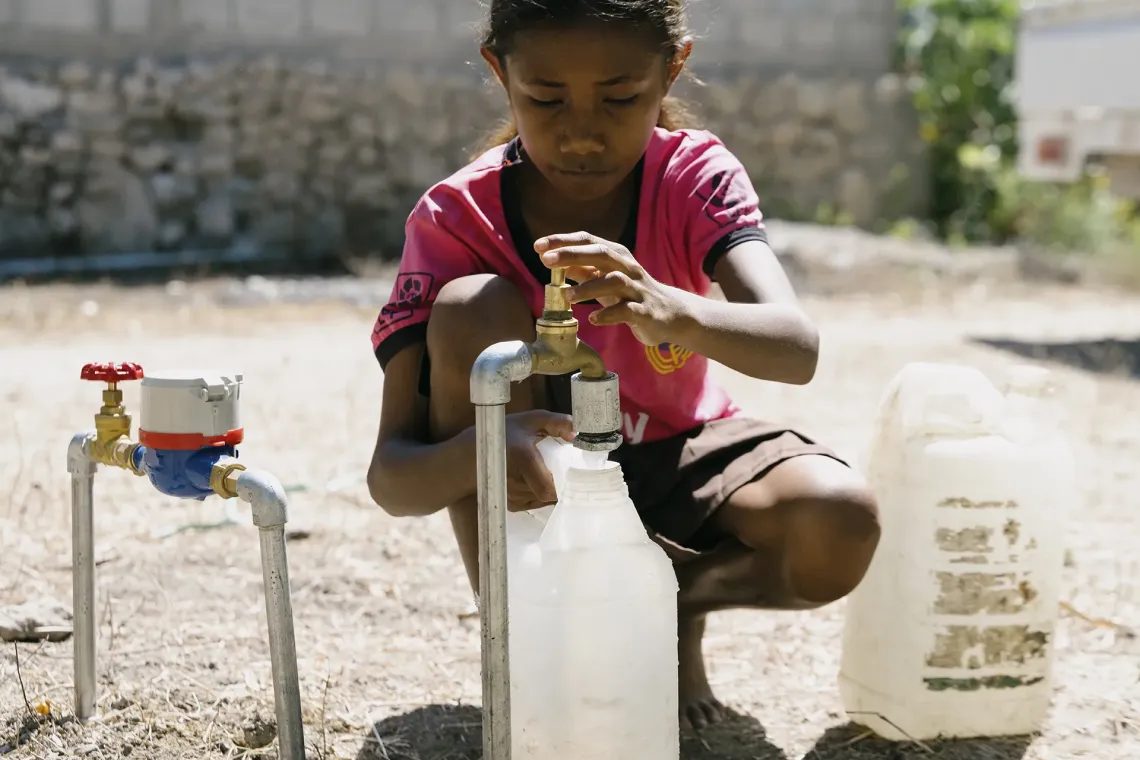
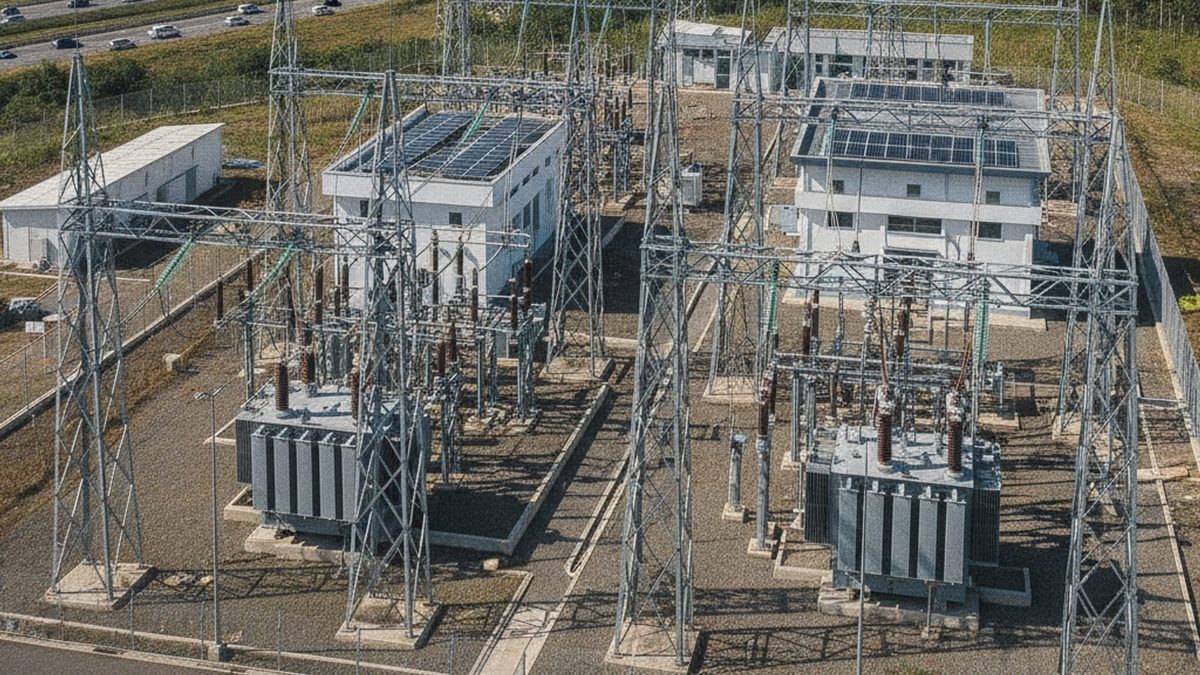
Timor-Leste's poverty rate fell from 48.4% in 2014 to 37% in 2024, according to the living-conditions report presented on October 20 by the Ministry of Finance and the National Institute of Statistics. The 11.4-point decline came alongside rapid service gains: the share of the population without electricity dropped from 27.9% to 1.7%, and those without safe drinking water fell from 25.4% to 9.1%.

The gains were paid for by oil and gas revenue that has now ended. The Bayu-Undan field stopped producing in 2025, and the World Bank warns the Petroleum Fund could be depleted by 2038 under current spending patterns. Statisticians also adjusted the 2014 baseline from 41.8% to 48.4% so the two surveys could be compared, a methodological change that reframes how steep the decade's decline actually was.

Why it matters

The oil money that funded Timor-Leste's poverty gains ended in 2025. The next decade depends on non-oil growth replacing it.

Questions about this story

Free account needed to ask — your question is kept and asked for you right after sign-up. Answers are public.

No questions yet — be the first to ask.

Key Indicators

37%
National poverty rate, 2024
Down from 48.4% in 2014 on the adjusted baseline.
1.7%
Population without electricity, 2024
Down from 27.9% in 2014; state utility EDTL now serves 93.6% of households.
9.1%
Population without safe drinking water, 2024
Down from 25.4% in 2014.
42.6%
Population in adequate housing, 2024
Up from 22.4% in 2014; less than half of households still reach the standard.
45.5%
Rural poverty rate, 2024
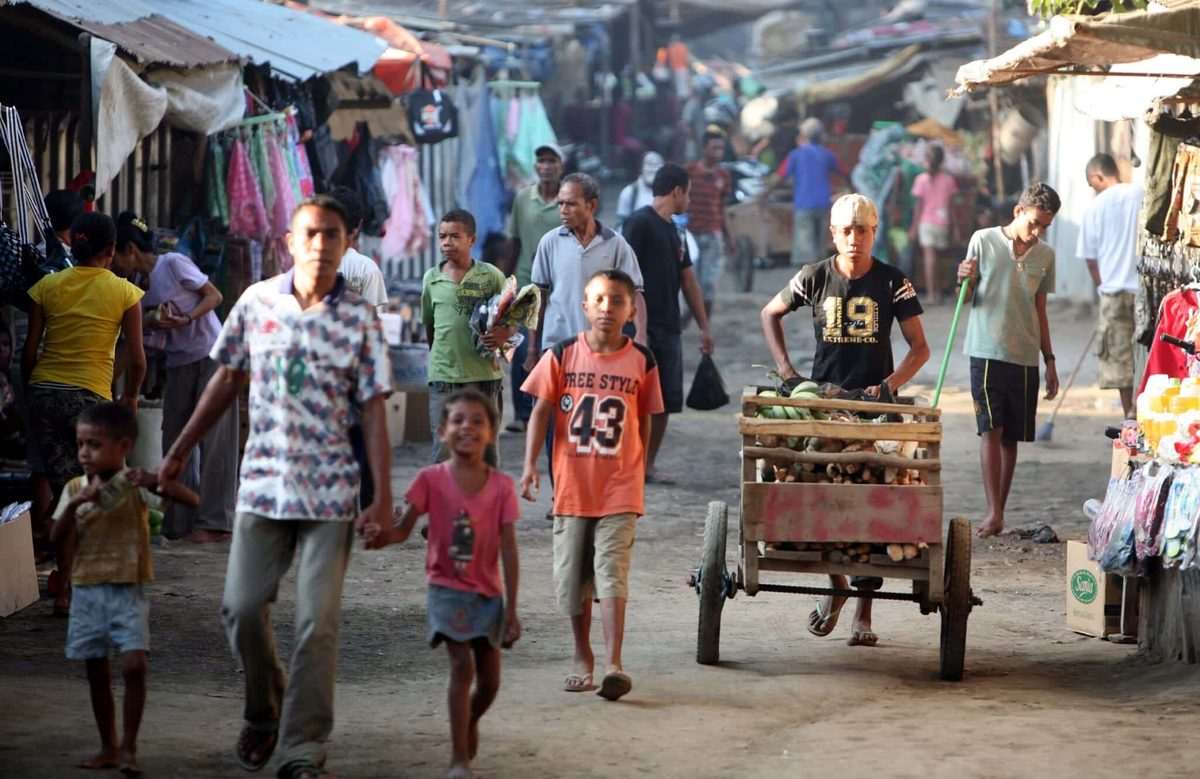
Compared with 18.4% in urban areas, showing a wide rural-urban gap.

Voices

Curated perspectives — historical figures and your fellow readers.

Ever wondered what historical figures would say about today's headlines?

Sign up to generate historical perspectives on this story.

People Involved

Organizations Involved

Timeline

2007 October 2026

6 events Latest: Yesterday
Tap a bar to jump to that date
  1. Human Progress publishes summary of the poverty report

    Latest Publication

    Poverty and service-access findings from the TLSLS 2024 report are published.

  2. INETL presents full poverty report with adjusted baseline

    Report

    Summary Report uses adjusted 2014 figure of 48.4%, showing an 11.4-point drop to 37%.

  3. Government announces poverty fell to 37%

    Statement

    Preliminary announcement citing a decline from 41.8% in 2014 to 37% in 2024.

  4. Bayu-Undan gas production ends

    Economic

    The field that supplied most petroleum revenue since 2005 stops producing, ending the state's main revenue source.

  5. TLSLS 2014 sets poverty baseline at 41.8%

    Measurement

    Original survey figure later adjusted to 48.4% for comparability with the 2024 survey.

  6. Poverty affects half of Timor-Leste

    Measurement

    Share of the population below the national poverty line stands at 50%, per ADB data.

Scenarios

1

Poverty holds below 37% as non-oil growth diversifies the economy

Possible Resolves by End of 2029

Discussed by: World Bank MPO

The World Bank projects growth moderating to 3.8% in 2027-2028 while poverty continues to decline, provided ASEAN accession, tourism and non-oil exports support rising labor incomes that complement transfers and remittances. This outcome requires productive employment to replace government spending as the engine of household welfare.

2

Petroleum fund strain forces spending cuts that stall poverty gains

Possible Resolves by End of 2030

Discussed by: World Bank

The World Bank warns the Petroleum Fund could be depleted by 2038 under current withdrawal patterns while fiscal and external deficits widen. If continued drawdowns shrink the fund faster than expected, the government would face pressure to cut social transfers and subsidies, slowing or reversing the poverty decline.

3

Rural-urban poverty divide persists as growth concentrates in Dili

Likely Resolves by End of 2029

Discussed by: ADB, TATOLI

Rural poverty stands at 45.5% versus 18.4% in urban areas. ADB notes poverty rates already vary more within municipalities than between them, and prior gains have been larger in cities. If post-oil growth stays concentrated in Dili and urban services, the national rate could keep falling while rural households lag.

Historical Context

2 moments from history that rhyme with this story — and how they unfolded.

2007 to 2014

Early oil-funded poverty reduction (2007–2014)

With oil and gas revenues flowing since 2005, the share of Timor-Leste's population below the national poverty line fell from 50% to 42%. The poverty gap index also narrowed over the same period.

Then

Set the pattern of petroleum-funded social spending and service expansion that continued through the next decade.

Now

Most of the decline came through public transfers rather than private-sector job growth, a pattern the 2024 survey shows persisting with low labor productivity.

Why this matters now

That 2014 level is the baseline the 2026 report measures against, showing a second decade of decline now under way without oil revenue.

2025

Petroleum era ends (2025)

Production at the Bayu-Undan gas field, source of most of Timor-Leste's petroleum revenue since the mid-2000s, ended in 2025. Oil and gas exports had funded the state budget for two decades.

Then

The government shifted to drawing down the Petroleum Fund to cover budget and external deficits.

Now

The World Bank projects the fund could be depleted by 2038 under current spending patterns, making fiscal transition the country's central challenge.

Why this matters now

The 2024 living-conditions survey is the first cross-decade poverty measurement taken after the revenue stream that funded the documented improvements stopped.

Sources

(8)