
Pull to refresh
Logo
Texas grid breaks demand record as solar and batteries hold the line

Texas grid breaks demand record as solar and batteries hold the line

Built World

ERCOT met an all-time peak without asking anyone to cut back, five years after a deadly winter blackout

Yesterday: ERCOT warns demand could double by 2032

Overview

In February 2021, a winter storm knocked out the Texas power grid and hundreds of people died in the cold. On July 22, 2026, that same grid pulled its heaviest load ever, about 91,089 megawatts, and nobody was asked to turn down the air conditioning.

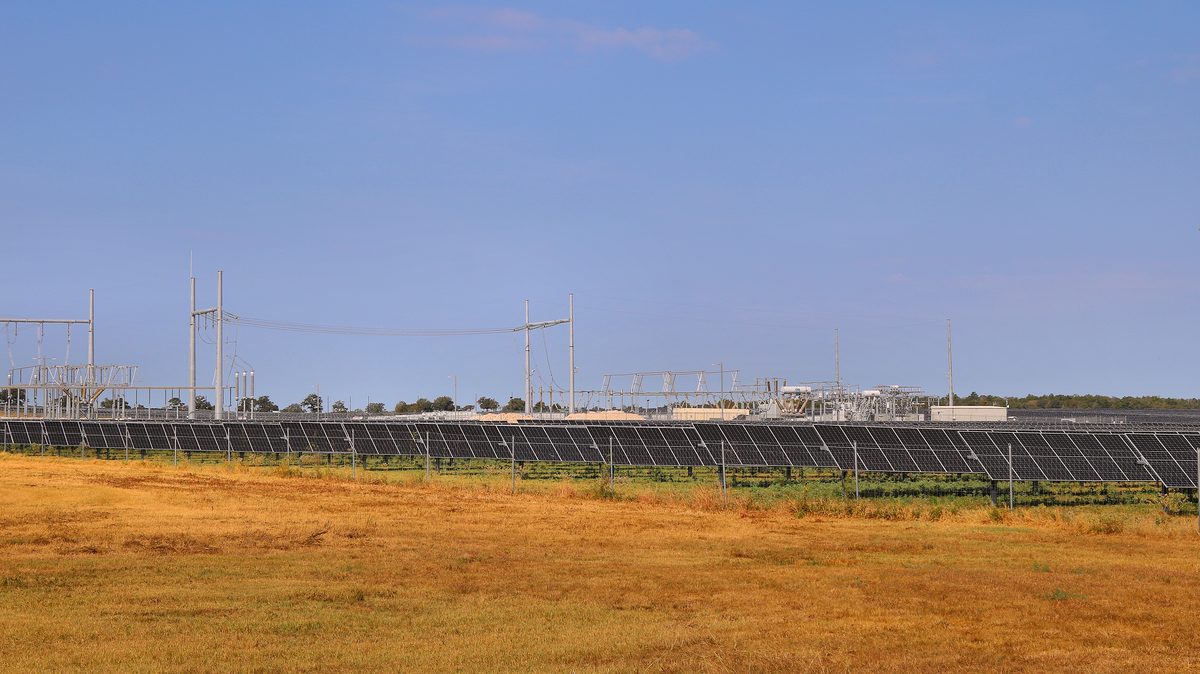
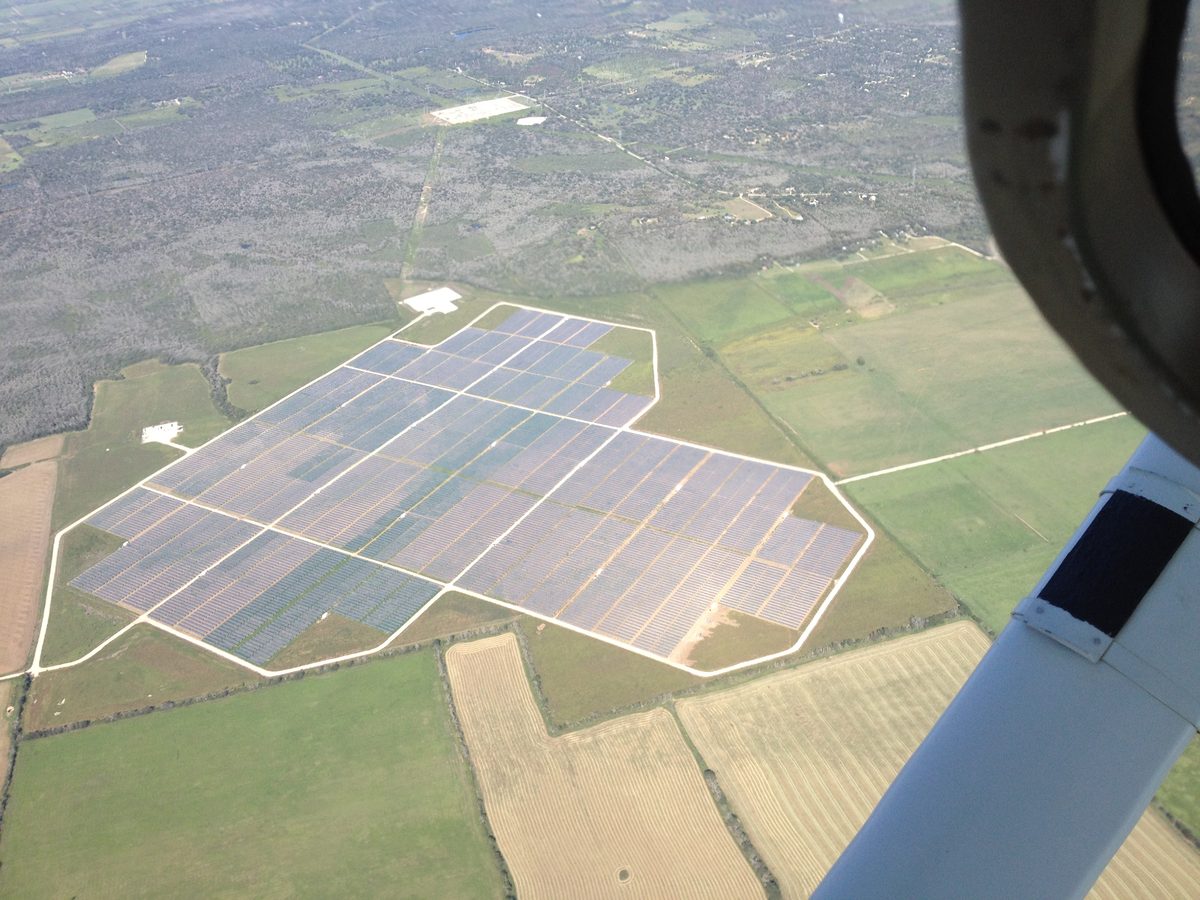
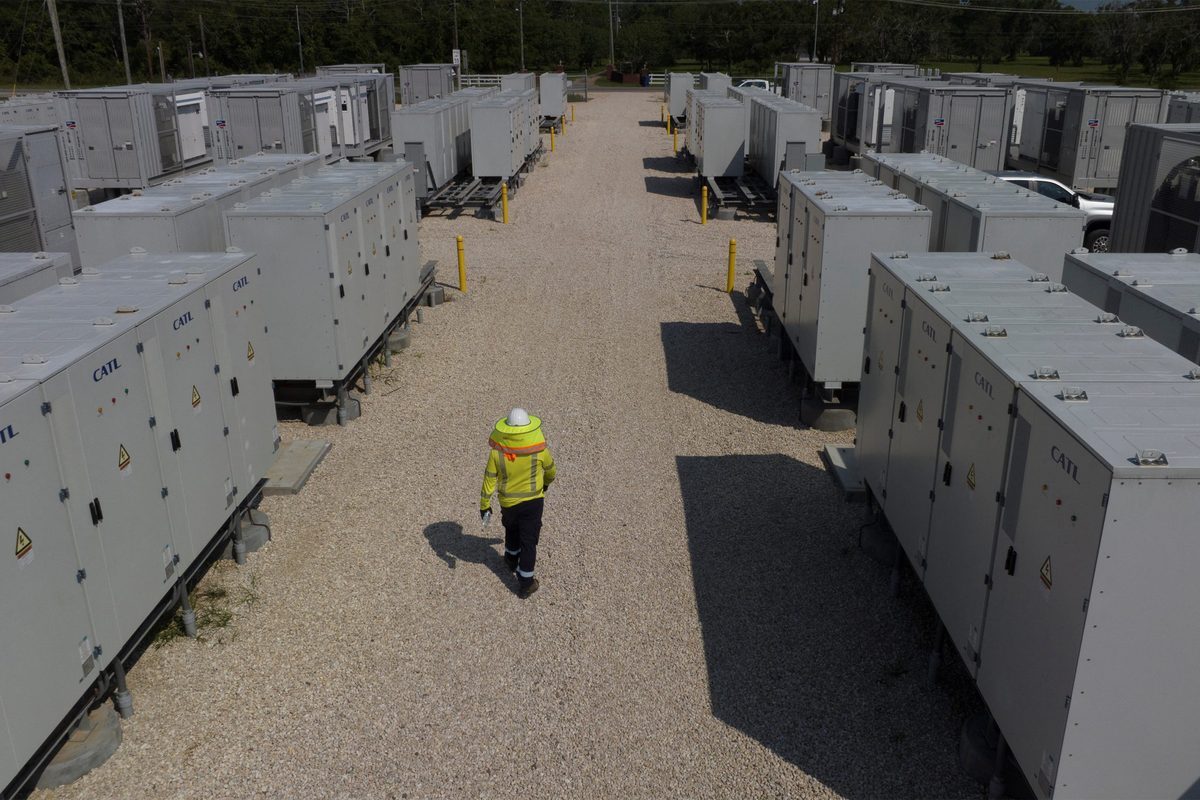
The difference is new solar farms and giant batteries added since 2023. They gave the grid roughly 20,000 megawatts of spare capacity at the peak. The harder test comes next: operator ERCOT expects demand to nearly double by 2032 as data centers pour into the state.

Why it matters

Texas runs its own grid for 27 million people. Whether it holds up as data centers arrive decides who keeps the lights and air conditioning on.

Questions about this story

No questions yet — be the first to ask.

Key Indicators

91,089 MW
New peak demand
All-time high load on the ERCOT grid, set July 22, 2026.
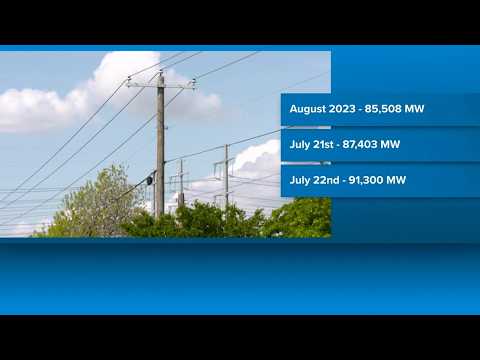
85,508 MW
Old record
Previous peak, set in August 2023.
20,000 MW
Spare capacity at peak
Buffer between demand and committed generation when the record hit.
~175,000 MW
2032 demand forecast
ERCOT's projection, nearly double the new record.
70%
Solar and batteries in queue
Share of the 460,000 MW waiting to connect to the grid.

Voices

Curated perspectives — historical figures and your fellow readers.

Ever wondered what historical figures would say about today's headlines?

Sign up to generate historical perspectives on this story.

Play

Exploring all sides of a story is often best achieved with Play.

Log in to play. Track your picks, climb the leaderboards. Log in Sign Up
Predict 3 ways this could play out. Contrarian picks score more — points lock when the scenario resolves. Log in to play
Higher or Lower Two numbers from this story. Guess which is bigger. 5 rounds to set a streak. Log in to play
Connections Sixteen names from the news. Find the four hidden groups of four. Log in to play

People Involved

Organizations Involved

Timeline

February 2021 July 2026

6 events Latest: Yesterday
Tap a bar to jump to that date
  1. ERCOT warns demand could double by 2032

    Latest Statement

    Vegas tells state senators demand may reach roughly 175,000 megawatts by 2032, driven by data centers, and warns of a gas shortfall.

  2. Grid holds through second day of record heat

    Milestone

    Demand stays near the record as the heat wave continues. Solar and battery storage again carry the peak without a conservation call.

  3. All-time peak of 91,089 MW

    Milestone

    Demand hits 91,089 megawatts. The grid holds with more than 20,000 megawatts of spare capacity and no conservation request.

  4. Heat wave pushes a fresh record

    Milestone

    As temperatures climb, demand tops 87,000 megawatts, passing the 2023 mark for the first time.

  5. Grid sets prior demand record

    Milestone

    ERCOT records a peak of 85,508 megawatts during a hot summer, the highest load to that point.

  6. Winter Storm Uri collapses the grid

    Crisis

    A deep freeze knocks out power plants across Texas. Millions lose electricity for days and hundreds die.

Historical Context

2 moments from history that rhyme with this story — and how they unfolded.

February 2021

Winter Storm Uri (2021)

A severe cold snap froze gas wells, wind turbines, and power plants across Texas at once. ERCOT ordered rolling blackouts that stretched for days. Millions lost heat and water in freezing homes.

Then

State officials put the death toll in the hundreds. The grid came within minutes of a total, weeks-long collapse.

Now

Texas overhauled its power market rules and pushed weatherization and new generation. The failure became the benchmark against which every later grid test is measured.

Why this matters now

Uri is why a record without a blackout is news. The July 2026 peak shows how much the grid changed in five years.

August 2020

California rolling blackouts (2020)

A heat wave across the West left California short of power in the early evening, after solar output dropped. Grid operator CAISO ordered rotating outages for the first time in nearly 20 years.

Then

Hundreds of thousands lost power for an hour or two on two evenings.

Now

California went on a battery-buying spree. Storage now routinely covers the post-sunset peak that once triggered outages.

Why this matters now

It shows the exact risk Texas regulators name: the gap between sundown and demand. Batteries closed it in California and are doing the same in Texas.

Sources

(5)