



Pull to refresh
Logo
Australia's grid hits 80% renewable power for the first time

Australia's grid hits 80% renewable power for the first time

Built World

Rooftop solar met more than half of demand as coal fell to a record-low share on the National Electricity Market

3 days ago: Renewables exceed 80% of NEM demand for first time

Overview

Updated 1 hour ago

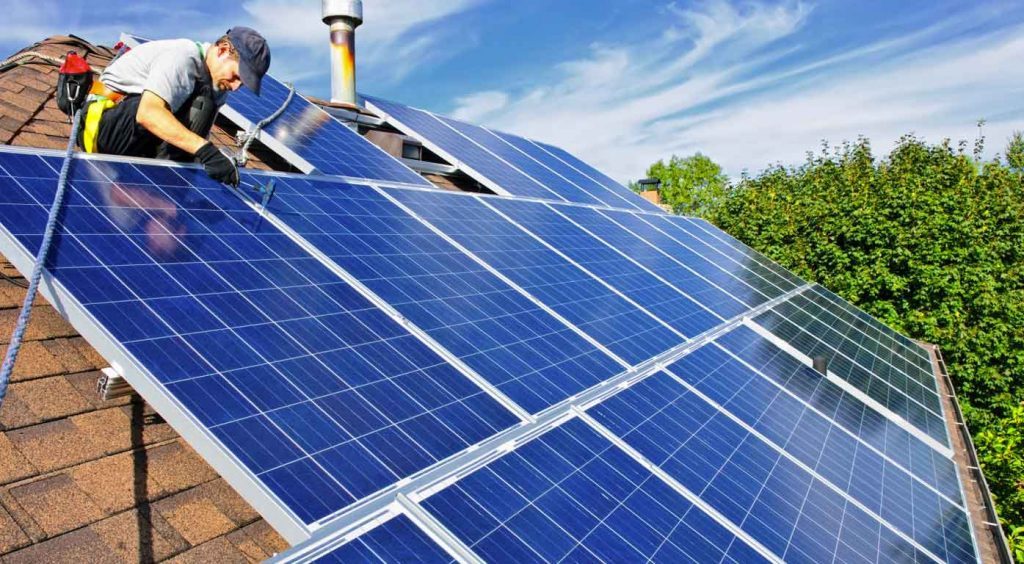
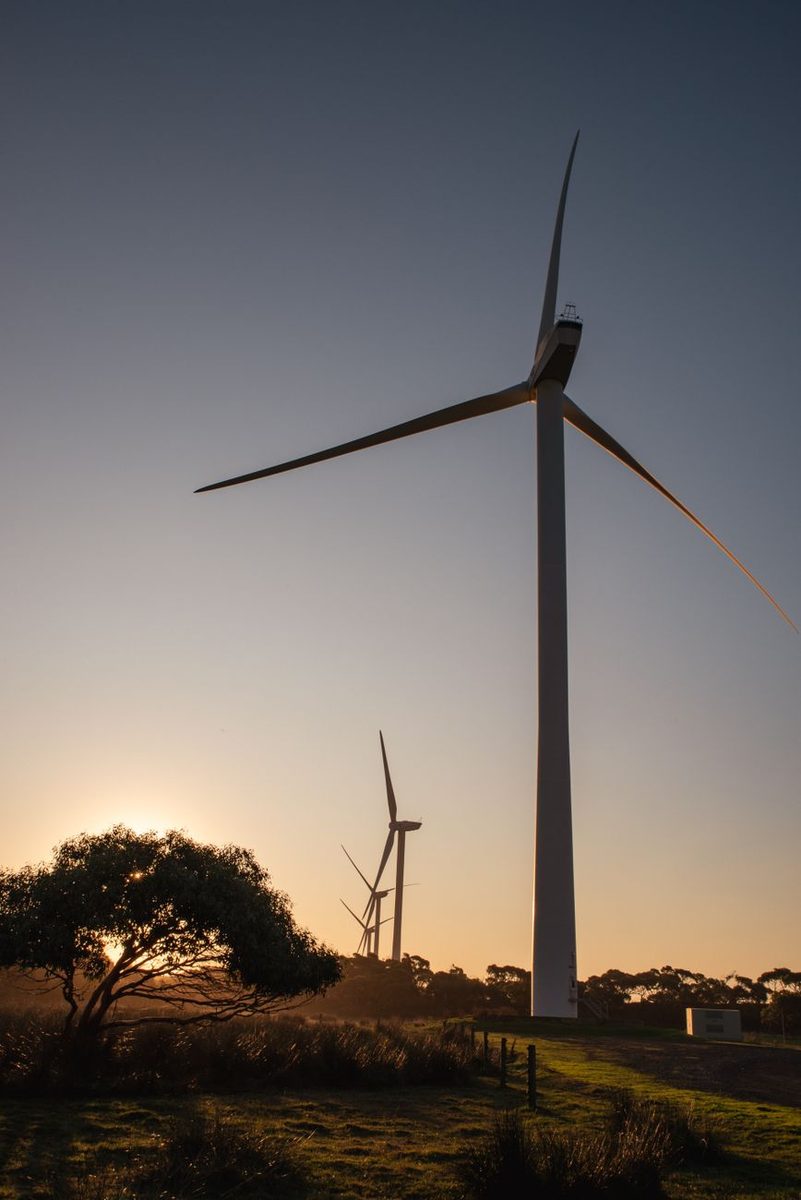
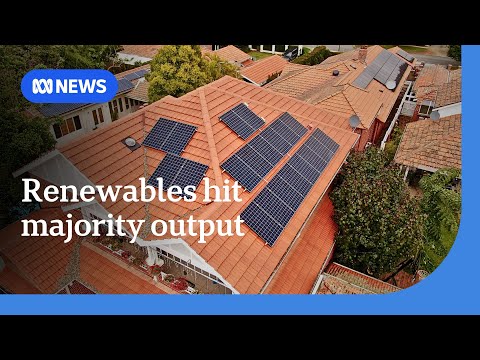
On a sunny Saturday lunchtime in September, wind and solar met 80.4% of demand on Australia's main electricity grid for the first time. Rooftop panels alone supplied more than half the power, and coal dropped to an 18.8% share, a record low.

The record shows how quickly the transition is moving. It also exposes the next bottleneck: operators curtailed about 8.4 gigawatts of available wind and solar that day because the grid could not absorb the surplus. Storage and transmission must scale before renewables can push much higher.

Why it matters

Australia's grid can run on 80% renewables, but throttled wind and solar show storage and transmission must catch up before the share climbs further.

Questions about this story

Free account needed to ask — your question is kept and asked for you right after sign-up. Answers are public.

No questions yet — be the first to ask.

Key Indicators

80.4%
Renewables' share of NEM demand on the record day
Record high for the National Electricity Market, beating the 79.6% set a day earlier.
>50%
Rooftop solar's share of demand
Household and business panels met more than half of all power used for about 30 minutes around lunchtime.
18.8%
Coal's share of demand
Coal ran at its lowest level without switching off entirely, its smallest share on record.
54.8 GWh
Renewable energy curtailed that day
Output throttled by 1:50 pm because the grid could not absorb it, while batteries charged at about 4.5 GW.

Voices

Curated perspectives — historical figures and your fellow readers.

Ever wondered what historical figures would say about today's headlines?

Sign up to generate historical perspectives on this story.

People Involved

Organizations Involved

Timeline

January 2026 September 2026

5 events Latest: 3 days ago
Tap a bar to jump to that date
  1. Renewables exceed 80% of NEM demand for first time

    Latest Milestone

    Wind, solar, and hydro met 80.4-80.5% of demand; coal fell to 18.8%, a record low.

  2. Renewables set 79.6% NEM record

    Milestone

    A clear spring day pushed renewables to a then-record 79.6% of demand, with rooftop solar leading.

  3. Batteries cut evening gas generation by 67%

    Market shift

    Year-on-year, gas use during the 5-8 pm peak fell sharply as big and home batteries took over.

  4. Rooftop solar powers 99.9% of South Australia

    Milestone

    Rooftop panels met nearly all of the state's demand, cutting grid-scale generation to 2 MW.

  5. Renewables pass half of quarterly NEM demand

    Milestone

    Wind, solar, and batteries supplied more than 50% of grid demand for a full quarter, a first.

Scenarios

1

NEM runs on 100% renewables for a full half-hour

Possible Resolves by End of 2027

Discussed by: RenewEconomy analysts and AEMO's grid roadmap

Records keep climbing through the 2026-27 spring and summer as battery capacity doubles again and grid-forming inverters are certified. On sunny days when rooftop solar peaks and storage absorbs the surplus, the last coal and gas units could switch off for brief windows. AEMO has said this becomes possible once system security needs are met, a condition some analysts expect within two years.

2

Curtailment caps renewables near 85-90%

Possible Resolves by Q3 2027

Discussed by: Grid analysts citing the 8.4 GW throttled in September

Without enough transmission lines and storage to absorb midday solar, more renewable output gets curtailed, wasting cheap energy. Records plateau in the mid-to-high 80s even as wind and solar farms keep building. The bottleneck becomes the binding constraint on the transition, slowing the pace of coal displacement.

3

Coal plants announce early closure

Likely Resolves by Q2 2027

Discussed by: EnergyEdge, AEMO planning, and coal plant operators

Coal has been pushed to minimum operating levels, and its economics worsen as batteries take the evening peak and renewables compress daytime output. One or more NEM coal stations announce retirement earlier than previously scheduled, accelerating the transition while raising near-term reliability and grid-stability questions.

Historical Context

3 moments from history that rhyme with this story — and how they unfolded.

2016-2023

Germany's Energiewende record days (2016-2023)

On sunny, windy spring days, Germany repeatedly pushed renewables above 70-85% of demand, with coal pushed to minimum levels and surplus power exported or curtailed.

Then

Records came with growing curtailment and negative wholesale prices at peak solar times.

Now

Germany's experience showed that high renewable shares require storage and grid expansion, not just more generation.

Why this matters now

Australia is now reproducing the German pattern of record renewables shares alongside curtailment and coal at minimum levels.

February 2017

Denmark runs on wind power for a day (February 2017)

On a windy late-winter day, Denmark's wind turbines generated more electricity than the entire country consumed, with the surplus exported to neighbors via undersea cables.

Then

Denmark's grid ran entirely on wind for about a day, with hydro and interconnectors balancing the rest.

Now

Became a proof point that high renewable shares are technically feasible for grids with strong interconnection.

Why this matters now

Shows the end-state for Australia's grid, but with a key difference: the NEM is far larger and has weaker interconnections between regions, which is why batteries matter so much.

Late 2021 to 2022

South Australia's 100% renewable runs (2021-2022)

South Australia, part of the NEM, repeatedly ran entirely on wind and solar for extended periods, backed by the Hornsdale big battery and gas peakers held in reserve.

Then

The state showed 100% renewable operation is possible within the NEM's rules.

Now

SA's experience informed AEMO's work on grid-forming inverters and system security for the whole national grid.

Why this matters now

The state is ahead of the national curve; the national 80% record means the rest of the NEM is catching up to what SA has already demonstrated.

Sources

(9)