




Pull to refresh
Logo
Daily Brief
Following
Why Ranks Sign Up
Solar overtakes coal in Texas power grid

Solar overtakes coal in Texas power grid

Built World

EIA forecasts utility-scale solar to outproduce coal in ERCOT for the first time on record in 2026

Yesterday: EIA forecasts solar over coal for full year

Overview

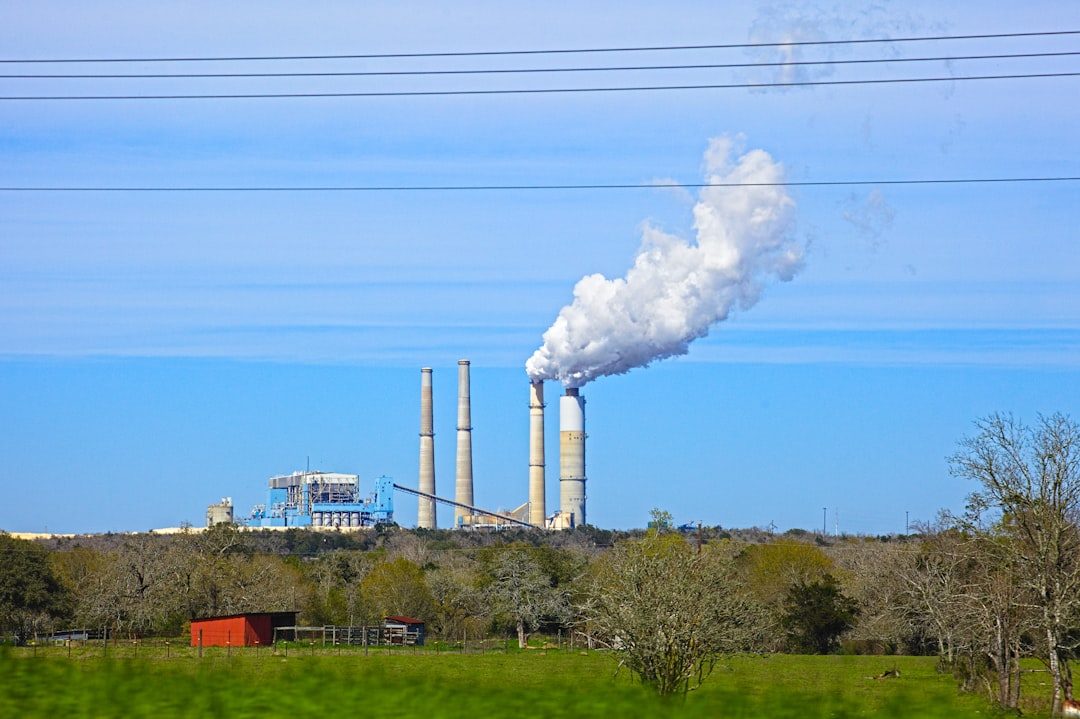
Coal has powered Texas for most of the past century. In 2026, for the first time on record, utility-scale solar is forecast to outproduce it for the full year in the Electric Reliability Council of Texas.

Why it matters

Texas was America's coal stronghold. If solar outproduces it there, the same shift is plausible anywhere: cheaper power, but new winter-reliability questions.

Play on this story Voices Debate Predict

Key Indicators

78 BkWh
Solar generation forecast
ERCOT utility-scale solar projected for 2026, up from about 60 billion kWh in 2025.
60 BkWh
Coal generation forecast
ERCOT coal projected for 2026, below solar on an annual basis for the first time.
12%
Solar share, 2025
Solar's share of ERCOT generation in 2025, tripled from 4% in 2021.
13%
Coal share, 2025
Coal's share of ERCOT generation in 2025, down from 19% in 2021.
40%
US solar additions in Texas
Texas's share of 2026 utility-scale solar capacity additions nationwide.

Interactive

Exploring all sides of a story is often best achieved with Play.

Ever wondered what historical figures would say about today's headlines?

Sign up to generate historical perspectives on this story.

People Involved

Organizations Involved

Timeline

  1. EIA forecasts solar over coal for full year

    Forecast

    Short-Term Energy Outlook projects 78 BkWh solar versus 60 BkWh coal in ERCOT for 2026.

  2. ERCOT solar sets 72.74% grid penetration record

    Milestone

    Solar covers nearly three-quarters of ERCOT demand at peak on May 2, setting a new penetration record for the grid.

  3. Winter Storm Fern triggers DOE emergency orders for ERCOT

    Weather

    Extreme cold drives demand higher and ERCOT requests DOE Section 202(c) emergency orders, letting plants exceed environmental permit limits to maximize output. Coal and gas generation rise sharply as solar and wind output falls; new batteries and post-Uri plant weatherization keep the grid from major blackouts.

  4. Solar passes coal in annual ERCOT mix

    Milestone

    Solar share reaches 12% versus coal at 13%. Solar becomes third-largest source after gas and wind.

  5. Texas solar sets generation record

    Milestone

    Solar reaches 29.8 GW, supplying over 40% of state demand for seven straight hours.

  6. Texas legislature kills anti-renewables bills

    Legislation

    SB 819 and SB 715, which would have restricted solar and wind permitting, die in the Texas House.

  7. Solar exceeds coal monthly in ERCOT

    Milestone

    ERCOT solar generates 4.33 BkWh in March 2025 versus coal's 4.16 BkWh — first monthly crossover.

  8. Vistra plans Coleto Creek gas conversion

    Industry

    Vistra announces plan to repower Coleto Creek coal plant as natural gas by 2027.

  9. Winter Storm Uri triggers Texas grid crisis

    Disaster

    Cold snap forces rolling blackouts across ERCOT; hundreds die. Lawmakers demand grid reforms.

  10. Wind generation surpasses coal in Texas

    Milestone

    ERCOT wind output exceeds in-state coal for the first time on an annual basis.

  11. Vistra retires three large Texas coal plants

    Industry

    Big Brown, Monticello, and Sandow shut down, citing low gas prices and cheaper renewables.

Scenarios

Predict which scenario wins. Contrarian picks score more — points lock in when the scenario resolves.

Log in to predict. Track your picks, climb the leaderboard. Log in Sign Up
1

Solar outproduces coal in ERCOT for full-year 2026 as forecast

The forecast holds. ERCOT's expanding solar fleet, plus battery storage that shifts midday output into evening hours, delivers around 78 BkWh while coal slips to 60 BkWh. Natural gas remains dominant but coal is firmly displaced as the second-largest carbon-emitting source. Winter generation is the only month where coal still wins.

Resolves by: 2027-04-30
Source: EIA Electric Power Monthly final 2026 data
Discussed by: EIA Short-Term Energy Outlook; ERCOT planning reports
Consensus
2

Coal stays ahead in 2026 after weather or federal action

A prolonged winter cold snap or summer cloud cover suppresses solar output, while federal emergency orders or new EPA delays keep retiring coal plants online longer than planned. Coal generation holds above solar for the year, even if narrowly.

Resolves by: 2027-04-30
Source: EIA Electric Power Monthly final 2026 data
Discussed by: Coal industry analysts; America's Power trade group
Consensus
3

DOE orders a Texas coal plant to keep running past planned retirement

The Department of Energy invokes Section 202(c) of the Federal Power Act to require a Texas coal plant — most likely Coleto Creek, slated for 2027 gas conversion — to keep operating on coal past its scheduled retirement date. DOE used the same tool in 2025 to keep Michigan's J.H. Campbell plant open.

Resolves by: 2027-12-31
Source: U.S. Department of Energy press releases and Federal Register notices
Discussed by: Sierra Club; Vistra investor communications; DOE under Trump administration
Consensus
4

Solar outproduces coal in 11 or more months of 2027

By 2027, solar capacity additions and growing battery storage push the monthly crossover into nearly every month of the year. EIA already projects 99 BkWh solar versus 66 BkWh coal in 2027, with the gap closing only in January and December.

Resolves by: 2028-04-30
Source: EIA Electric Power Monthly 2027 data
Discussed by: EIA Short-Term Energy Outlook; ERCOT capacity expansion plans
Consensus

Historical Context

U.S. natural gas overtakes coal (2016)

April 2015 – 2016

What Happened

Natural gas surpassed coal as the largest source of U.S. electricity in April 2015 on a monthly basis, then again for the full year in 2016. Hydraulic fracturing had pushed wholesale gas prices to multi-decade lows, undercutting coal even at older, paid-off plants.

Outcome

Short Term

Hundreds of U.S. coal plants retired or converted to gas between 2010 and 2020. Coal mining employment fell by about half.

Long Term

Coal's share of U.S. generation fell from 50% in 2000 to roughly 16% in 2024. Gas remains the largest source, with renewables now closing the gap.

Why It's Relevant Today

The same economics-driven displacement is now happening at the state level, with solar replacing coal instead of gas. The 2016 shift started as a forecast and held.

Wind overtakes coal in Texas (2019)

2019

What Happened

Texas wind generation exceeded in-state coal output on an annual basis for the first time in 2019. Wind had grown for a decade under federal production tax credits, ERCOT's open-access transmission build-out, and the competitive wholesale market.

Outcome

Short Term

Wind capacity in ERCOT continued to grow, passing 35 gigawatts by 2024.

Long Term

Texas became the largest wind producer in the United States. Coal's share fell from 38% of state generation in 2013 to 13% by 2025.

Why It's Relevant Today

Texas has done this before. Solar is following the same trajectory wind did, about six years later. The state's market design rewards the cheapest generator, regardless of fuel.

United Kingdom closes its last coal plant (September 2024)

September 2024

What Happened

Ratcliffe-on-Soar power station in Nottinghamshire shut down on September 30, 2024, ending 142 years of coal-fired electricity in Britain. The country had set a 2025 coal phase-out target in 2015 and met it a year early.

Outcome

Short Term

The UK now relies on gas, nuclear, wind, and solar. Wholesale electricity prices did not spike from the closure.

Long Term

Britain became the first G7 nation to fully phase out coal. Power-sector carbon emissions are at their lowest level since the 19th century.

Why It's Relevant Today

Shows the endpoint of the trajectory Texas began this year. Once gas and renewables undercut coal economically, the displacement can run all the way to zero.

Sources

(14)