
Pull to refresh
Logo
ICC unseals arrest warrants for Taliban education ministers over gender persecution

ICC unseals arrest warrants for Taliban education ministers over gender persecution

Rule Changes

Court accuses Habibullah Agha and Neda Mohammad Nadeem of crimes against humanity for barring Afghan women and girls from education.

3 days ago: ICC unseals all four arrest warrants

Overview

Updated 44 minutes ago

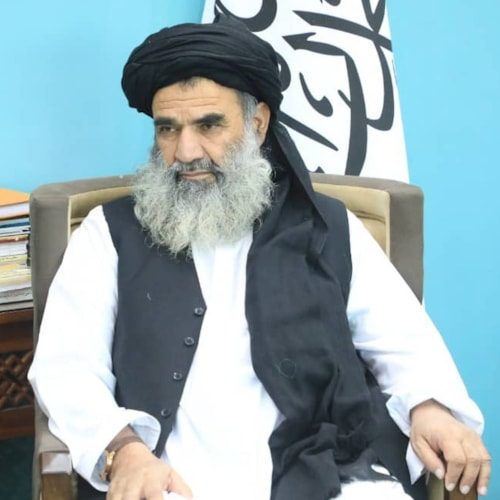
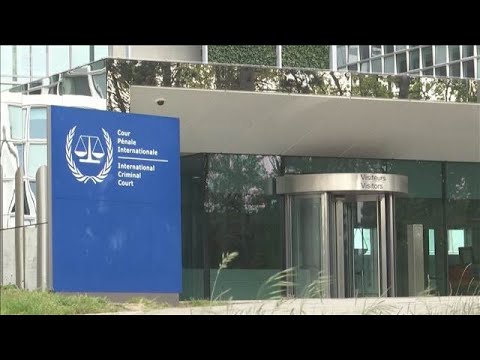
The International Criminal Court unsealed arrest warrants Monday for two Taliban education ministers accused of gender-based persecution. Habibullah Agha and Neda Mohammad Nadeem face charges over Afghanistan's ban on girls' secondary schooling and women's higher education.

The warrants are part of a four-warrant set against Taliban leaders, including supreme leader Haibatullah Akhundzada and chief justice Abdul Hakim Haqqani. They mark the first time the ICC has recognized LGBTQ+ people as victims in arrest warrants. The gender persecution charge has produced no ICC conviction to date.

The court has no police force. Execution of the warrants depends on member states arresting the men if they travel abroad, and the Taliban control Afghan territory, so the suspects are not expected to appear in The Hague anytime soon.

Why it matters

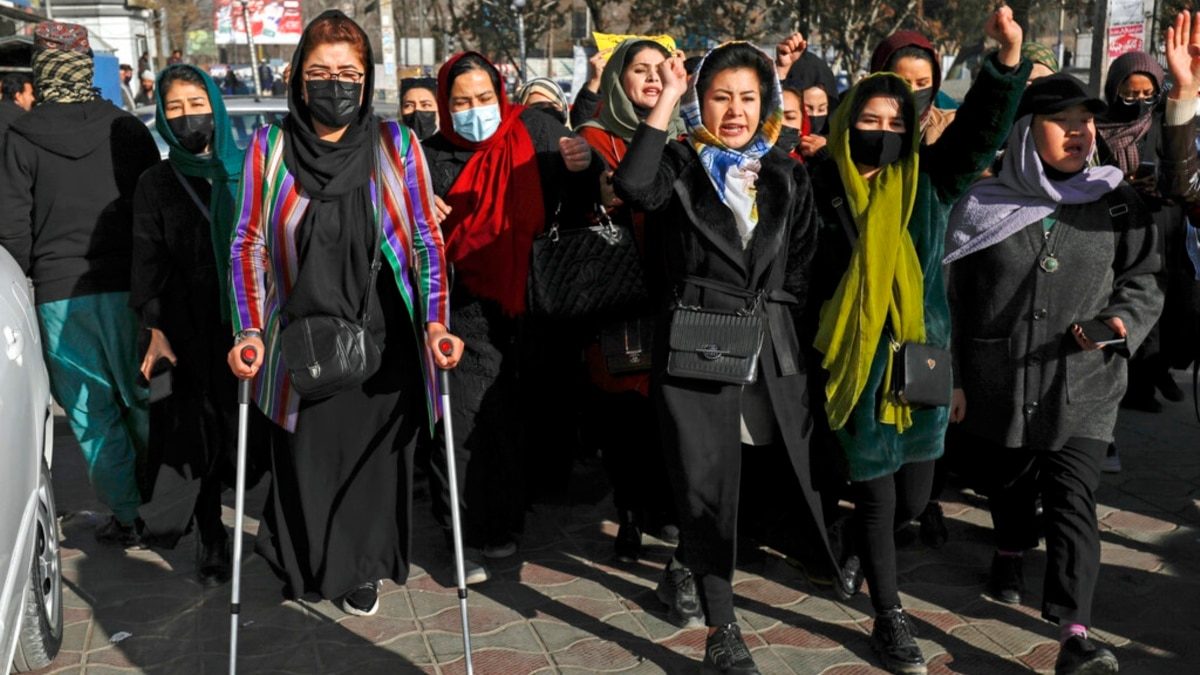
The warrants declare Afghanistan's education bans a crime against humanity, exposing Taliban leaders to arrest if they travel to any ICC member state.

Questions about this story

Free account needed to ask — your question is kept and asked for you right after sign-up. Answers are public.

No questions yet — be the first to ask.

Key Indicators

4
Arrest warrants unsealed
Against Taliban supreme leader, chief justice, and two education ministers.
2.4M
Girls excluded from secondary education
UN estimate of girls barred from school since the Taliban seized power.
1
Prior ICC gender persecution prosecutions
The Al Hassan case in Mali, which ended without a conviction.

Voices

Curated perspectives — historical figures and your fellow readers.

Ever wondered what historical figures would say about today's headlines?

Sign up to generate historical perspectives on this story.

People Involved

Organizations Involved

Timeline

August 2021 October 2026

9 events Latest: 3 days ago
Tap a bar to jump to that date
  1. Nadeem named acting higher education minister

    Appointment

    Former provincial governor takes charge of higher education and enforces the university ban.

  2. Agha named acting education minister

    Appointment

    Former Kandahar court official takes over the education ministry.

  3. Taliban bars girls from secondary school, restricts women's education

    Policy

    Decrees exclude girls beyond sixth grade from school and bar women from universities.

  4. Taliban seizes power in Afghanistan

    Political change

    The Taliban retake Kabul and begin imposing restrictions on women and girls.

Scenarios

1

Taliban leaders remain at large, warrants unexecuted

Likely Resolves by End of 2027

Discussed by: The Independent, which called the prospect of arrest 'remote'

The ICC has no police force and the Taliban control Afghan territory. Unless a suspect travels to a member state that cooperates with the court, the warrants remain symbolic. This mirrors the court's experience with Sudan's Omar al-Bashir, whose 2009 warrant went unexecuted for over a decade while he stayed in power.

2

Taliban official arrested during foreign travel

Unlikely Resolves by End of 2027

Discussed by: Rome Statute obligations on ICC member states; no major analyst predicts this outcome

If Agha, Nadeem, or the others travel to an ICC member state, authorities there could arrest them under the Rome Statute. This happened with Charles Taylor, who remained at large for years before capture in 2006. Taliban leaders rarely travel abroad, which makes arrest unlikely but possible over the long term.

3

Judges order standalone Taliban gender persecution probe

Possible Resolves by Q2 2027

Discussed by: Middle East Eye, which reported the judges' request

Pre-Trial Chamber judges have asked the Office of the Prosecutor to open a standalone investigation into Taliban gender persecution, separate from the broader Afghanistan war crimes probe. If approved, this would broaden the case beyond the four leaders and could lead to additional warrants or charges.

Historical Context

3 moments from history that rhyme with this story — and how they unfolded.

2009-2010

Omar al-Bashir ICC warrants (2009-2010)

The ICC issued arrest warrants for Sudanese President Omar al-Bashir on charges of genocide, war crimes, and crimes against humanity in Darfur. Sudan refused to cooperate, and al-Bashir remained in office, traveling mainly to countries outside ICC jurisdiction.

Then

Al-Bashir stayed in power and the warrants went unexecuted for a decade.

Now

He was ousted in 2019 and still faces charges; the case shows the ICC's limits when states refuse to cooperate.

Why this matters now

Shows ICC warrants can remain unexecuted when leaders control their territory, as the Taliban do Afghanistan.

2003-2012

Charles Taylor conviction (2003-2012)

Taylor, Liberia's former president, was indicted by the Special Court for Sierra Leone in 2003. He resigned and fled to Nigeria, avoiding arrest for years before being captured in 2006 while attempting to cross a border.

Then

Taylor was transferred to The Hague and convicted in 2012 of war crimes and crimes against humanity.

Now

He became the first former head of state convicted by an international court since Nuremberg.

Why this matters now

Shows an international warrant can eventually lead to arrest, even years after a leader leaves power.

2018-2024

Al Hassan gender persecution case, ICC (2018-2024)

The ICC brought its first gender persecution charge against Al Hassan, a Malian jihadist, for forced marriage and sexual slavery in Timbuktu.

Then

Prosecutors struggled to prove the charge; the trial ended without a gender persecution conviction.

Now

The charge remains legally contested, making the new Taliban warrants a test case.

Why this matters now

Highlights why the Taliban warrants are significant in gender persecution law, but also why conviction is far from assured.

Sources

(10)