
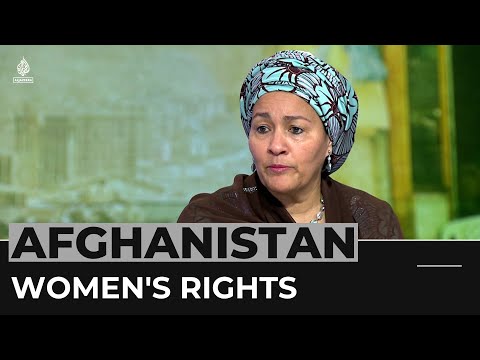
UN keeps Afghanistan mission running, presses Taliban on women's rights
Rule ChangesSecurity Council restores UNAMA's full one-year mandate and demands the Taliban reverse bans on women and girls
June 16th, 2026: Council adopts Resolution 2822New here? Follow stories to track developments over time. Create a free account to get updates when stories you care about change.
Overview
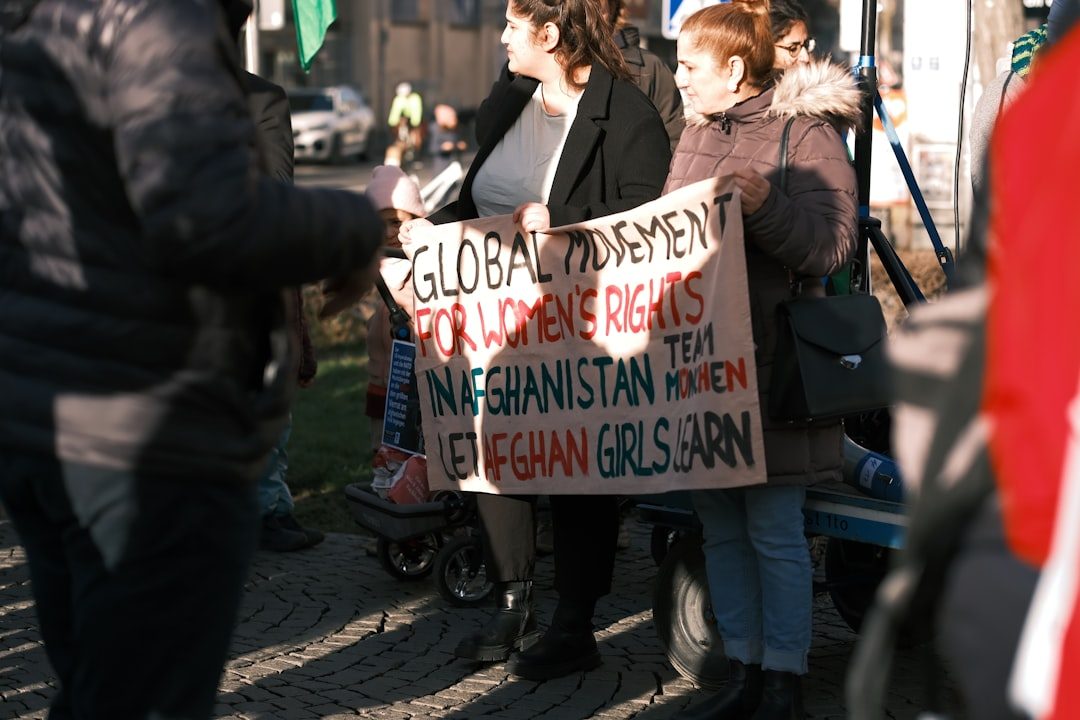
Updated Jun 16On June 6 and 7, Taliban morality police detained dozens of women and girls in Herat over how they were dressed. Protests followed. Taliban forces opened fire, killing a woman and a child.
Nine days later, the UN Security Council voted 15-0 to keep its monitoring mission in Afghanistan running another year and told the Taliban to undo the rules that pushed women out of school, work, and public life. The vote restores the mission's normal one-year term after a short stopgap extension in March.
Why it matters
The UN's only on-the-ground presence in Afghanistan survives another year, keeping a channel open for aid to 23 million people and a record of who is detained.
Questions about this story
Free account needed to ask — your question is kept and asked for you right after sign-up. Answers are public.
No questions yet — be the first to ask.
Key Indicators
Voices
Curated perspectives — historical figures and your fellow readers.
Play
Exploring all sides of a story is often best achieved with Play.
Higher or Lower
A number from this story, against one from elsewhere in the news — guess which is bigger, then keep the chain going. 5 rounds, 3 strikes; a miss costs a strike and resets your streak.
Keyboard: ↓/L lower · ↑/H higher
0 points — sign up to put that on the leaderboard.
Connections
Sixteen names from the news. Find the four hidden groups of four. Four mistakes max.
Sign up to keep a daily streak — a new puzzle lands every day.
Exit debate?
Your progress in this debate will be lost.
- 1 Two AI personas square off on this story.
- 2 You predict who'll win each round — correct picks earn XP.
- 3 One crossfire question is yours to fire. Pick it carefully.
Couldn't generate a topic
Select Your Champions
Choose one persona for each side of the debate
DEBATE TOPIC
Choose personas with different perspectives for a more dynamic debate.
Select debater for this side:
No debate personas available right now.
Select debater for this side:
No debate personas available right now.
Who's Got This Round?
Make your prediction before the referee scores
The referee scores both sides on
Round Results
Set the Crossfire
Pick the question both personas must answer in the final round
Debate Oracle! You called every round!
Sharp Instincts! You know your debaters!
The Coin Flip Strategist! Perfectly balanced!
The Contrarian! Bold predictions!
Inverse Genius! Try betting the opposite next time!
XP Breakdown
Prediction History
People Involved
Organizations Involved
The UN's most powerful body, whose resolutions are binding on member states.
The UN's political and coordination mission inside Afghanistan.
Timeline
August 2021 June 2026
-
Council adopts Resolution 2822
Latest LegalThe Council voted 15-0 to renew UNAMA until June 2027 and to demand the Taliban reverse curbs on women.
-
Herat detentions and deadly protest
IncidentMorality police detained dozens of women over dress. Protests followed; Taliban fire killed a woman and a child.
-
Short stopgap extension
LegalMembers passed only a brief technical rollover after disagreeing over the mission's scope.
-
Mandate extended for a year
LegalResolution 2777 renewed UNAMA's mandate and pressed the Taliban to reverse restrictions on women.
-
Taliban ban Afghan women from UN jobs
PolicyThe order barred Afghan women from working for the UN, drawing Council condemnation in Resolution 2681.
-
Girls' schools stay closed
PolicyThe Taliban reversed a plan to reopen secondary schools for girls, locking out grades 7 and up.
-
Taliban retake Kabul
Power shiftThe Taliban seized the capital as US-led forces withdrew, ending the elected government.
Historical Context
3 moments from history that rhyme with this story — and how they unfolded.
South Africa under apartheid sanctions (1962-1994)
The UN condemned apartheid for decades, imposed an arms embargo, and isolated South Africa diplomatically and economically. The pressure built slowly over more than 30 years before the system fell.
Sanctions hurt South Africa's economy but did not quickly change the government's policy.
Sustained isolation is credited as one factor in apartheid's eventual collapse and the 1994 elections.
It is the clearest case of UN pressure on a rights issue working, but only over decades, not years.
First Taliban emirate and UN non-recognition (1996-2001)
The Taliban first ruled most of Afghanistan from 1996 and barred women from work and girls from school. The UN kept Afghanistan's seat with the ousted government and never seated the Taliban. Only three countries recognized the regime.
The Taliban stayed diplomatically isolated and under UN sanctions through their first rule.
Non-recognition set the template the UN still uses: engagement and aid without granting the Taliban Afghanistan's seat.
It shows the limits and the staying power of the same lever the Council is using now: pressure and aid without recognition.
Myanmar after the 2021 coup
After the military seized power, the UN condemned the coup and kept the ousted government's UN seat. The Security Council issued statements but, blocked by China and Russia, never imposed binding sanctions.
The junta held power despite international criticism and a UN special envoy with little leverage.
The case shows how Council divisions can leave a UN mission with a mandate but few tools to force change.
Like Afghanistan, it is a UN body trying to shift a regime's behavior while big-power splits cap what it can do.
