



Pull to refresh
Logo
China adopts first national law governing Antarctic activity

China adopts first national law governing Antarctic activity

Rule Changes

Permits, environmental assessments and fines will cover Chinese expeditions, tourism and shipping from January 2027

Overview

Updated 2 hours ago

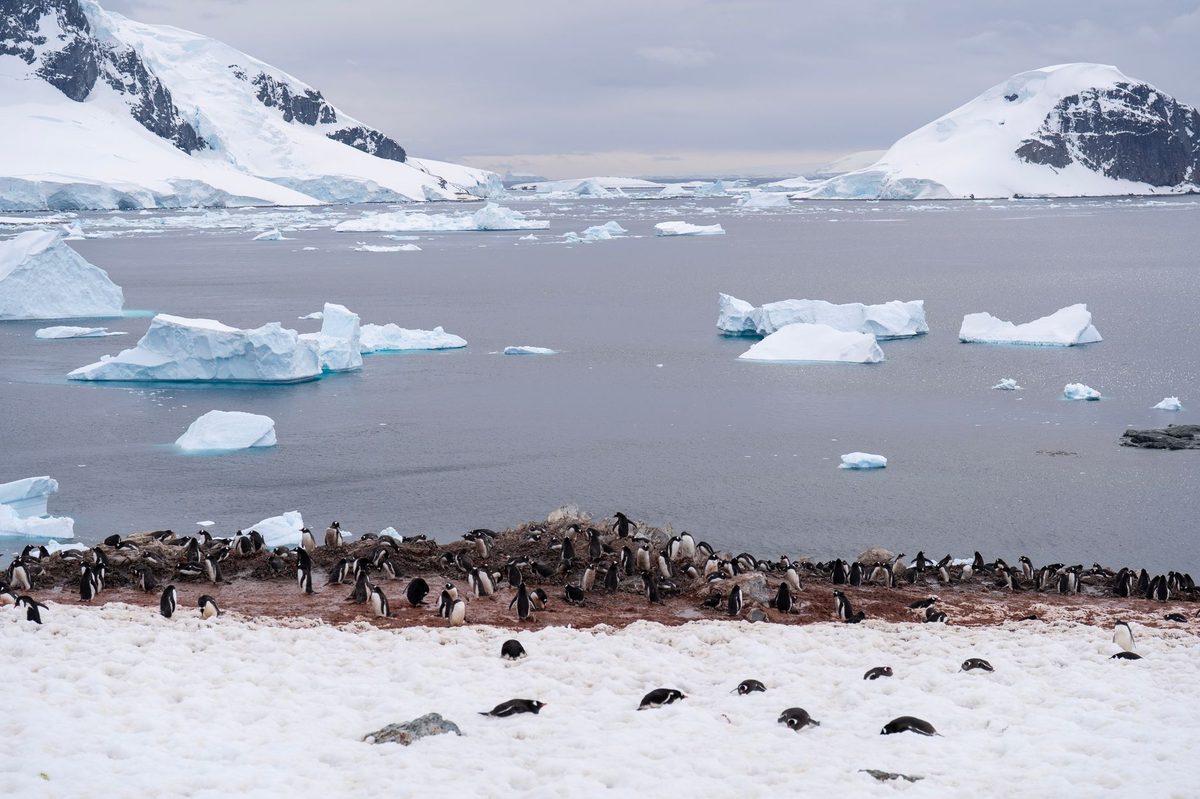
China had no national law covering what its citizens, companies and ships do in Antarctica. On November 6, 2026, its legislature passed one. The Antarctic Activities and Environmental Protection Law takes effect January 1, 2027, and requires permits for expeditions, tourism and shipping.

The law is China's first domestic framework for a continent it has studied since 1985, when it became a consultative party to the Antarctic Treaty. It sets environmental assessment rules, waste handling, wildlife protections and fines. It also applies to foreign operators who launch Antarctic trips from Chinese territory.

Why it matters

China is the second-largest source of Antarctic tourists. From 2027, every trip it launches will need a permit and an environmental review.

Questions about this story

Free account needed to ask — your question is kept and asked for you right after sign-up. Answers are public.

No questions yet — be the first to ask.

Key Indicators

7
Chapters in the law
Covers permits, environmental protection, inspection, safeguards, liability and supplementary rules.
5
Chinese research stations in Antarctica
Built since China began Antarctic expeditions in the 1980s.
42
Completed Chinese Antarctic expeditions
The 42nd finished in May 2026; the 43rd was preparing to depart.
29
Consultative parties to the Antarctic Treaty
Most had national Antarctic laws before China's passage, according to Ocean University of China's Liu Huirong.
120,000+
Antarctic tourists in the 2023–24 season
Up from about 8,000 a year in the mid-1990s, per the International Association of Antarctica Tour Operators.
¥1,000,000
Maximum fine for unlicensed activity
Serious violations also carry a 10-year ban on applying for Antarctic permits.

Voices

Curated perspectives — historical figures and your fellow readers.

Sign up to generate historical perspectives on this story.

People Involved

Organizations Involved

Timeline

December 1959 January 2027

7 events Latest: Yesterday
Tap a bar to jump to that date
  1. Law takes effect

    Upcoming Legislation

    Permit, environmental assessment and penalty provisions become enforceable.

  2. Antarctic law adopted

    Latest Legislation

    The NPC Standing Committee passes the Antarctic Activities and Environmental Protection Law.

  3. 42nd Antarctic expedition completed

    Science

    China finishes a voyage with ecological surveys in the Cosmonaut and Amundsen seas.

  4. Antarctic law added to legislative plan

    Legislation

    China's legislature places Antarctic legislation on its five-year planning agenda.

  5. Environmental Protocol bans mining

    Treaty

    The Madrid Protocol designates Antarctica a natural reserve and bans mining for 50 years.

  6. China joins as consultative party

    Diplomacy

    China gains decision-making rights under the Antarctic Treaty.

  7. Antarctic Treaty signed

    Treaty

    Twelve nations agree to use Antarctica for peaceful purposes and freeze sovereignty claims.

Scenarios

1

Permit system goes live on schedule

Likely Resolves by Q2 2027

Discussed by: Chinese state media and the law's drafters, who set a fixed effective date

The State Council Oceanic Administration issues implementing rules and begins accepting applications before the January 1, 2027 start. At least one Chinese expedition, tourism voyage or shipping operation receives a permit under the new framework, and the 43rd Antarctic expedition proceeds under it.

2

First enforcement penalty hits a tourism operator

Possible Resolves by Q1 2028

Discussed by: Liu Huirong and Chinese legal commentators, who flagged tourism as the law's most immediate target

A tour operator runs an Antarctic trip without a permit, exceeds its permitted scope, or fails safety and waste rules. The ocean authority issues a fine under the law's penalty chapter, creating the first public test of how strictly China enforces the regime.

3

Treaty review delays a permit decision

Uncertain Resolves by End of 2027

Discussed by: Legal analysts reading the law's environmental assessment provisions

An applicant's environmental impact assessment is referred to the Antarctic Treaty Consultative Meeting for review. The law says that review time does not count toward the permit decision deadline, so a major expedition or tourism plan waits on the international body before China rules.

Historical Context

3 moments from history that rhyme with this story — and how they unfolded.

December 1959

Antarctic Treaty (1959)

Twelve countries signed a treaty reserving Antarctica for peaceful purposes, freezing territorial claims, and promoting scientific cooperation. It became the legal foundation for all later Antarctic governance.

Then

Militarization and new sovereignty claims were halted.

Now

The treaty created a consultative-party system that now includes 29 decision-making states, China among them since 1985.

Why this matters now

China's new law is explicitly framed as domestic implementation of the treaty it joined in 1985.

1991

Protocol on Environmental Protection (1991)

Parties to the Antarctic Treaty adopted the Madrid Protocol, designating Antarctica a natural reserve and banning mineral and oil exploration for 50 years.

Then

Mining was prohibited and environmental assessment became standard for Antarctic activity.

Now

The protocol set the environmental standards that national laws, including China's, now translate into domestic permit conditions.

Why this matters now

China's law mirrors the protocol's requirements: environmental impact assessments, waste management, wildlife protection and marine pollution controls.

1985

China becomes a consultative party (1985)

China gained decision-making rights under the Antarctic Treaty, joining the group of states that set Antarctic policy. It later built five research stations and completed 42 expeditions.

Then

China moved from observer to voting participant in Antarctic governance.

Now

For four decades China operated without a national Antarctic law, a gap the 2026 statute closes.

Why this matters now

The law ends a 41-year period in which China helped make Antarctic rules internationally but had no domestic statute governing its own operators.

Sources

(6)