



Pull to refresh
Logo
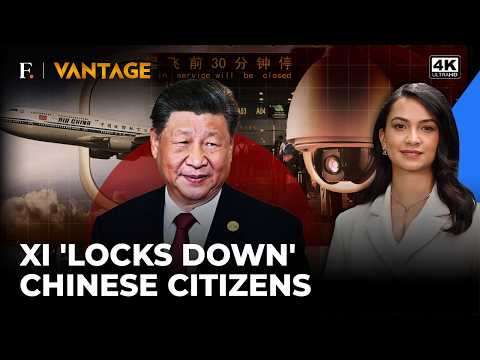
China's new exit rules take effect, giving officials power to bar citizens from leaving

China's new exit rules take effect, giving officials power to bar citizens from leaving

Rule Changes

State Council regulation turns ad hoc travel bans into a permanent legal framework for security and tech controls

Today: China tightens travel restrictions for citizens

Overview

Updated 21 minutes ago

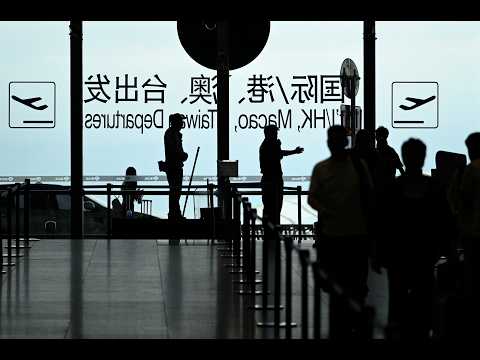
New Chinese exit-and-entry rules took effect September 15. They give border officials legal power to bar citizens from leaving on technology security, national security, or export-control grounds.

The State Council regulation is China's first unified legal framework for exit control. It replaces ad hoc travel bans with permanent authority. Citizens cannot check their own exit status, and officials may withhold notice in some cases.

Beijing says the rules target cross-border crime and protect national security. Evercore ISI analyst Neo Wang sees them as a way to keep capital and talent at home. Georgetown law professor Tom Kellogg calls them a tool to control what citizens do and say overseas.

Why it matters

Chinese citizens now face exit bans they cannot check, with limited appeal channels and no guarantee of notice.

Questions about this story

Free account needed to ask — your question is kept and asked for you right after sign-up. Answers are public.

No questions yet — be the first to ask.

Key Indicators

19
Articles in the new Regulation on Exit and Entry Administration
The 19-article framework sets out new powers to bar citizens from leaving China.
3 years
Maximum exit ban for citizens deemed to have harmed national security overseas
Those judged to have harmed China's security or interests abroad can be barred from leaving for up to three years after returning.
6 months to 3 years
Exit ban range for fraudulently obtaining entry-exit documents
People given administrative detention for document fraud or illegal border crossings face bans of six months to three years after completing punishment.

Voices

Curated perspectives — historical figures and your fellow readers.

Ever wondered what historical figures would say about today's headlines?

Sign up to generate historical perspectives on this story.

People Involved

Organizations Involved

Timeline

July 2026 September 2026

2 events Latest: Today
  1. China tightens travel restrictions for citizens

    Today Policy

    New rules take effect, letting border officials bar citizens deemed security or technology threats from leaving.

  2. China announces new exit-entry regulation

    Regulation

    The State Council promulgates the 19-article Regulation on Exit and Entry Administration, effective September 15.

Scenarios

1

First named exit bans issued under new rules

Possible Resolves by Mar 15, 2027

Discussed by: CNBC, Evercore ISI

Border authorities apply the regulation to tech executives, researchers, and wealthy families moving money or children abroad. Enforcement shows up through named cases, more questioning at airports, or a measurable drop in outbound travel among risk-profiled groups.

2

New exit rules stay selective, routine travel unchanged

Likely Resolves by Mar 15, 2027

Discussed by: CNA, Singapore Management University professor Henry Gao

The rules work mainly as deterrence, applied to a small set of high-profile cases. Ordinary tourists, students, and business travelers see no change. This matches the government's own framing that the rules target cross-border crime, not legitimate travel.

3

Beijing narrows exit rules after international pressure

Unlikely Resolves by Jun 15, 2027

Discussed by: France 24, BBC

Concern among foreign investors, students, and overseas Chinese prompts authorities to issue a clarifying policy interpretation that narrows the regulation's scope or spells out the appeal process. China has a history of adjusting policy detail while keeping the core framework intact.

Historical Context

3 moments from history that rhyme with this story — and how they unfolded.

1985-1986

China's 1985 Exit and Entry Law (1985-1986)

China's 1985 law replaced a system where citizens needed official permits for most foreign travel. The new law made passports easier to obtain and treated outbound travel as normal rather than exceptional.

Then

Outbound tourism and study abroad expanded rapidly in the following decades.

Now

The 1985 framework governed cross-border mobility for four decades and became the legal foundation today's regulation modifies.

Why this matters now

Today's rules add the most substantial formal exit-control mechanism since that liberalization.

2020-2022

China's COVID-era travel controls (2020-2022)

During the pandemic, Chinese authorities restricted new passport issuance, slashed airline capacity, and advised against non-essential outbound travel. Many citizens abroad could not return and many at home could not leave.

Then

Cross-border travel collapsed, with restrictions lifted in stages from late 2022.

Now

The episode demonstrated China's willingness to restrict movement at scale, and some controls remained after reopening.

Why this matters now

Provides a recent precedent for border control under state justification; the new rules formalize similar authority on security rather than public health grounds.

1960s-1980s

Soviet Union's exit visa regime (1960s-1980s)

The Soviet Union required exit visas for nearly all foreign travel and routinely denied them to Jews, dissidents, and others deemed politically unreliable. Refused applicants often lost jobs and faced harassment at home.

Then

Legal emigration fell to very low levels, and exit denial became a Cold War human rights flashpoint.

Now

International pressure and domestic reform ended the exit visa requirement in the late 1980s, just before the Soviet collapse.

Why this matters now

A working example of exit control as political leverage, and of how sustained pressure can reverse it.

Sources

(8)