


Pull to refresh
Logo
Clermont County orders independent testing at Ohio River coal ash landfill

Clermont County orders independent testing at Ohio River coal ash landfill

Built World

Residents near the Zimmer landfill report sulfur odors and chronic illness. The owner's own monitoring shows lithium above groundwater standards.

Overview

Updated 1 hour ago

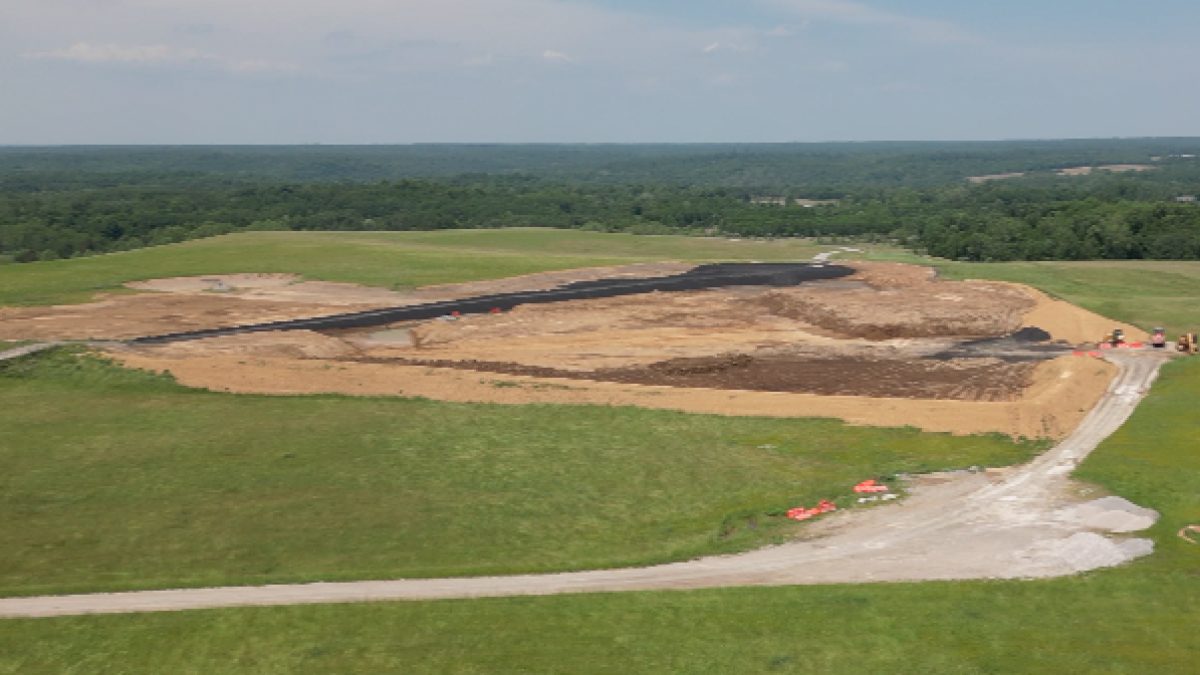
Coal ash from power plants that once ran along the Ohio River has been piling up for decades in a 1,400-acre landfill in rural Clermont County, Ohio, near the village of Moscow. On November 17, The Guardian reported that residents living beside it say sulfur odors and chronic illnesses have made the area hard to live in, and that the landfill owner's monitoring data recorded lithium above groundwater protection standards.

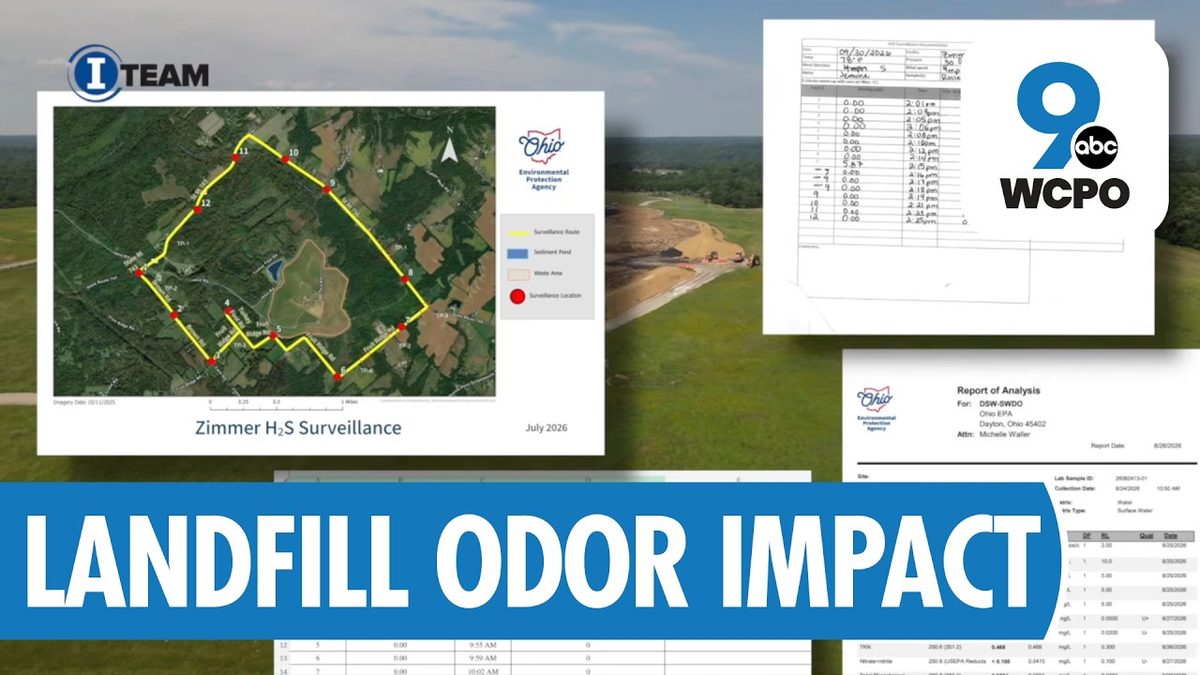
The dispute is now about who gets to decide whether the waste is safe. State air testers found only faint sulfur odors and the Ohio Department of Health said they pose no health concern. Clermont County commissioners have decided to pay for their own, more thorough sampling, after the landfill's owner declined to let the township take water samples on site.

Why it matters

The Ohio River supplies drinking water to millions, and the tests now being ordered will show whether a closed coal plant's waste is reaching it.

Questions about this story

Free account needed to ask — your question is kept and asked for you right after sign-up. Answers are public.

No questions yet — be the first to ask.

Key Indicators

1,400 acres
Size of the Zimmer landfill
The site receives coal ash and other hazardous waste from power plants around the Cincinnati region.
2
2026 monitoring rounds with lithium above groundwater standards
Vistra subsidiary Luminant's groundwater reports recorded the exceedances in February and August 2026.
1 mile
Distance downstream of the state's creek sample
Ohio EPA sampled Little Indian Creek about a mile from the suspected source, which residents say dilutes any signal.
2017
Year US EPA found an on-site acute hazard
Federal sampling recorded hydrogen sulfide at levels high enough for a potential acute human health hazard at the landfill, though not off site.

Voices

Curated perspectives — historical figures and your fellow readers.

Sign up to generate historical perspectives on this story.

People Involved

Organizations Involved

Timeline

2017 November 2026

7 events Latest: Today
Tap a bar to jump to that date
  1. Guardian reports residents' health complaints

    Today Media

    The Guardian details residents' accounts of odors and illness and the lithium readings in the owner's monitoring data.

  2. County orders independent sampling

    Policy

    Clermont County's air quality team decides to hire an outside contractor for overnight and early-morning air and water tests.

  3. Township denied landfill access

    Statement

    Washington Township asks Vistra to allow water sampling on the property; the company declines.

  4. Ohio EPA samples creek a mile downstream

    Testing

    State regulators report Little Indian Creek meets water standards, but residents question the sampling distance.

  5. Second lithium exceedance recorded

    Monitoring

    August monitoring again shows lithium above groundwater standards.

  6. Lithium exceeds groundwater standards

    Monitoring

    Vistra subsidiary Luminant's groundwater report records lithium above protection standards at the site.

Scenarios

1

Independent sampling finds contamination above state or federal limits

Possible Resolves by Q2 2027

Discussed by: Residents and Clermont County officials who sought outside testing

The county's contractor samples air and water at times the state did not cover, including overnight. If results show hydrogen sulfide or metals above limits near homes or the creek, the county gains a factual basis to demand state enforcement or sue, and the Ohio EPA faces pressure to revisit its finding that the odor poses no health risk.

2

Independent testing confirms no health risk and the county drops the issue

Possible Resolves by Q2 2027

Discussed by: Ohio EPA, Ohio Department of Health and Vistra

If the more thorough sampling matches the state's results, the county's case weakens. Officials would likely point to the Ohio Department of Health determination that the odor is not a health concern, and residents' complaints would remain without a regulatory hook.

3

Vistra grants landfill access for outside water sampling

Unlikely Resolves by Q1 2027

Discussed by: Washington Township trustees and residents

The township's September 2026 request was refused, but continued county and press attention could push Vistra to allow supervised sampling at the site. Access would let testers sample close to the waste rather than a mile downstream, where dilution is likely.

Historical Context

3 moments from history that rhyme with this story — and how they unfolded.

December 2008

Kingston Fossil Plant coal ash spill (2008)

A dike at a Tennessee Valley Authority coal ash impoundment in Kingston, Tennessee, failed, releasing about 1.1 billion gallons of ash slurry across 300 acres and into the Emory River. It was the largest industrial spill in US history.

Then

The cleanup took years and cost the utility more than $1 billion.

Now

The spill drove the first federal rules on coal ash disposal, issued by the US Environmental Protection Agency in 2015.

Why this matters now

It established that coal ash stored in ponds and landfills is a regulated waste stream, which is the framework the Zimmer site operates under.

February 2014

Dan River coal ash spill (2014)

A stormwater pipe beneath a Duke Energy ash basin in Eden, North Carolina, collapsed, sending roughly 39,000 tons of coal ash and millions of gallons of wastewater into the Dan River.

Then

Duke Energy pleaded guilty to federal criminal violations and paid fines and restitution.

Now

North Carolina ordered its utilities to excavate and rebury ash at lined sites, a standard other states have cited.

Why this matters now

It shows how a single pipe failure can convert a storage site into a water-quality case, the concern residents raise about the drainage pipe near the Zimmer landfill.

2019 to present

Beckjord coal plant dispute (2019 onward)

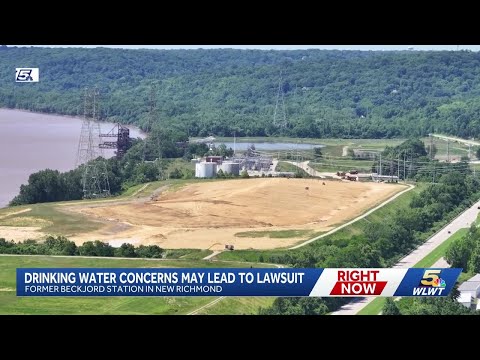
Residents near the former Beckjord plant in Pierce Township, also in Clermont County, sued owner Commercial Liability Partners over logging and road building in a buffer zone. The case went to trial over $3.3 million in claimed damages. County commissioners separately filed notice of intent to sue over coal waste storage at the site.

Then

The dispute produced a jury trial and a county legal threat against the site's owners.

Now

Concerns about the Beckjord site reached the Ohio governor's office after a groundwater interceptor well stopped operating in 2023.

Why this matters now

It is the same county, the same river and a similar waste stream, which is why Clermont County officials moved quickly on the Zimmer complaints.

Sources

(6)