


Pull to refresh
Logo
Justice Department charges suspects in ghost student student aid fraud

Justice Department charges suspects in ghost student student aid fraud

Force in Play

Prosecutors say stolen identities and AI tools turned fake enrollments into federal aid money routed to Kenya.

Overview

Updated 1 hour ago

Americans who never enrolled in college are receiving bills for classes they never took. Prosecutors say identity thieves used their Social Security numbers to apply for federal student aid, enroll as ghost students and route the refunds overseas.

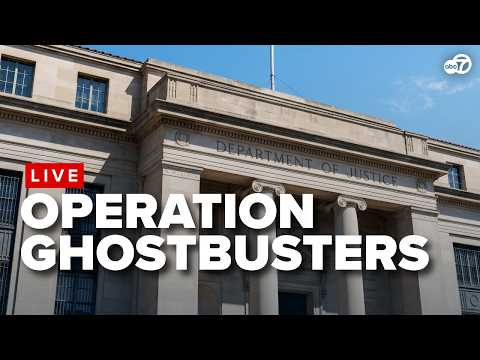
The Justice Department announced charges against five people on Oct. 29 in Operation Ghostbusters, a nationwide investigation into the scheme. Officials tied the cases to Kenyan nationals and said artificial intelligence tools helped keep fake students enrolled long enough to collect aid.

Why it matters

The case shows how federal aid can flow to fake students, and why identity checks now decide who gets college money.

Questions about this story

Free account needed to ask — your question is kept and asked for you right after sign-up. Answers are public.

No questions yet — be the first to ask.

Key Indicators

830,840
Potentially fraudulent federal student aid IDs
Investigators identified the accounts and recommended that the Education Department disable them.
$130M
Aid tied to flagged IDs
The Justice Department estimated the value of accounts flagged in September and October 2026.
$750K
Cryptocurrency seized in Kenya
Officials called it the first international seizure of its kind for the fraud division.
5
People charged
Cases were announced in New Jersey, Virginia and Nebraska.
$2.9M
Combined intended loss
The announced cases involved roughly $1.5 million, $1.4 million and $20,000 in intended losses.

Voices

Curated perspectives — historical figures and your fellow readers.

Sign up to generate historical perspectives on this story.

People Involved

Organizations Involved

Timeline

2021 October 2026

6 events Latest: 2 days ago
Tap a bar to jump to that date

Scenarios

1

More Kenyan co-conspirators face U.S. charges

Likely Resolves by Q2 2027

Discussed by: Justice Department officials and court records

DOJ says it will seek to charge Kenyan co-conspirators tied to the safari company and other networks. Additional arrests or extraditions would mark the next phase. The trigger is new charging documents naming suspects located in Kenya.

2

Education Department disables flagged student aid IDs

Likely Resolves by Jan 31, 2027

Discussed by: DOJ and Education Department officials

Investigators recommended disabling 830,840 potentially fraudulent aid IDs. The Education Department would need to confirm the action and tighten FAFSA identity checks. That would cut off a route for ghost student refunds.

3

A named defendant pleads guilty or is convicted

Possible Resolves by End of 2027

Discussed by: Prosecutors and defense filings

The New Jersey, Virginia and Nebraska cases now move through federal courts. A guilty plea or trial conviction would show how the charges hold up. The trigger is a court record or DOJ announcement of a plea or verdict.

Historical Context

3 moments from history that rhyme with this story — and how they unfolded.

2020-2022

Pandemic Unemployment Assistance fraud (2020-2022)

States rushed to pay pandemic unemployment benefits with self-certification. Identity thieves filed claims for people who never applied, and money moved through mule accounts.

Then

States added identity checks and federal prosecutors brought cases.

Now

The episode showed how remote benefit systems can be drained before verification catches up.

Why this matters now

Student aid relies on similar self-reported identity data and remote enrollment, the same weaknesses ghost student fraud exploits.

2000s-2010s

For-profit college recruitment fraud (2000s-2010s)

Some for-profit colleges paid recruiters based on enrollment, and federal aid followed students into programs they often did not finish.

Then

The government tightened gainful-employment rules and pursued fraud cases.

Now

Enrollment became a known pressure point for federal aid.

Why this matters now

Ghost student cases exploit the same link between enrollment and aid disbursement, now with stolen identities instead of recruited students.

2010s

IRS identity theft refund fraud crackdown (2010s)

Thieves filed tax returns in other people's names to claim refunds. The Internal Revenue Service added filters and identity-protection PINs.

Then

Refund fraud fell as the agency screened returns before payment.

Now

Thieves moved to other programs with weaker front-end checks.

Why this matters now

The ghost student case shows the same pattern: fraud shifts to programs where identity checks lag behind the money flow.

Sources

(9)