

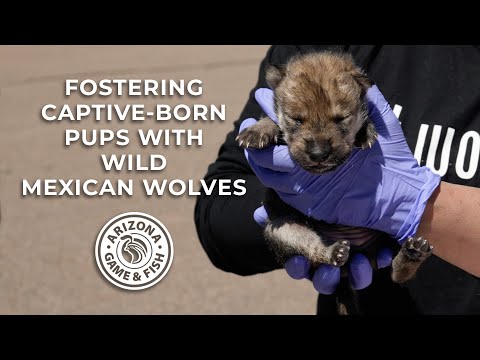
Saint Louis Zoo red wolf pups join wild pack in North Carolina
New CapabilitiesCross-fostering exchange adds zoo-born genetics to a wild population of fewer than 40
Yesterday: News of successful foster spreads widelyNew here? Follow stories to track developments over time. Create a free account to get updates when stories you care about change.
Overview
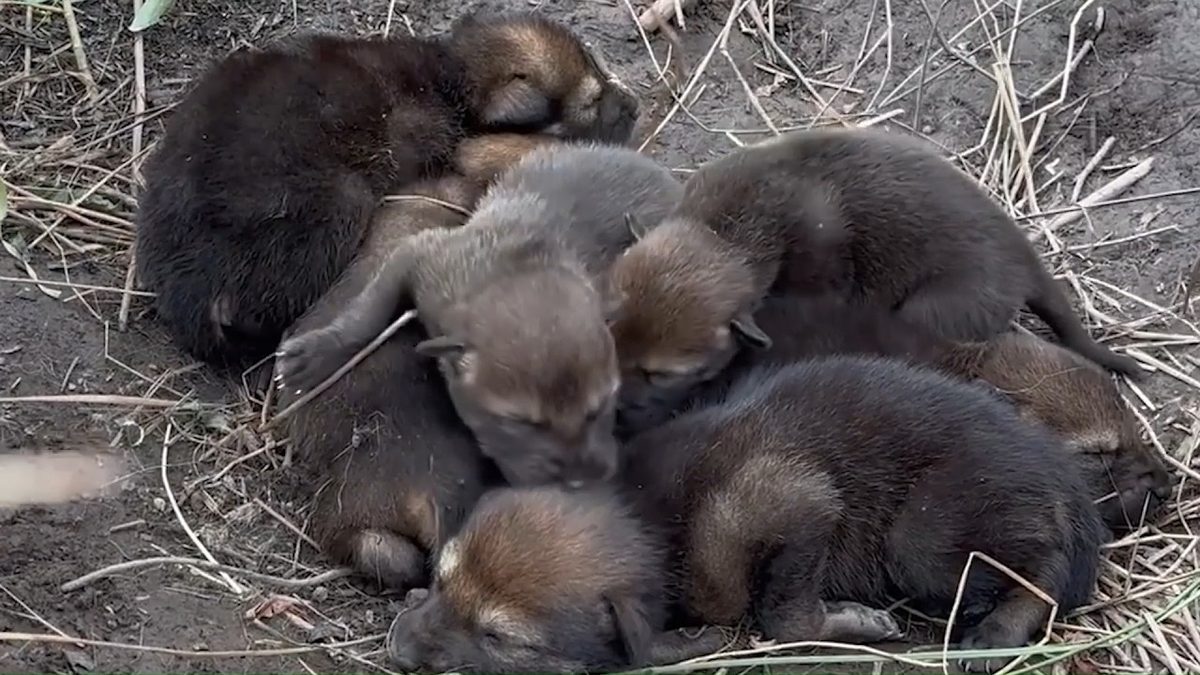
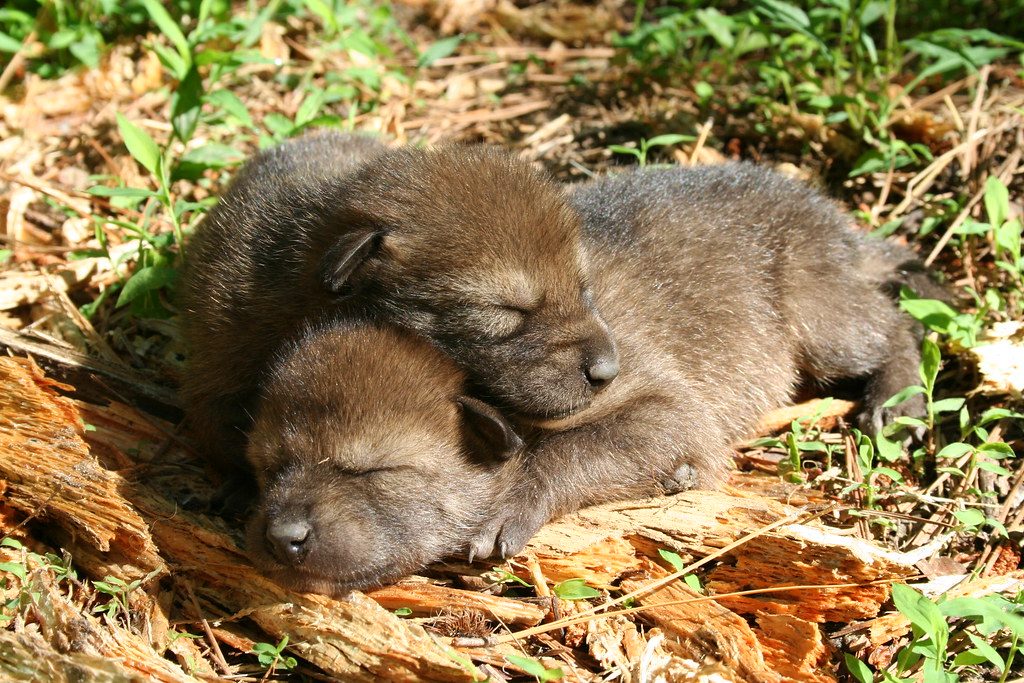
Updated 1 hour agoThree American Red Wolf pups born at the Saint Louis Zoo are now living with a wild pack in North Carolina. Trail cameras confirmed the wild mother accepted all three into her litter, a rare success for a species with fewer than 40 individuals left in the wild.
The foster is part of a coordinated recovery effort run by the U.S. Fish and Wildlife Service and the Association of Zoos and Aquariums' SAFE program. Zoo-born pups bring genetic diversity into a shrinking wild population, and the exchange runs both ways: four wild pups were also placed with the zoo's litter.
Why it matters
With fewer than 40 American Red Wolves left in the wild, each surviving pup is a measurable step toward keeping the species from extinction.
Questions about this story
Free account needed to ask — your question is kept and asked for you right after sign-up. Answers are public.
No questions yet — be the first to ask.
Key Indicators
Voices
Curated perspectives — historical figures and your fellow readers.
Play
Exploring all sides of a story is often best achieved with Play.
Higher or Lower
A number from this story, against one from elsewhere in the news — guess which is bigger, then keep the chain going. 5 rounds, 3 strikes; a miss costs a strike and resets your streak.
Keyboard: ↓/L lower · ↑/H higher
0 points — sign up to put that on the leaderboard.
Connections
Sixteen names from the news. Find the four hidden groups of four. Four mistakes max.
Sign up to keep a daily streak — a new puzzle lands every day.
Exit debate?
Your progress in this debate will be lost.
- 1 Two AI personas square off on this story.
- 2 You predict who'll win each round — correct picks earn XP.
- 3 One crossfire question is yours to fire. Pick it carefully.
Couldn't generate a topic
Select Your Champions
Choose one persona for each side of the debate
DEBATE TOPIC
Choose personas with different perspectives for a more dynamic debate.
Select debater for this side:
No debate personas available right now.
Select debater for this side:
No debate personas available right now.
Who's Got This Round?
Make your prediction before the referee scores
The referee scores both sides on
Round Results
Set the Crossfire
Pick the question both personas must answer in the final round
Debate Oracle! You called every round!
Sharp Instincts! You know your debaters!
The Coin Flip Strategist! Perfectly balanced!
The Contrarian! Bold predictions!
Inverse Genius! Try betting the opposite next time!
XP Breakdown
Prediction History
People Involved
Organizations Involved
One of the leading zoos in the AZA SAFE American Red Wolf program, breeding red wolves at its Sears Lehmann, Jr. Wildlife Reserve.
The federal agency responsible for the Red Wolf Recovery Program, which manages the only wild red wolf population in eastern North Carolina.
The Association of Zoos and Aquariums' Saving Animals from Extinction program, which coordinates breeding of red wolves in professional care.
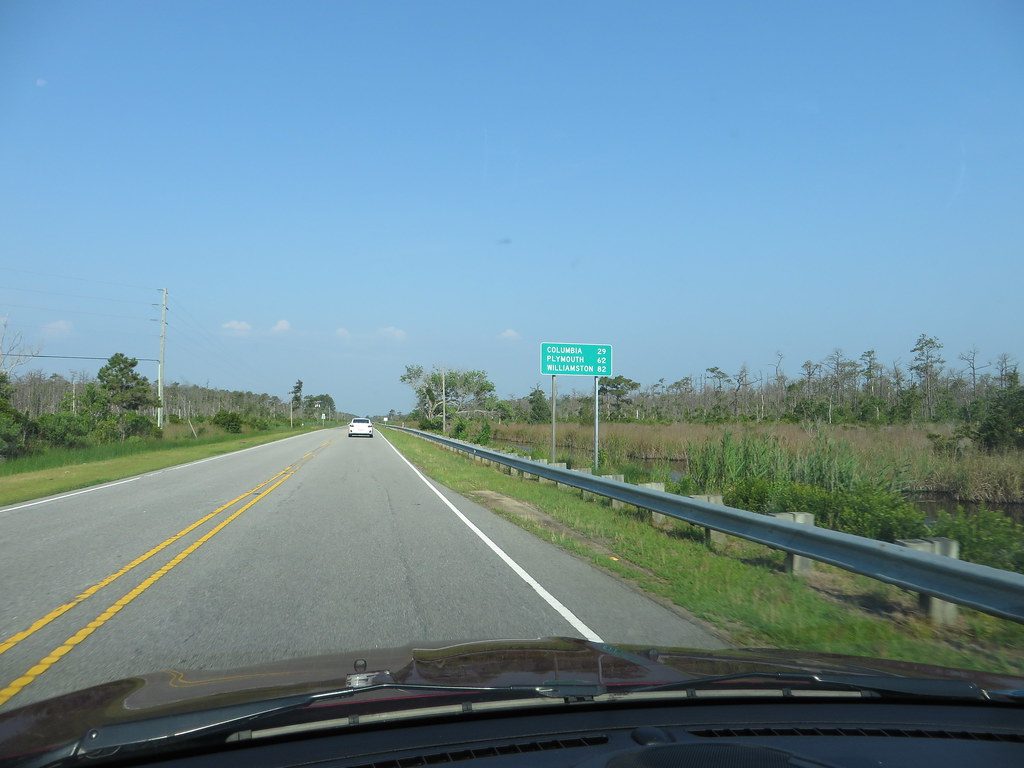
The refuge in northeastern North Carolina where the fostered pups were placed into a wild red wolf den.
Timeline
January 1967 September 2026
-
News of successful foster spreads widely
Latest AnnouncementStory of the successful foster reaches national attention, including top of Reddit's r/UpliftingNews.
-
Trail cameras confirm pups alive and thriving
ConfirmationRefuge cameras confirmed all three zoo-born pups survived and were accepted by the wild mother.
-
Pups placed in wild den in North Carolina
OperationFish and Wildlife Service biologists placed pups into a wild litter at Alligator River National Wildlife Refuge.
-
Three pups collected from Saint Louis Zoo reserve
OperationSeven-day-old pups taken from litter at Sears Lehmann, Jr. Wildlife Reserve after health exams.
-
Wild red wolf population peaks at 120
MilestonePopulation reached 120 animals before declining sharply due to human-caused mortality.
-
Red wolf listed as endangered
LegalListed as endangered under the Endangered Species Act of 1973.
-
Red wolf listed as threatened with extinction
LegalFirst listed under the Endangered Species Preservation Act of 1966.
Historical Context
3 moments from history that rhyme with this story — and how they unfolded.
Black-footed ferret recovery (1981-present)
After being declared extinct in 1979, a small population of black-footed ferrets was discovered in Wyoming in 1981. Disease outbreaks reduced the population to 18 individuals, all brought into captivity.
Captive breeding saved the species from extinction.
Thousands of ferrets have been born in captivity, and reintroductions have established wild populations across the Great Plains.
Like the red wolf, the black-footed ferret was saved by captive breeding from a tiny founder population, showing the technique can work for critically endangered mammals.
California condor recovery (1987-present)
By 1987, only 22 California condors remained in the wild. All were captured and brought into a captive breeding program, a controversial decision at the time.
The captive population grew steadily, and releases began in 1991.
Today, more than 300 condors fly wild in California, Arizona, and Mexico, though the species still depends on ongoing management.
Shows that captive breeding and release can pull a species back from the edge of extinction, though it takes decades of sustained effort.
Yellowstone wolf reintroduction (1995)
In 1995, the U.S. Fish and Wildlife Service released 31 gray wolves captured in Canada into Yellowstone National Park and central Idaho.
The wolves bred rapidly, and the population grew to hundreds across the Northern Rockies within a decade.
The reintroduction is considered one of the most successful wildlife restoration efforts in U.S. history, though it faced intense political opposition.
Demonstrates that reintroducing wolves to suitable habitat can rebuild a population, but red wolves face the added challenge of hybridization with coyotes.
