
Pull to refresh
Logo
Mexican gray wolves reestablish in Durango's forests after 50-year absence

Mexican gray wolves reestablish in Durango's forests after 50-year absence

New Capabilities

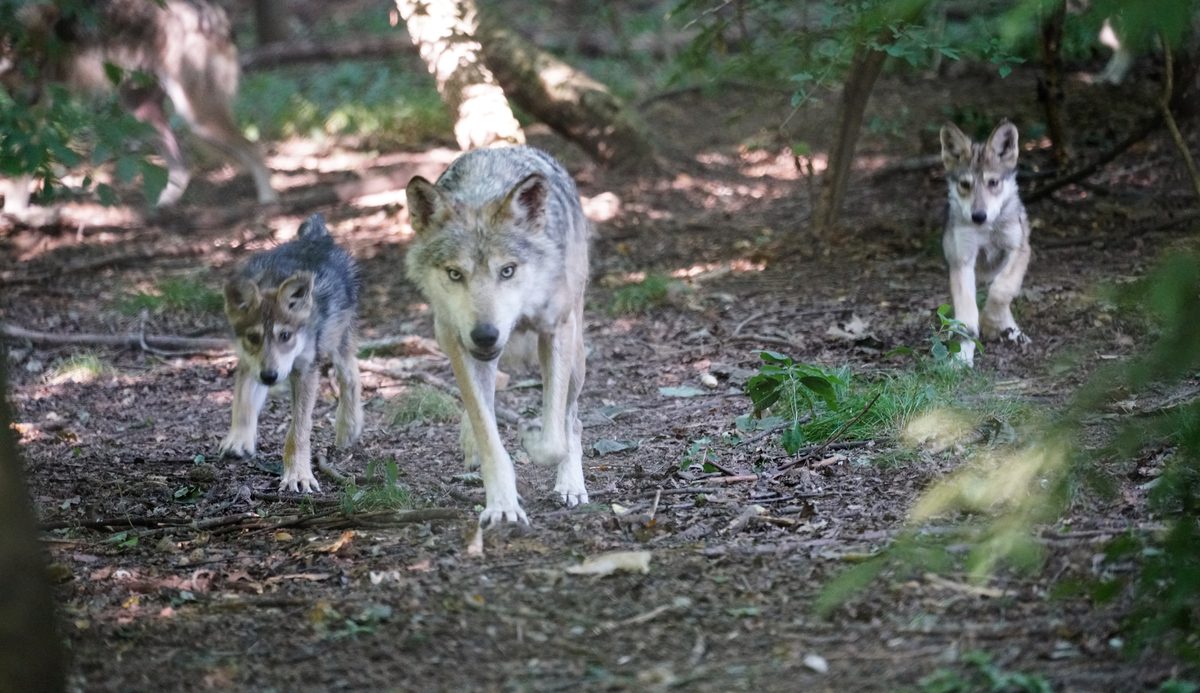
Two packs from the binational captive breeding program now roam the Sierra Madre Occidental

Today: Durango population establishing; wild-born pups confirmed

Overview

Updated 1 hour ago

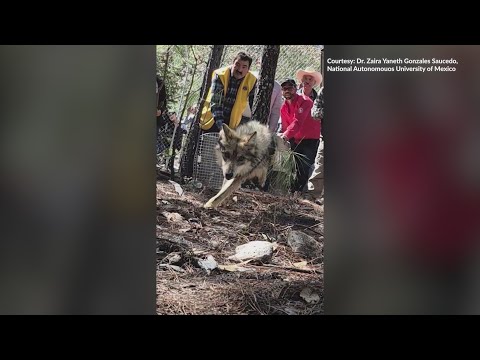
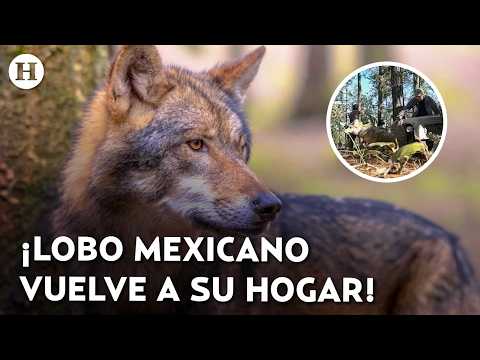
In the 1970s, federal agents captured the last wild Mexican gray wolves in northern Mexico, seven animals that became the founders of a captive breeding program. Fifty years later, two packs descended from those wolves were released into Durango's Sierra Madre Occidental, their first wild home in Mexico since the subspecies vanished there.

The March 2026 releases reopen a stretch of the Mexican wolf's historic range that sat empty for half a century. The binational recovery plan targets 520 wild wolves across the US and Mexico, and Durango holds some of the most intact wolf habitat left in the country.

Why it matters

If the Durango population takes hold, the Mexican wolf regains most of its ancestral range and moves closer to living without intensive human management.

Questions about this story

Free account needed to ask — your question is kept and asked for you right after sign-up. Answers are public.

No questions yet — be the first to ask.

Key Indicators

38
Wild Mexican wolves in Mexico
Eight in Durango, 30 in Chihuahua as of spring 2026
300+
Wild Mexican wolves in the US Southwest
Population across New Mexico and Arizona
7
Founding animals of the breeding program
Every Mexican wolf alive today descends from these seven captured in the 1970s-80s
520
Recovery target across both countries
320 wolves in the US and 200 in Mexico under the 2017 revised plan

Voices

Curated perspectives — historical figures and your fellow readers.

Ever wondered what historical figures would say about today's headlines?

Sign up to generate historical perspectives on this story.

People Involved

Organizations Involved

Timeline

March 1976 September 2026

10 events Latest: Today
Tap a bar to jump to that date
  1. Durango population establishing; wild-born pups confirmed

    Today Milestone

    Four pups were born in the wild in Mexico between 2024 and 2026, and the released Durango packs are expected to reproduce, with up to 20 more wolves slated for release over the next year.

  2. Packs released into the wild in Durango

    Reintroduction

    The two packs were freed into the Sierra Madre Occidental, the first wild Mexican wolves in the region in over 50 years.

  3. Two wolf packs arrive at Durango pre-release site

    Reintroduction

    Two family groups of four wolves each were placed in enclosures at Santa Catarina de Tepehuanes, Durango, to acclimate.

  4. Binational agreement signed with CONANP

    Agreement

    CONANP signed a Letter of Intent with the US Fish and Wildlife Service and state agencies to strengthen joint recovery work.

  5. Recovery plan revised with new targets

    Policy update

    The plan set targets of 320 wild wolves in the US and 200 in Mexico.

  6. First Mexico releases in Sonora and Chihuahua

    Reintroduction

    Wolves were released in northern Mexico, but the population faltered and releases were later halted.

  7. First wolves reintroduced in Arizona and New Mexico

    Reintroduction

    Captive-bred Mexican wolves were released into the US Southwest, the first wild population in the US since their extirpation.

  8. Mexican Wolf Recovery Plan signed

    Agreement

    US and Mexican authorities signed the first formal recovery plan for the subspecies.

  9. Last wild Mexican wolves captured in Mexico

    Conservation action

    A US Fish and Wildlife Service agent captured the last wild wolves in Mexico from 1977 to 1980, seven animals that became the captive breeding nucleus.

Scenarios

1

Durango wolf population thrives and expands along the Sierra Madre

Likely Resolves by Sep 1, 2027

Discussed by: Arizona Game and Fish, New Mexico Game and Fish, and the binational recovery program

Both Durango pack females whelp pups that survive, and additional releases bring the population past 50 wolves over the next year. The population establishes connectivity with Chihuahua, and the Mexican side approaches its 200-wolf recovery target over the following decade.

2

Durango release stalls like the 2011 Chihuahua effort

Possible Resolves by Sep 1, 2027

Discussed by: Conservation specialists monitoring the Sonora and Chihuahua releases that faltered

Low genetic diversity from the seven-founder population, poaching, or livestock conflict depresses survival. The population fails to grow and releases are paused, repeating the pattern that halted the 2011 effort in Chihuahua.

3

US delisting of the Mexican wolf shifts recovery burden to Mexico

Possible Resolves by Jun 1, 2027

Discussed by: Mexico Business News and wildlife specialists

The US administration finalizes a proposal to remove Endangered Species Act protections for the Mexican wolf. Delisting shifts the burden of achieving the recovery target onto Mexico, making the Durango population's success critical and putting the country's monitoring and livestock-coexistence capacity under scrutiny.

Historical Context

3 moments from history that rhyme with this story — and how they unfolded.

April 1987

California condor recovery (1987)

The last 22 wild California condors were brought into captivity to prevent extinction. The species had declined due to lead poisoning, habitat loss, and shooting, and scientists had never attempted a recovery from such a tiny founder population.

Then

The captive breeding program grew the population from 22 to hundreds, with the first reintroductions to the wild beginning in 1992.

Now

The condor program proved that species can be pulled back from the brink of extinction through intensive captive breeding and careful release management, though the birds still require ongoing monitoring for lead exposure.

Why this matters now

The Mexican wolf program parallels the condor recovery: both descend from a handful of founders (seven wolves, 22 condors) and depend on captive breeding and managed releases. The condor case shows slow growth is possible from an extremely small genetic base.

January-March 1995

Yellowstone wolf reintroduction (1995)

Federal wildlife officials captured 31 gray wolves from Canada and released them into Yellowstone National Park and central Idaho, ending 70 years of absence. Local ranchers and state officials opposed the effort and filed lawsuits to block it.

Then

The wolves bred quickly, and the Yellowstone population grew to over 100 animals within a decade, changing elk behavior and allowing willow and aspen to recover along streams.

Now

The reintroduction became the model for large-carnivore recovery in the US, showing that public support and active management are essential to sustained success.

Why this matters now

The Durango release applies the same playbook: reintroduction into a historic stronghold with a solid prey base and community engagement. The Yellowstone outcome shows what ecological recovery can look like if the population establishes.

October 2011-2015

2011 Sonora and Chihuahua releases (2011-2015)

The first Mexican wolf releases in Mexico placed animals in Sonora and Chihuahua, the northern states bordering the US. The goal was to establish a second wild population beyond the US Southwest.

Then

The population initially took hold but then faltered. Releases were halted as the population stagnated, and the effort did not reach a self-sustaining level.

Now

The failure set back Mexican recovery for a decade and highlighted the need for better site selection, community engagement, and consistent monitoring, lessons now applied in Durango.

Why this matters now

The Durango release is the direct successor to this effort. Its success or failure will show whether the lessons from Chihuahua have actually been absorbed into program design.

Sources

(9)