
Amur leopard conservation breeding resumes in Helsinki
New CapabilitiesTwo critically endangered cubs born at Korkeasaari Zoo after a five-year mate search
Yesterday: Breeding success draws international attentionNew here? Follow stories to track developments over time. Create a free account to get updates when stories you care about change.
Overview
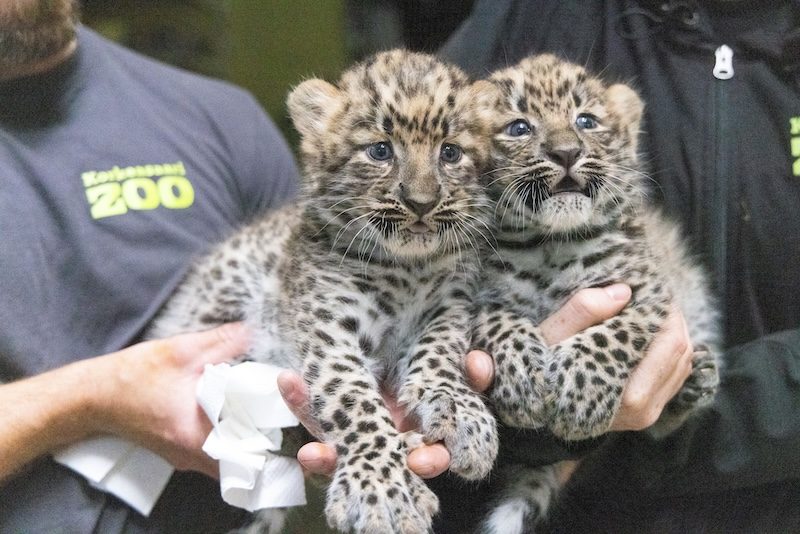
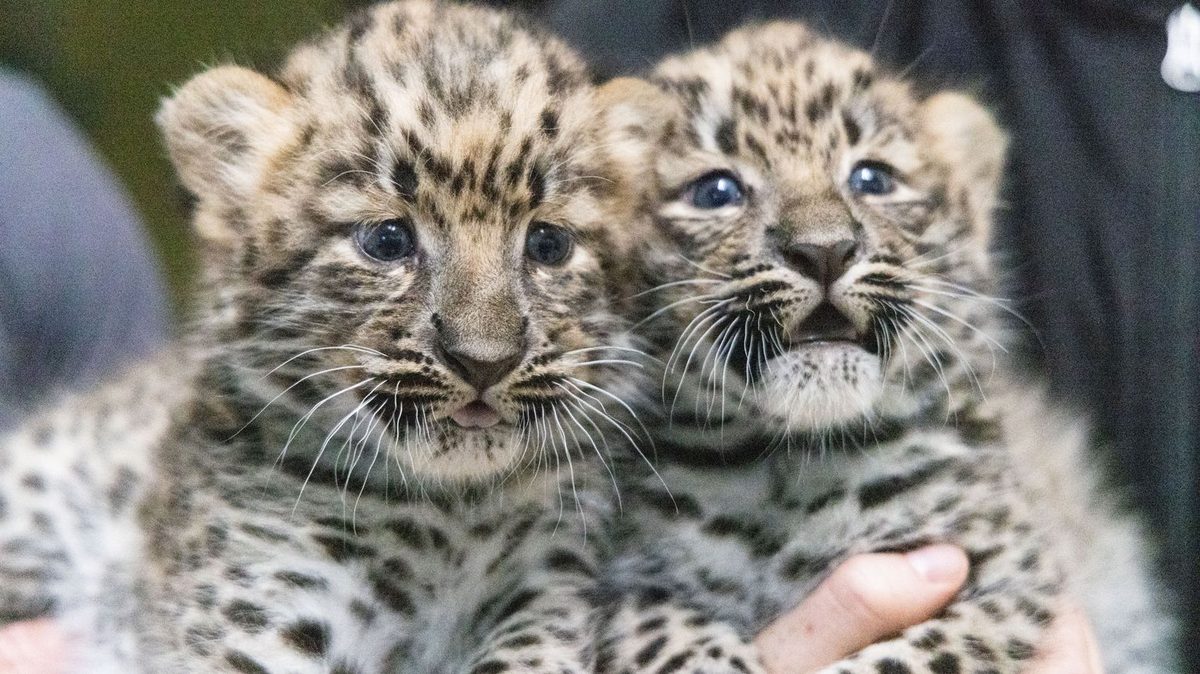
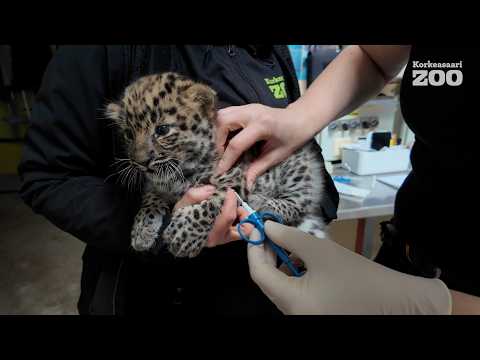
Updated 1 hour agoHelsinki's Korkeasaari Zoo has its first Amur leopard cubs in 11 years. A male and female born in late July each weigh about 2.5 kilograms now.
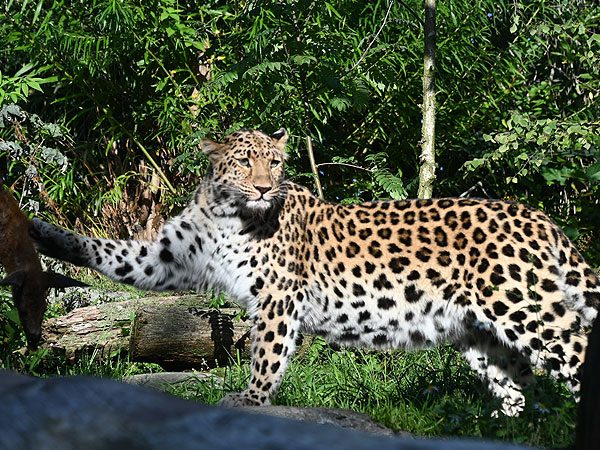
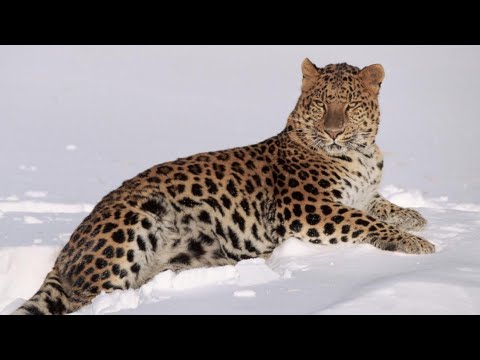
The father, Timba, carries a rare genetic line from a wild-born leopard rescued in Russia. With about 130 Amur leopards left in the wild, each captive-born cub widens a dangerously narrow gene pool. Zoo staff spent five years finding a female Timba could breed with.
Why it matters
Each Amur leopard cub adds genetic diversity to a species with roughly 130 members left in the wild.
Questions about this story
Free account needed to ask — your question is kept and asked for you right after sign-up. Answers are public.
No questions yet — be the first to ask.
Key Indicators
Voices
Curated perspectives — historical figures and your fellow readers.
Play
Exploring all sides of a story is often best achieved with Play.
Higher or Lower
A number from this story, against one from elsewhere in the news — guess which is bigger, then keep the chain going. 5 rounds, 3 strikes; a miss costs a strike and resets your streak.
Keyboard: ↓/L lower · ↑/H higher
0 points — sign up to put that on the leaderboard.
Connections
Sixteen names from the news. Find the four hidden groups of four. Four mistakes max.
Sign up to keep a daily streak — a new puzzle lands every day.
Exit debate?
Your progress in this debate will be lost.
- 1 Two AI personas square off on this story.
- 2 You predict who'll win each round — correct picks earn XP.
- 3 One crossfire question is yours to fire. Pick it carefully.
Couldn't generate a topic
Select Your Champions
Choose one persona for each side of the debate
DEBATE TOPIC
Choose personas with different perspectives for a more dynamic debate.
Select debater for this side:
No debate personas available right now.
Select debater for this side:
No debate personas available right now.
Who's Got This Round?
Make your prediction before the referee scores
The referee scores both sides on
Round Results
Set the Crossfire
Pick the question both personas must answer in the final round
Debate Oracle! You called every round!
Sharp Instincts! You know your debaters!
The Coin Flip Strategist! Perfectly balanced!
The Contrarian! Bold predictions!
Inverse Genius! Try betting the opposite next time!
XP Breakdown
Prediction History
People Involved
Organizations Involved
Helsinki's main zoo, on an island in the city's eastern harbor.
A network of European zoos that runs breeding programs for endangered species.
Timeline
January 2021 September 2026
-
Breeding success draws international attention
Latest CoverageThe first Korkeasaari Amur leopard birth in 11 years is reported as a milestone for the species.
-
Zoo announces the cubs
AnnouncementThe five-week-old cubs weigh about 2.5 kilograms and are thriving under their mother's care.
-
Yuomi gives birth to three cubs
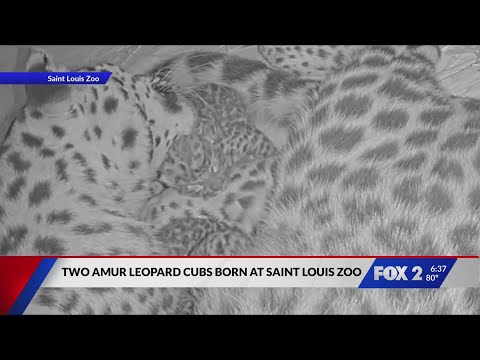
BirthThree cubs are born in the den monitored by camera. Two survive, a male and a female.
-
Timba arrives from Moscow Zoo
TransferA five-year search begins for a female Amur leopard compatible with Timba's rare genetics.
Historical Context
3 moments from history that rhyme with this story — and how they unfolded.
Arabian oryx reintroduction (1972-1982)
The last wild Arabian oryx were captured in 1972 for a 'World Herd' breeding program after hunting wiped out the species in the wild. Zoo-bred animals were later released back into Oman.
The first reintroduced oryx were released in Oman in 1982.
The species went from extinct in the wild to several thousand animals across the Arabian Peninsula.
A precedent for zoo-bred animals restoring a wild population of a species that had vanished from nature.
California condor captive breeding (1987)
In 1987, the last 22 wild California condors were brought into captivity to keep the species from vanishing. A coordinated breeding program rebuilt the population over years.
Condors bred in captivity and were first reintroduced to the wild in 1992.
More than 500 condors now live in the wild, with the program still releasing birds today.
Shows a captive breeding program can pull a species back from the edge when the wild population is almost gone.
Amur leopard population recovery (2000s-2010s)
The wild Amur leopard population fell to roughly 35 animals in the 2000s, and extinction looked inevitable. Relentless anti-poaching and habitat protection reversed the decline.
Numbers began climbing in the 2010s, passing 100 for the first time in decades.
About 130 leopards now live in the wild, but low genetic diversity remains a major threat.
The species has recovered once through protection; genetic narrowness is now the main constraint, which captive breeding directly addresses.
