

Pull to refresh
Logo
Japan's automakers agree to share steel, resin and wiring specs

Japan's automakers agree to share steel, resin and wiring specs

Rule Changes

Seven carmakers will use common specifications for components buyers never see, starting in 2027

Overview

Updated 58 minutes ago

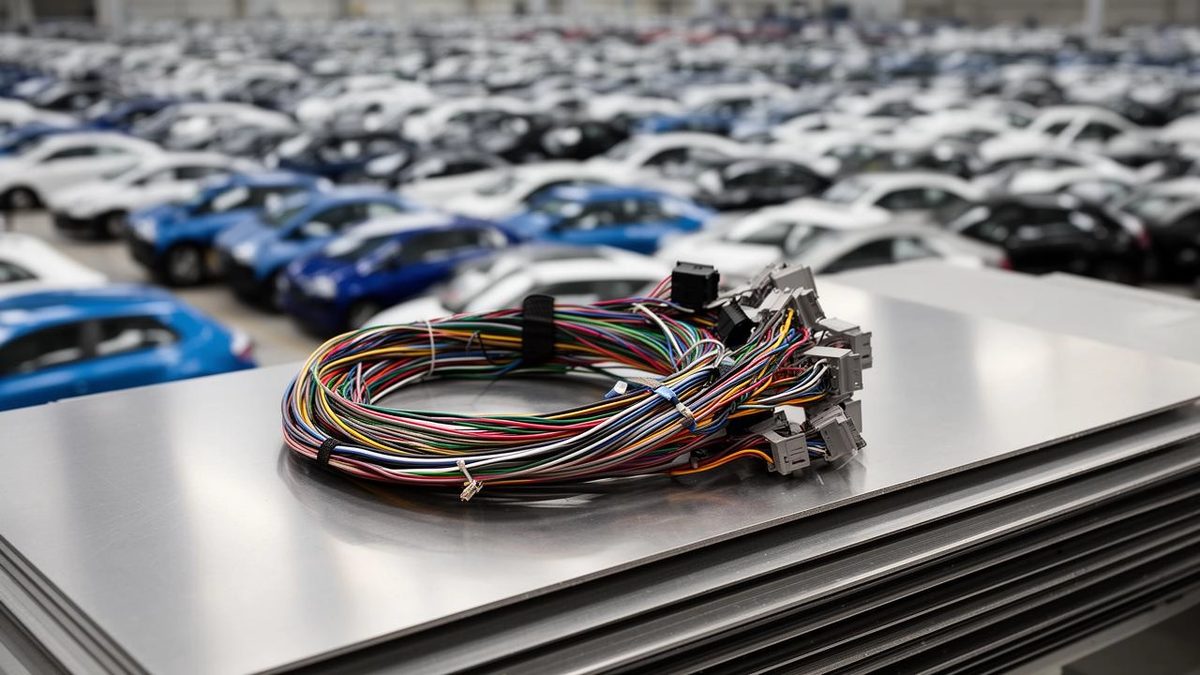
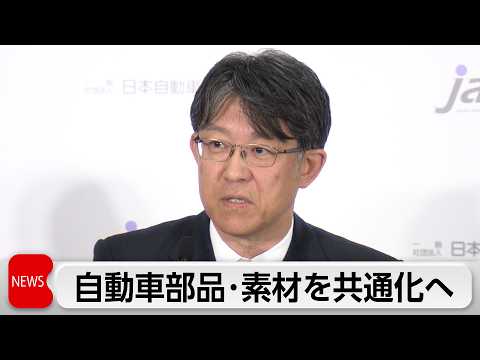
Japan's seven largest automakers agreed on Nov. 19 to use shared specifications for some steel, plastics and wiring harnesses. The Japan Automobile Manufacturers Association announced the plan at a press conference in Tokyo. None of the three categories appears on a buyer's options list, which is why rival brands could agree to it.

The change lives in the paperwork, not the parts. Today a supplier that builds the same connector for Toyota, Honda and Nissan proves it meets three separate sets of acceptance criteria. One standard means one proof, less scrap and shorter development time, money the association says should go into next-generation vehicles.

Why it matters

If the specs hold, one connector serves three brands instead of three, freeing parts budget for electric and software work.

Questions about this story

Free account needed to ask — your question is kept and asked for you right after sign-up. Answers are public.

No questions yet — be the first to ask.

Key Indicators

3
Component areas in the first round
Steel, resins and wiring harnesses are the first categories JAMA will standardize.
14
JAMA member automakers
Japanese antitrust guidance treats the standards as voluntary, so each member decides whether to use them.
~7,500
Part-spec cases Toyota reviewed alone, 2018–2025
Toyota's solo program was the test run for the industry-wide effort now being announced.
~2/3
Share of those cases Toyota adopted
Suppliers said the savings stayed small while rival automakers kept stricter specs on the same line.

Voices

Curated perspectives — historical figures and your fellow readers.

Sign up to generate historical perspectives on this story.

People Involved

Organizations Involved

Timeline

December 2017 November 2026

9 events Latest: Today
Tap a bar to jump to that date
  1. Reports detail the first three categories

    Today Report

    Coverage names steel grades, resin protocols and harness color-coding as the opening targets, with more components planned later.

  2. JAMA announces shared steel, resin and harness standards

    Announcement

    Koji Sato outlines the plan in Tokyo; the first standards are set to take effect next year.

  3. JAMA and parts makers brief media on redundant specs

    Statement

    The two associations document how one part must clear several automakers' separate criteria, driving scrap and inspection.

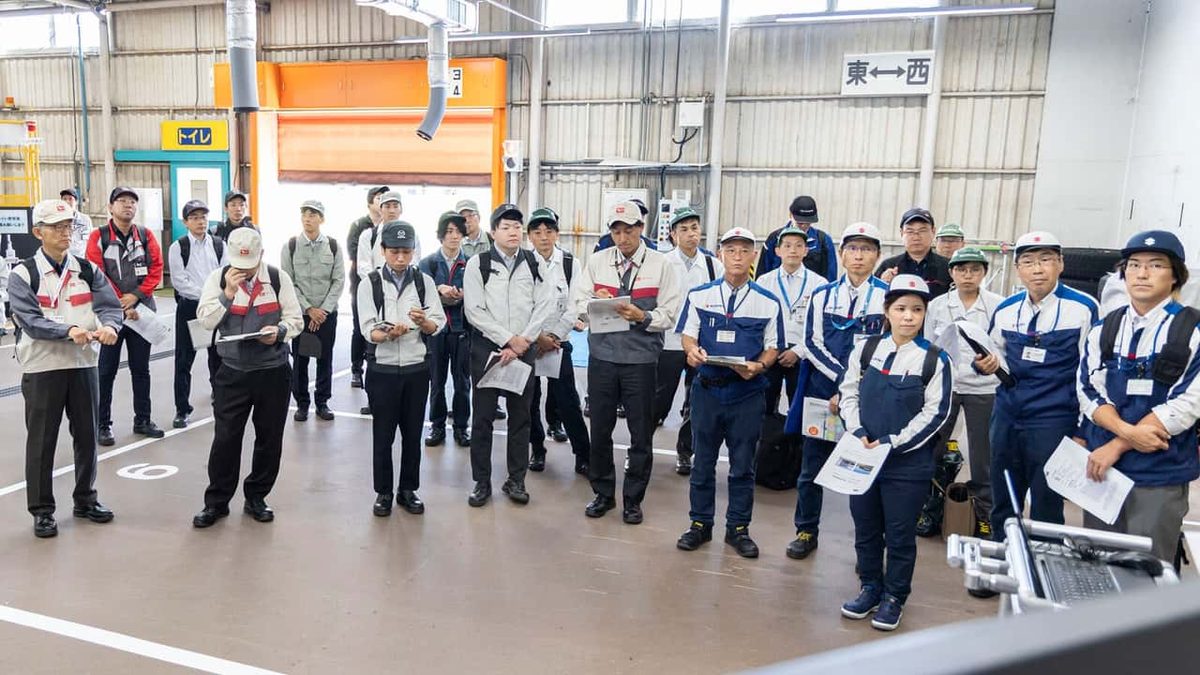
  4. Working group meets at Mazda headquarters

    Meeting

    Forty-eight companies and 222 people review physical parts and rule on supplier proposals in the room.

  5. First shared appearance guideline published

    Standard

    The guideline sorts surfaces into zones from S, very noticeable, to D, not visible in normal use.

  6. Industry talks begin in earnest

    Negotiation

    JAMA starts working toward shared specifications, a process the association says has been underway since March.

  7. JAMA names standardization a 2026 priority

    Statement

    The association lists common parts and materials among the themes it should address in the next fiscal year.

  8. Toyota's solo program passes 7,500 cases

    Program

    About two-thirds of the cases were adopted, but suppliers said the savings were small with rivals still applying stricter specs.

  9. Toyota starts reviewing its own part specs

    Program

    Toyota begins an internal effort to cut quality and performance criteria that exceed what customers need.

Scenarios

1

Common steel and resin specs take effect in 2027

Likely Resolves by End of 2027

Discussed by: JAMA, which said the first standardization efforts would go into place next year

The association said the first standards would land in 2027, starting with steel grades, resin protocols and harness color codes. Japanese suppliers join the talks first, with overseas suppliers brought in later. If a written specification appears and members say they will use it, the effort moves to its stated second phase: components that span the whole car.

2

One harness connector fits several brands

Possible Resolves by End of 2028

Discussed by: The Auto Wire, which flagged connectors and terminals as the parts to watch

Kyodo's report names the wire harness as a target without saying which pieces of it are covered. If connectors and terminals fall inside the standard, a repair shop could eventually stock one pigtail that fits more than one brand. That is a possibility to track, not something any member has promised.

3

Members keep their own specs and the effort stalls

Possible Resolves by End of 2028

Discussed by: The Auto Wire, which noted Japanese antitrust guidance leaves adoption to each company

A trade group's standard is voluntary under Japanese competition guidance, and each of JAMA's 14 members decides for itself whether to use it. A supplier facing one holdout still runs the stricter version on the same line with the same inspectors, so the savings evaporate. If enough members decline, the plan produces documents but no cost cuts.

Historical Context

2 moments from history that rhyme with this story — and how they unfolded.

2008-2026

Takata airbag recalls (2008–2026)

Airbags built by Takata with a volatile propellant went into vehicles across many brands. A 2017 NHTSA report on the recalls counted 19 vehicle manufacturers and about 46 million inflators in an estimated 34 million US vehicles.

Then

The campaign kept expanding for years; Toyota recalled another 314,000 vehicles over Takata inflators in the week of the JAMA announcement.

Now

A single defective shared component can reach every brand that bought it, and the recall follows the part, not the badge.

Why this matters now

JAMA's plan multiplies the number of vehicles that depend on any one approved part, and with it the reach of a future defect. The flip side is that one fix would cover every affected brand.

2014-2020

Japan's automotive cable standard consolidates (2014–2020)

Japan already publishes a standard for low-voltage automotive cable. JASO D625-3:2020 was built by merging an older product standard, JASO D611:2014, with a test standard, JASO D618:2013, and covers copper cable rated for 30 volts AC and 60 volts DC.

Then

The merged standard gave suppliers one national baseline for the wire itself.

Now

The duplication survived one layer up, where each automaker kept its own acceptance criteria for the same wire, connector or plastic part.

Why this matters now

JAMA is aiming at exactly that layer, the per-company rules stacked on top of national standards. That is where the repeated testing and scrap actually live.

Sources

(8)