

Pull to refresh
Logo
US and Japan agree to build AMRAAM assembly plant in Japan

US and Japan agree to build AMRAAM assembly plant in Japan

Force in Play

The facility would assemble missiles for F-35s, and the allies will share data to expand SM-3 Block IIA output.

Overview

Updated 1 hour ago

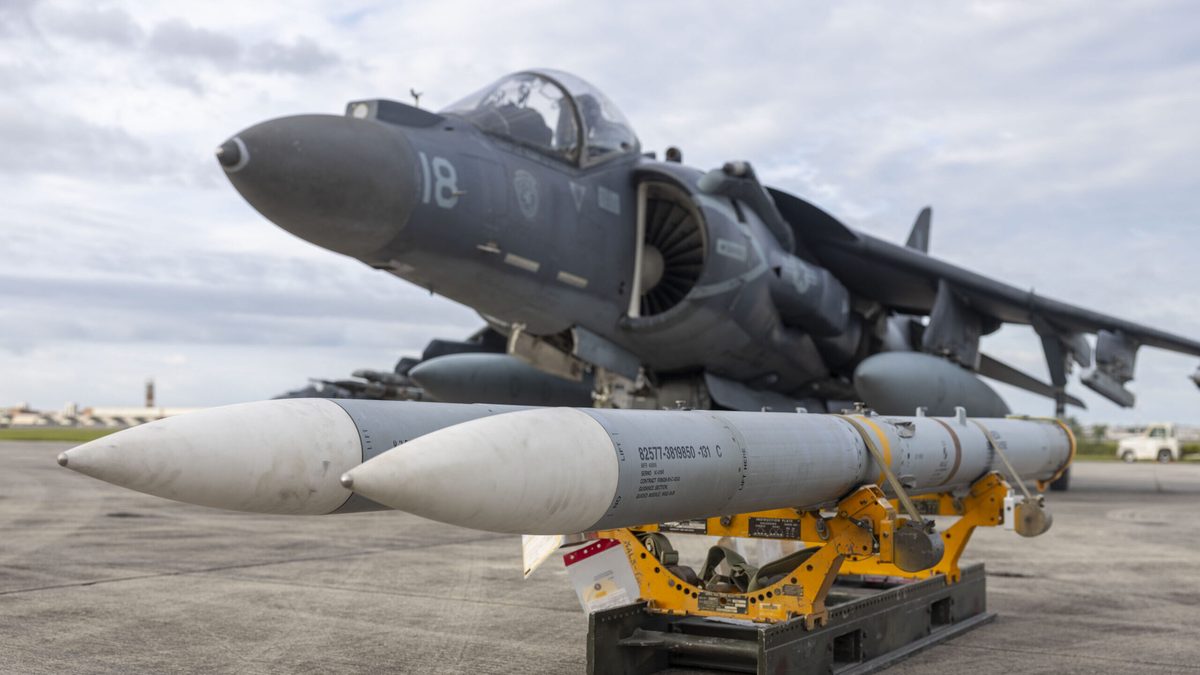
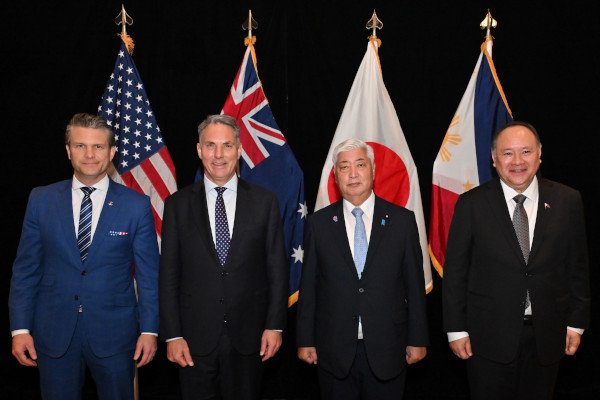
Japan will host a final assembly and checkout plant for the AIM-120 AMRAAM, the air-to-air missile carried by F-35 fighter jets. Japanese Defense Minister Shinjiro Koizumi and US Secretary of War Pete Hegseth agreed to the facility on Oct. 28 in Cebu, Philippines.

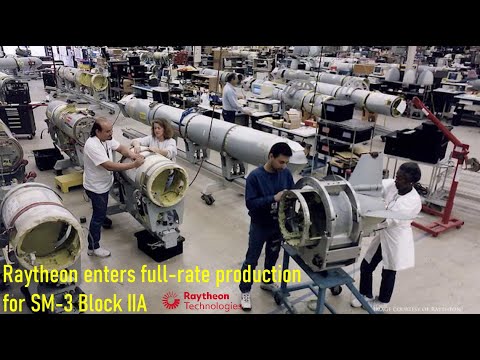
The plant would put together and test missiles from components built elsewhere, adding Japanese capacity to a US production line facing heavy demand. The ministers also agreed to share technical information to raise output of the SM-3 Block IIA, a ship-launched interceptor designed to knock down ballistic missiles.

Why it matters

Japan will assemble a missile used by F-35s, adding production capacity closer to China's coast and reducing reliance on US lines.

Questions about this story

Free account needed to ask — your question is kept and asked for you right after sign-up. Answers are public.

No questions yet — be the first to ask.

Key Indicators

1,900
Minimum annual AMRAAM production target
Set in a February 2026 framework between Raytheon and the US Department of War.
1,200
AMRAAMs approved for sale to Japan
The State Department approved up to 1,200 AIM-120D-3 and AIM-120C-8 missiles in January 2025.
$3.64B
Estimated value of AMRAAM sale to Japan
The January 2025 sale was valued at an estimated $3.64 billion.
$20B+
Raytheon AMRAAM contract ceiling
A September 2026 contract runs five years with options for two more.

Voices

Curated perspectives — historical figures and your fellow readers.

Sign up to generate historical perspectives on this story.

People Involved

Organizations Involved

Timeline

July 2024 October 2026

8 events Latest: 2 days ago
Tap a bar to jump to that date
  1. Koizumi flags Chinese warship movement

    Latest Security

    Koizumi cites Chinese warships crossing Osumi Strait near Kyushu.

  2. US and Japan agree to AMRAAM assembly plant

    Agreement

    Koizumi, Hegseth agree to AMRAAM assembly plant in Japan.

  3. Raytheon wins large AMRAAM expansion contract

    Industry

    Raytheon wins contract worth up to $20B to expand AMRAAM output.

  4. Feasibility study weighs Japanese AMRAAM work

    Industry

    Feasibility study weighs AMRAAM final assembly, circuit-card work in Japan.

  5. Allies plan to quadruple SM-3 Block IIA output

    Industry

    US, Japan agree to quadruple SM-3 Block IIA production in Japan.

  6. Raytheon and US set AMRAAM output target

    Industry

    Raytheon, US set framework for at least 1,900 AMRAAMs a year.

  7. Japan approved to buy up to 1,200 AMRAAMs

    Arms sale

    State Department approves sale of up to 1,200 AMRAAMs to Japan.

  8. US and Japan study joint missile production

    Diplomacy

    US, Japan agree to explore AMRAAM and Patriot joint production.

Scenarios

1

AMRAAM final assembly begins in Japan by 2029

Possible Resolves by End of 2029

Discussed by: Japanese Ministry of Defense; Janes and Breaking Defense

Koizumi did not disclose a site, industry partner or opening date. A working line would need construction, tooling, worker training and US certification of the plant.

2

Japan wins AMRAAM circuit-card work by 2028

Possible Resolves by End of 2028

Discussed by: Janes, citing the April 2026 feasibility study

In April, the two governments discussed expanding co-production to circuit card assemblies, the missile's electronic boards. That would move more than final assembly to Japan.

3

SM-3 Block IIA output rises by 2027

Likely Resolves by End of 2027

Discussed by: Japanese Ministry of Defense; Breaking Defense

The ministers agreed to share technical information to increase SM-3 Block IIA production but did not set a number. Japan and the US already planned to quadruple output in Japan.

Historical Context

3 moments from history that rhyme with this story — and how they unfolded.

2024-2026

SM-3 Block IIA joint production (2024-2026)

Raytheon and Mitsubishi Heavy Industries developed the SM-3 Block IIA interceptor together. It entered full-rate production in 2024. In March 2026, the US and Japan agreed to quadruple production in Japan.

Then

Japan now pays for a large share of new orders, covering nearly half the immediate funding in a $745 million contract awarded in summer 2026.

Now

The program moved from joint development to Japanese production and became a template for sharing missile work.

Why this matters now

The AMRAAM deal follows the same path: study co-production, then place final assembly and component work in Japan.

January 2025

Japan's AMRAAM purchase (2025)

The US State Department approved the sale of up to 1,200 AIM-120D-3 and AIM-120C-8 missiles to Japan. The estimated value was $3.64 billion.

Then

Japan became a major AMRAAM customer with a large confirmed order.

Now

The sale gave US and Japanese planners a demand base for local assembly.

Why this matters now

A Japanese final assembly plant would build missiles for a customer that had already ordered up to 1,200.

February-September 2026

Raytheon's AMRAAM production ramp (2026)

Raytheon and the US Department of War set a framework to raise annual AMRAAM production to at least 1,900. In September, Raytheon won a contract worth up to more than $20 billion over five years, with options for two more.

Then

The Pentagon said the contract would nearly double AMRAAM production if lawmakers funded it.

Now

The deal showed US demand outpacing existing AMRAAM lines.

Why this matters now

Japan's final assembly plant is meant to add capacity to that strained supply chain.

Sources

(7)