


Pull to refresh
Logo
France's top court puts Rodin 3D scans beyond freedom-of-information law

France's top court puts Rodin 3D scans beyond freedom-of-information law

Rule Changes

Conseil d'État rules scans are part of the museum's inalienable collection

3 days ago: Wenman publishes account of the fight

Overview

Updated 1 hour ago

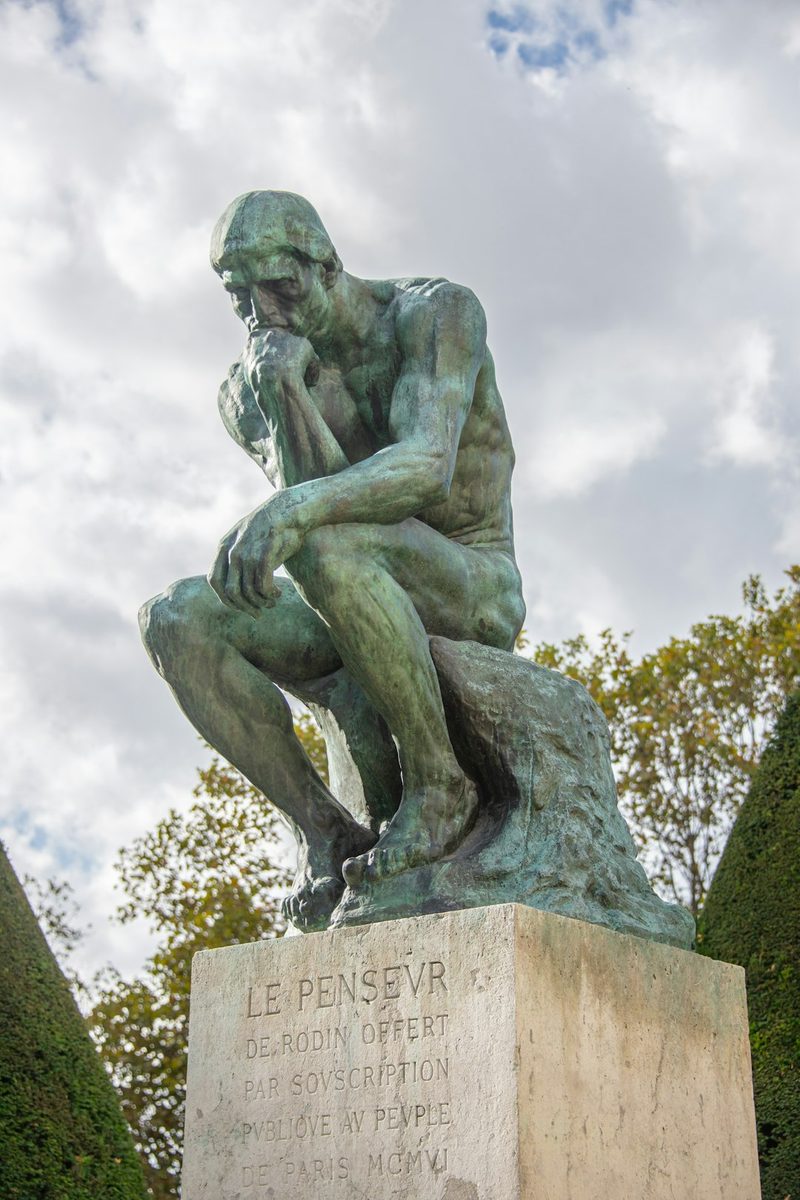
France's highest administrative court has ruled that the Rodin Museum's 3D scans of Rodin's public-domain sculptures are part of the museum's inalienable collection, not documents the public can request. The ruling ends a nine-year push by art advocate Cosmo Wenman for the scans' release.

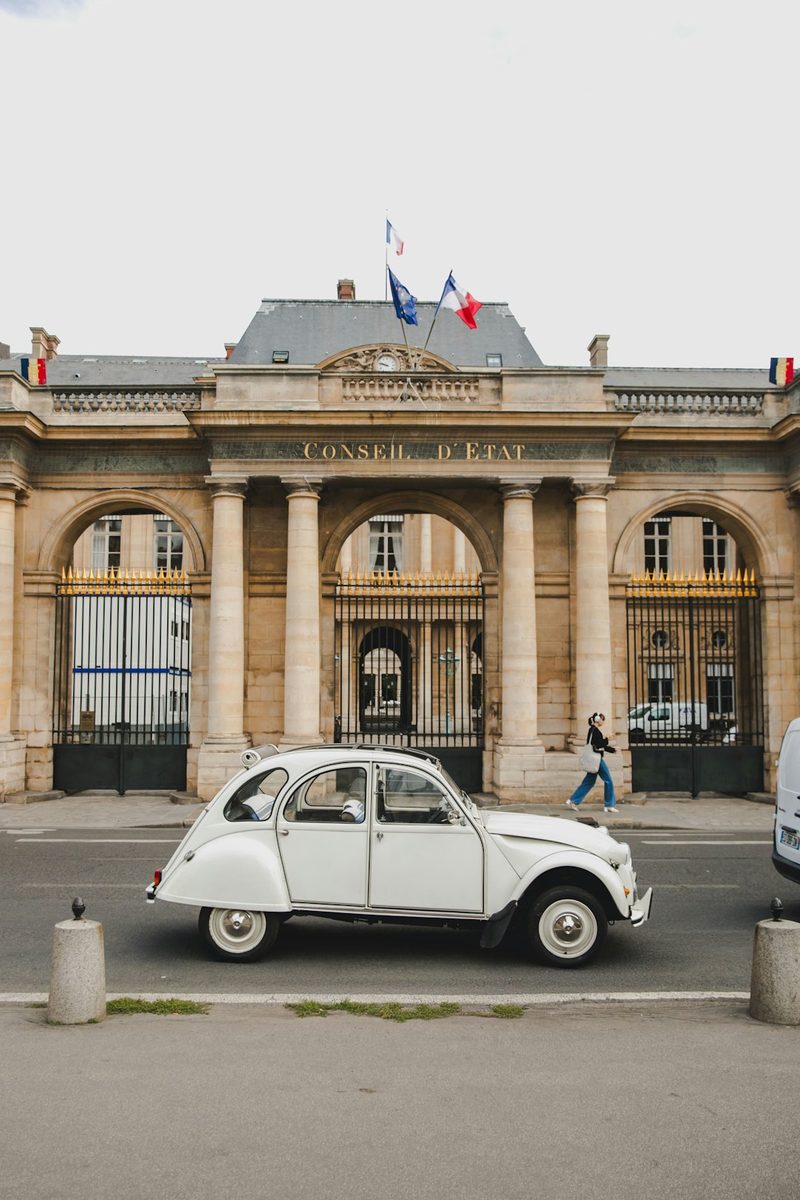
The decision reverses a December 2023 Paris court win and the opinion of the government's own FOI commission, both of which said the scans were administrative documents. By classifying the scans as legally indistinguishable from physical reproductions, the Conseil d'État put them beyond freedom-of-information law.

Why it matters

If 3D scans of public-domain art are a museum's inalienable collection, French citizens have no right to access their own cultural heritage in digital form.

Questions about this story

Free account needed to ask — your question is kept and asked for you right after sign-up. Answers are public.

No questions yet — be the first to ask.

Key Indicators

9 years
Length of the legal fight
Wenman first requested the Rodin scans in 2017; the Conseil d'État ruled in 2026.
€3,000
Costs Wenman was ordered to pay
The Conseil d'État ordered him to pay the museum after throwing out his appeal.
€1,500
Compensation awarded to Wenman
The Paris administrative court awarded this in December 2023; the museum ignored the order.
2
Rulings in Wenman's favor before reversal
The government's FOI commission, CADA, and the Paris court both sided with him.

Voices

Curated perspectives — historical figures and your fellow readers.

Ever wondered what historical figures would say about today's headlines?

Sign up to generate historical perspectives on this story.

People Involved

Organizations Involved

Timeline

2017 October 2026

6 events Latest: 3 days ago
Tap a bar to jump to that date
  1. Wenman publishes account of the fight

    Latest Statement

    Wenman's essay 'Treachery in the Rodin Museum 3D scan verdict' goes up on Substack and is widely shared.

Scenarios

1

Wenman takes case to the European Court of Human Rights

Possible Resolves by End of 2027

Discussed by: Legal observers and open-culture advocates following the case

With French avenues exhausted, Wenman could file an application with the European Court of Human Rights in Strasbourg, arguing that denial of access to publicly funded scans violates his rights. The court's case law on access to information is limited, so success is uncertain. The museum's failure to follow the lower court's order could also feature in any filing.

2

French law changes to cover 3D scans

Unlikely Resolves by End of 2028

Discussed by: Open-culture groups including Communia and Wikimédia France

The Conseil d'État decision creates a gap in French FOI law. Advocacy groups could push the legislature to amend the law to explicitly classify digitized collection records as administrative documents. A change would require a government or parliamentary initiative, which is unlikely in the near term.

3

Rodin Museum releases scans amid public pressure

Possible Resolves by End of 2027

Discussed by: Open-culture advocates who note public pressure has moved museums before

The negative attention from Wenman's essay could push the museum to voluntarily release scans, following institutions that publish open 3D data. The museum's revenue from licensed reproductions makes voluntary release less likely, but a partial release of lower-resolution files is possible.

Historical Context

2 moments from history that rhyme with this story — and how they unfolded.

February 1999

Bridgeman Art Library v. Corel (1999)

A New York federal court ruled that exact photographic copies of two-dimensional public-domain artworks lack enough originality for copyright. Judge Lewis Kaplan found the images were essentially 'slavish copies' with no creative input.

Then

The Bridgeman Art Library could not claim copyright over its reproductions of public-domain paintings in the US.

Now

US law now treats faithful reproductions of public-domain works as free; museums cannot control them by copyright.

Why this matters now

The US freed reproductions; France's Conseil d'État placed them in the museum's inalienable collection. The two countries reached opposite conclusions on the same question.

July 2009

National Portrait Gallery vs Wikipedia (2009)

Wikipedia user Derrick Coetzee uploaded high-resolution scans of public-domain paintings from the London National Portrait Gallery's website. The gallery demanded he remove them, claiming copyright in the scans.

Then

The Wikimedia Foundation stood behind Coetzee; the gallery did not sue, and the images stayed online.

Now

The episode became a reference point for museum claims over digital surrogates of public-domain works.

Why this matters now

It shows the recurring pattern where museums claim control over scans of public-domain works. The Rodin case extends that claim from images to 3D data.

Sources

(5)