
Pull to refresh
Logo
Daily Brief
Following
Why Sign Up
DOJ indicts senior Fauci adviser over alleged COVID-19 records concealment

DOJ indicts senior Fauci adviser over alleged COVID-19 records concealment

Rule Changes
By Newzino Staff |

First criminal charges against a federal official in the COVID-19 origins probe

Yesterday: DOJ unseals indictment of Morens

Overview

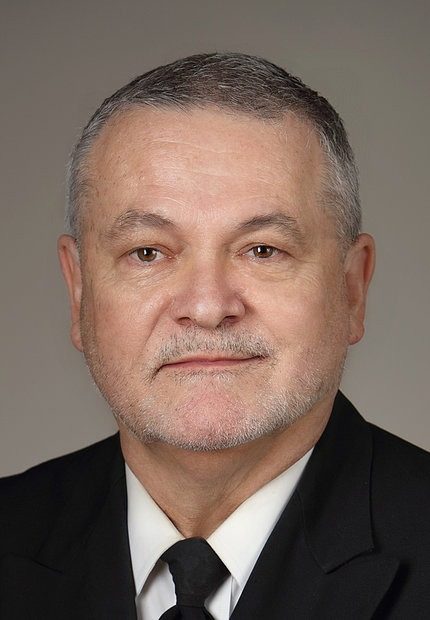
A federal grand jury indicted Dr. David Morens, the longest-serving senior adviser to Anthony Fauci at the National Institute of Allergy and Infectious Diseases, on five counts including conspiracy against the United States and destruction of federal records. Morens, 78, allegedly used a personal Gmail account to route official COVID-19 business outside the reach of the Freedom of Information Act and accepted gifts from a research collaborator whose grants he later helped restore.

Why it matters

If a senior public-health official can be jailed for routing work email through Gmail, every federal agency's records and FOIA practices are about to change.

Key Indicators

5
Federal counts
Conspiracy, falsification of records, concealment, and aiding and abetting.
20 years
Maximum per falsification count
Conspiracy carries up to five years; concealment up to three per count.
30,000
Emails turned over
Volume produced under House subpoena before the 2024 hearing.
24 years
Service as NIAID adviser
Morens advised Fauci's office from 1998 until his retirement in 2022.
5-year
EcoHealth federal debarment
HHS barred the grantee and Peter Daszak in January 2025.

Interactive

Exploring all sides of a story is often best achieved with Play.

Ever wondered what historical figures would say about today's headlines?

Sign up to generate historical perspectives on this story.

Sign Up

Debate Arena

Two rounds, two personas, one winner. You set the crossfire.

People Involved

Organizations Involved

Timeline

  1. DOJ unseals indictment of Morens

    Legal

    Charges include conspiracy against the United States, destruction of records, and concealment. Arraignment is set for May 8, 2026.

  2. Federal grand jury indicts Morens

    Legal

    A Maryland grand jury returns a five-count indictment under seal. The Justice Department announces it twelve days later.

  3. CIA shifts to lab-leak as more likely origin

    Intelligence

    The agency joins the FBI and Energy Department in publicly leaning toward a laboratory-related origin for SARS-CoV-2.

  4. HHS debars EcoHealth Alliance and Daszak

    Enforcement

    Both the organization and its former president are barred from federal funding for five years over Wuhan-related research conduct.

  5. Biden preemptively pardons Fauci

    Executive Action

    Hours before leaving office, Biden grants Fauci a pardon covering federal offenses from January 2014 through January 2025.

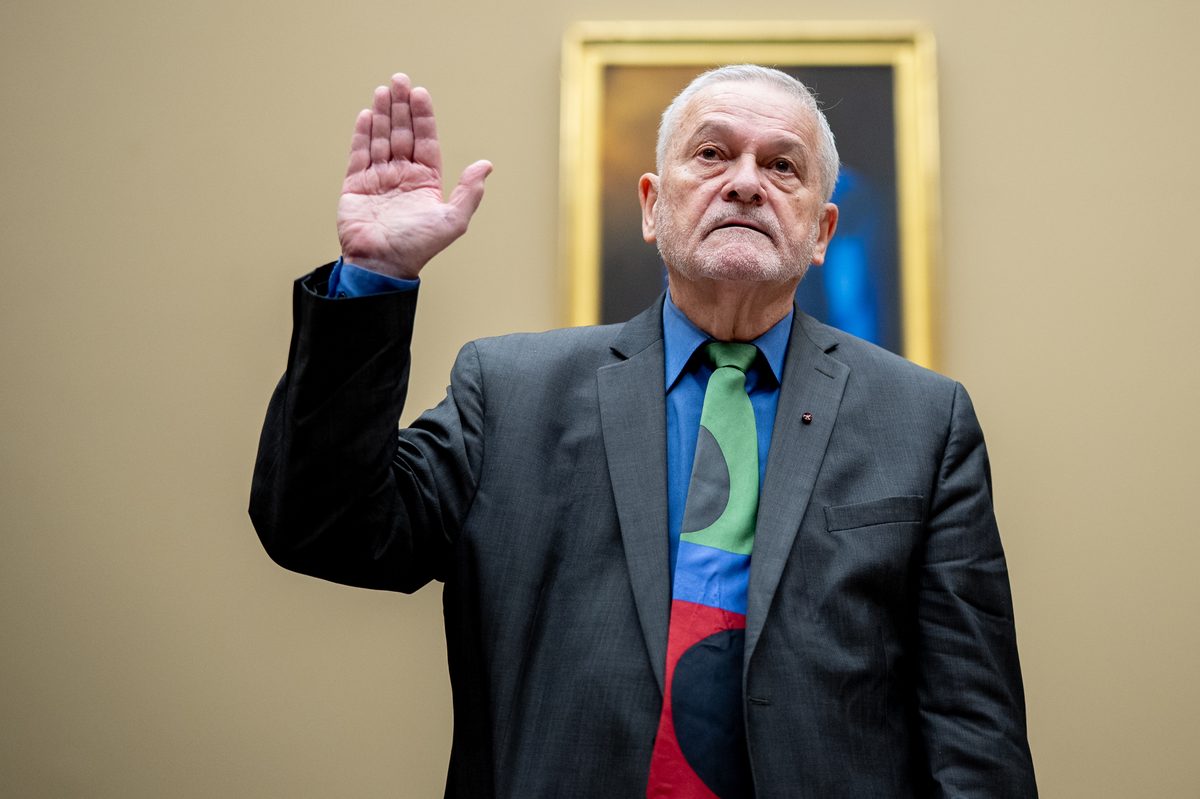
  6. Morens testifies before House select subcommittee

    Hearing

    Under subpoena, Morens defends his email practices and says he did not realize his government messages constituted federal records.

  7. FBI says lab incident is most likely COVID origin

    Intelligence

    FBI Director Christopher Wray confirms the bureau's moderate-confidence assessment that the virus emerged from a lab.

  8. Fauci retires from NIAID

    Personnel

    Fauci steps down after 38 years leading the institute. Morens has already retired earlier in the year.

  9. Morens email: 'I learned how to make e-mails disappear'

    Records

    Morens tells correspondents he can defeat FOIA searches and that his Gmail and phone calls are 'safe.' The line becomes central to the indictment.

  10. EcoHealth grant suspended under White House pressure

    Funding

    NIH cuts off the EcoHealth Alliance grant that subcontracted coronavirus research to Wuhan, igniting the records dispute that follows.

Scenarios

1

Morens pleads out, agrees to cooperate against unnamed officials

Discussed by: Former federal prosecutors quoted in The Washington Post and STAT News

A 78-year-old defendant facing decades of exposure typically negotiates. A guilty plea on a single conspiracy count, in exchange for testimony about who else used personal accounts and what they discussed, would extend the case beyond Morens. The unnamed senior NIAID official referenced in the indictment is the obvious target, though Fauci's pardon limits any criminal use of that testimony against him personally.

2

Trial yields conviction on records charges, acquittal on conspiracy

Discussed by: Defense attorneys interviewed by NOTUS and Science

Records-act prosecutions are technically simple: emails either were withheld or weren't. Conspiracy is harder, requiring proof of a shared illegal purpose rather than independently bad behavior. Morens's defense will likely concede sloppy practice while arguing he never agreed with anyone to break the law. A split verdict would shrink the sentencing exposure but still produce the first conviction tied to COVID-era federal records.

3

Case dismissed on statute-of-limitations or pardon-spillover grounds

Discussed by: Legal commentators at National Review and Washington Times

Federal records and conspiracy charges generally carry a five-year statute of limitations. Some of the alleged conduct dates to 2020 and 2021, putting parts of the case at the edge of that window. Defense lawyers may also argue that prosecuting Morens for communications with a pardoned official chills lawful conduct. Neither argument is a knockout, but either could narrow the case substantially before trial.

4

Investigation expands to additional NIH and HHS officials

Discussed by: House Oversight Committee statements; investigative reporters at U.S. Right to Know

House investigators have publicly named other officials they say used personal accounts or coordinated with Morens. If the indictment is the start of a wider sweep rather than a one-off, additional charges could follow against the so-called 'FOIA lady' Morens credited and the unnamed senior official. The Justice Department has not signaled its plans, and any expansion would test how far prosecutors will go inside the agency.

Historical Context

Iran-Contra records destruction (1986-1987)

November 1986 - March 1988

What Happened

National Security Council aide Oliver North and his secretary Fawn Hall shredded and altered documents about secret arms sales to Iran and aid to Nicaraguan rebels. Independent counsel Lawrence Walsh charged North with obstruction, falsification of records, and destroying documents.

Outcome

Short Term

North was convicted in 1989 on three counts, including destroying documents, and sentenced to a suspended prison term and community service.

Long Term

The convictions were vacated on appeal because immunized congressional testimony tainted the prosecution. The case became the modern template for how federal records cases against political appointees unravel between Congress and the courts.

Why It's Relevant Today

Like Morens, North was charged for hiding records that exposed an internal policy fight. The case shows how parallel congressional and criminal proceedings, and any pardon power exercised over related actors, can complicate the prosecution.

Hillary Clinton private email server inquiry (2015-2016)

March 2015 - November 2016

What Happened

FBI investigators examined former Secretary of State Hillary Clinton's use of a private email server for State Department business. Director James Comey concluded she had been 'extremely careless' with classified material but recommended no charges, citing a lack of intent to break the law.

Outcome

Short Term

No prosecution. The episode became central to the 2016 presidential campaign and triggered new scrutiny of executive-branch email practices.

Long Term

Federal agencies tightened internal rules on personal-account use, but enforcement remained uneven. Subsequent investigators repeatedly found senior officials still routing work through personal accounts.

Why It's Relevant Today

Sets the implicit benchmark for the Morens case. Where Clinton was not charged because investigators could not prove intent, the indictment alleges Morens explicitly described his conduct as evading FOIA, which prosecutors will argue clears the intent bar.

EPA Administrator Scott Pruitt records inquiries (2018)

April - July 2018

What Happened

Inspector general and congressional investigations examined whether EPA chief Scott Pruitt used personal email and encrypted messaging to conduct official business and conceal meetings with industry. Multiple inquiries opened; Pruitt resigned in July 2018.

Outcome

Short Term

Pruitt left office under pressure but was not criminally charged.

Long Term

The episode reinforced that resignation, not prosecution, has been the standard consequence for federal records misconduct by senior officials.

Why It's Relevant Today

Shows how rare criminal charges have been even when records misuse is documented at the top of an agency. The Morens indictment breaks that pattern and may shift expectations for what counts as a chargeable offense.

Sources

(12)